You're the Worst (2014): Two Toxic Souls Meet at a Wedding
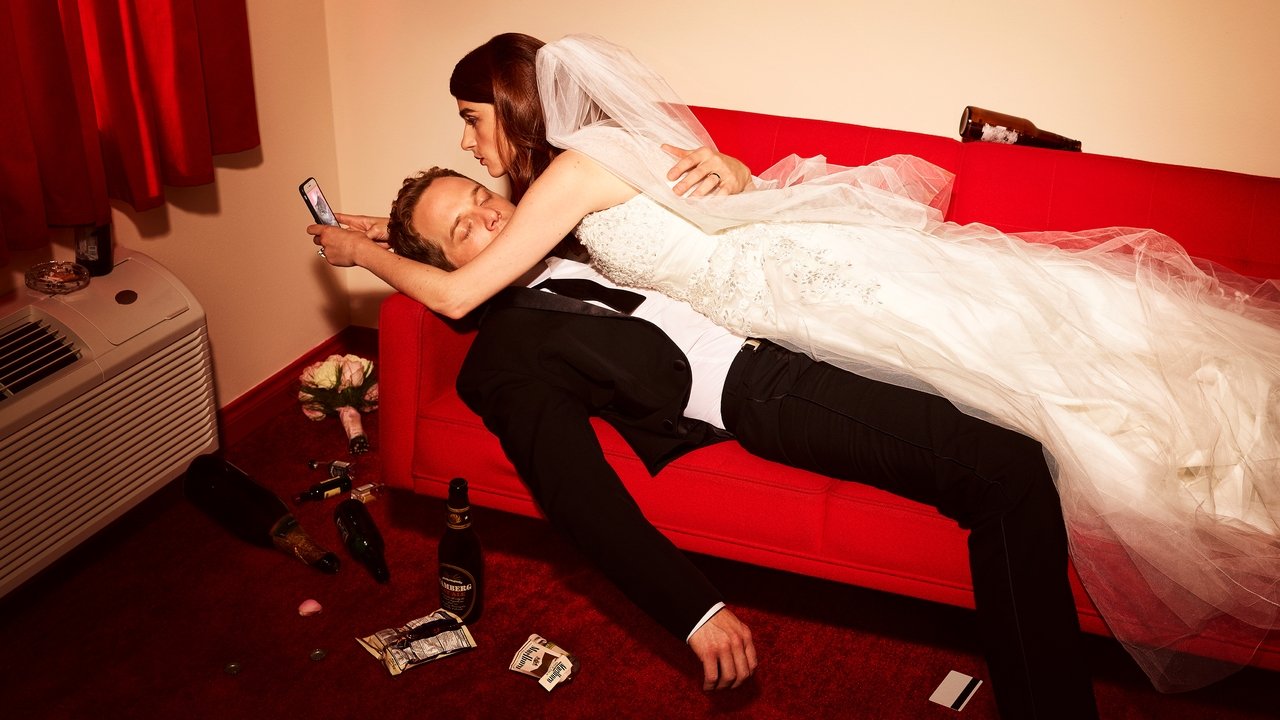
A narcissistic man and a cynical woman meet at a wedding in this dark comedy-drama about flawed relationships.
November 5, 2026
The Ending, Explained
Many viewers reach the final stretch of this comedy-drama and feel uncertain about where the protagonists land. The final act, You're the Worst ending explained, demonstrates the show's commitment to moral ambiguity rather than fairy-tale resolution. Across its run, the series refuses to punish its narcissistic novelist or his cynical counterpart, instead letting them occupy a space of sustained imperfect coupling. The tagline "Terrible people. Perfect for each other." informs every choice made in the closure. We see echoes of depression and sexual promiscuity woven into the last scenes without a sudden redemption arc.
Because the program wears its romcom influences on its sleeve while subverting them, the conclusion feels both familiar and strange. Jimmy Shive-Overly, played by Chris Geere, remains brash and self-destructive. Gretchen Cutler, brought to life by Aya Cash, stays stubborn and people-pleasing even as she acknowledges her own damage. Their dynamic as housemates survives the pressures that destroy typical television pairs. The supporting players, including Desmin Borges and Kether Donohue, mirror fragmented modern friendships.
What Happens
The concluding happenings, You're the Worst ending events, avoid tidy romantic comedy closure. Instead of a formal union or a clean breakup, the narrative lingers on complicated relationships that persist through infidelity and mental health struggles. Gretchen's promiscuous history and Jimmy's ego create friction that never fully dissipates. Yet the writing treats these tensions as ordinary texture rather than shock twists. The viewer watches two flawed humans continue to coexist, sometimes cruelly, sometimes tenderly.
Featuring Chris Geere and Aya Cash, the show finds kin in Girls, another comedy-drama about difficult twentysomethings. Both programs reject sanitised portrayals of intimacy. Where one centres on New York artists, our subject plants itself in Los Angeles with a narcissistic novelist and a promiscuous woman. The rating of 7.4 from 271 votes suggests a cult appreciation rather than mainstream dominance, which fits its acidic tone.
As the episode count grows, the housemates theme deepens. Shared living space becomes a metaphor for unwilling emotional dependency. Sexual promiscuity is shown not as a punchline but as a coping mechanism. The absence of a neat ending is itself a statement: romance does not cure depression, and cynicism does not preclude attachment.
The Meaning Behind the Ending
The last sequence, You're the Worst ending meaning, is about choosing connection despite flaws. The show posits that relationships aren't for everyone in the traditional sense, yet they can exist as messy, ongoing negotiations. Gretchen's belief that partnerships aren't for her gets gently contradicted not by transformation but by endurance. Jimmy's conviction that all relationships are doomed is answered by a tentative stay. The final act honours the tagline by letting terrible people remain perfectly mismatched yet aligned.
Those who like antidepressant humor should try Please Like Me, a similarly candid take on mental health. That series, like this one, understands that laughter and despair share a roof. In our featured program, the meaning behind the closure is that love might simply be repeated failure with occasional warmth. Themes of infidelity are not resolved with forgiveness speeches; they linger as scars.
We can read the conclusion as a comment on modern romance where labels like boyfriend and girlfriend feel insufficient. The characters function as complicated relationships personified. Their status as housemates rather than spouses underscores a generation's reluctance to perform happiness for others.
Themes You Might Have Missed
The narrative wrap-up, You're the Worst story explained, leaves the pair as housemates rather than a fixed couple. This deliberate ambiguity hides a wealth of subtext. Depression appears not as a dampening force but as a constant static hum in Gretchen's life. The promiscuous woman trope gets rewritten: she is not punished for desire, nor is she celebrated. She is simply present. Jimmy's novelist career offers a mirror to his self-absorption, his fiction feeding his ego.
Romcom conventions are both invoked and mocked. The grand gesture is replaced by a quiet decision to stay. Sexual promiscuity on his side and hers creates a parity often missing from the genre. Complicated relationships become the only honest ones. Even the supporting cast, with Desmin Borges and Kether Donohue, illustrate friendships built on necessity and irritation.
For a darker spin on broken partnerships, Dead to Me delivers vengeance and grief with comedy. Watching that show after this one highlights how differently two comedies can treat betrayal. Our subject uses betrayal as background noise; the other uses it as engine. Both, however, respect the audience's intelligence about emotional mess.
You're the Worst: The Bottom Line
This article, You're the Worst explained, shows why the series stands apart. It earns its 7.4 rating through willingness to be unpleasant. The cast commits fully: Chris Geere renders arrogance lovable, Aya Cash makes cynicism vulnerable. Themes of depression and infidelity are handled without moralising. While the runtime per episode is typical for a cable comedy-drama, the emotional runtime feels longer.
Viewers tired of spotless happy endings will find solace in its roughness. The show's overview reveals a television work that trusts viewers to sit with discomfort. Its tagline is not a joke but a thesis. Terrible people can be perfect for each other when the alternative is lonely perfection.
You're the Worst Overview
Spanning comedy and drama, the program introduces a narcissistic novelist and a stubborn, promiscuous woman who navigate life as housemates. The main cast includes Chris Geere, Aya Cash, Desmin Borges, and Kether Donohue. With a tagline "Terrible people. Perfect for each other.", it explores depression, infidelity, romcom tropes, and complicated relationships. The rating sits at 7.4 across 271 votes, indicating a appreciated niche favorite.
While many shows promise growth, this one offers presence. The final act does not redeem its leads; it simply lets them remain. That choice is the essence of the series. Whether you arrive for the humor or the heartache, you leave with a clearer picture of romance as a messy, ongoing practice rather than a destination.