You Hee-yeol's Sketchbook (2009): A Talk and Live Music Program
You Hee-yeol's Sketchbook (2009) is a Korean talk and live music program hosted by You Hee-yeol, also known as Toy, airing since April 2009.
October 18, 2026
The Ending, Explained
Many viewers stumble upon the long-running Korean broadcast and immediately ask how a program built on conversation and performance actually concludes. Our detailed look at You Hee-yeol's Sketchbook ending explained shows that the closure of each episode is not a narrative twist but a musical statement. The host, You Hee-yeol, who is also known as Toy, guides the audience from interview segments into a live music show atmosphere. Because the series is described as both a talk show and a live music show, the final portion serves as a concert-like reward for those who stayed through the dialogue. This structure has been present since the program first aired on April 24, 2009. The simplicity of the format is its strength: no fabricated drama, just a musician sharing space with guests.
The title itself hints at a personal collection of moments rather than a scripted arc. As a one-man project band, the host brings a composer’s sensibility to the late-night show rhythm. When we say the ending is explained, we mean that the program consistently resolves its conversations with melody. That approach separates it from typical television where credits roll after a joke. Here, the credit is the song.
What Happens
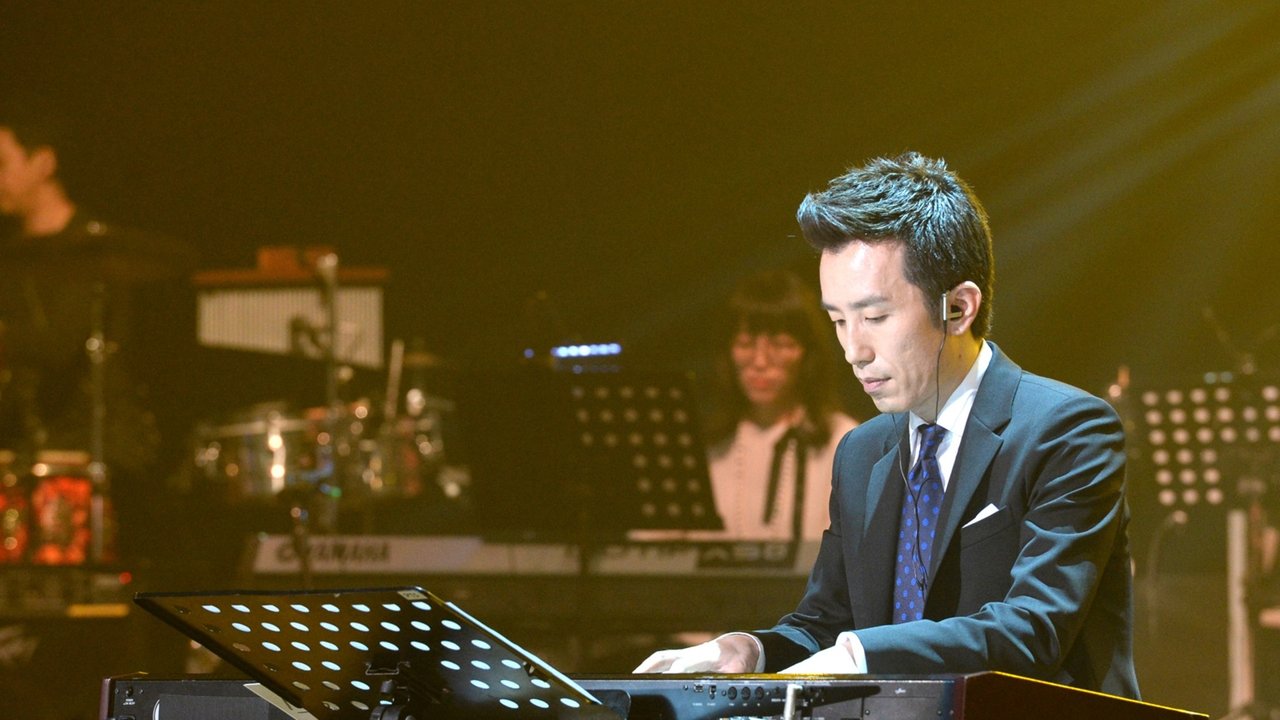
If you have never seen the broadcast, you might wonder what happens at the end of You Hee-yeol's Sketchbook. The answer is straightforward yet satisfying. After the talk portions where the host chats with fellow musicians or celebrities, the stage transforms into a live music venue. You Hee-yeol, operating as a one-man project band called Toy, often participates in the performances. The show's identity as a music show becomes fullest in this segment. Guests who appeared earlier may return to sing, or the host may deliver a solo piece. This pattern mirrors the experience of attending a small concert or music festival without leaving your couch. The late-night show timing further enhances the intimate feeling of a final act that belongs to the music rather than to scripted television.
Throughout the episode, the talk show element builds context. The host’s questions reveal the guest’s creative process, making the subsequent live music more meaningful. By the time the final notes play, the viewer has witnessed a miniature concert crafted from earlier dialogue. That is the practical mechanics of the program’s closing movement.
The Meaning Behind the Ending
Some audiences search for deeper symbolism in closing segments of television programs. When we examine the structure, viewers find deep significance in the You Hee-yeol's Sketchbook ending meaning. The decision to prioritize live music at the close reflects a respect for artistry over sensationalism. You Hee-yeol's background as a musician informs every choice; he is not merely a presenter but a creator. By ending with song, the program communicates that conversation is a prelude to expression. The rating of 6.3 out of 10 from a small voting pool suggests the show appeals to a niche crowd that values authenticity. In a landscape saturated with competitive reality formats, this gentle finale is a quiet rebellion led by a talk show host who happens to be a gifted composer.
We can interpret the finale as a music festival compressed into minutes. The communal energy of a concert is distilled for home audiences. Rather than exploit conflict, the show uses its closing to unite people through sound. That is a meaningful statement in any era of television.
Themes You Might Have Missed
A casual viewer might classify the series as just another talk show, but a closer inspection reveals layered motifs. A broader view of You Hee-yeol's Sketchbook explained helps audiences understand its blend of interview and concert. The recurring theme of musician as host blurs the line between presenter and performer. Throughout the episodes, the concept of a music festival is evoked through spontaneous jam sessions. Live music is not a side feature but the core ingredient. K-pop culture gets representation not through chart talk but through genuine acoustic moments. The late-night show framework gives the production a relaxed tempo similar to international counterparts. Additionally, listeners will enjoy the You Hee-yeol's Sketchbook songs that span genres from k-pop to indie, offering a survey of Korean sound that a standard music show might ignore. We can list the prominent thematic threads:
- The musician as conversationalist rather than celebrity.
- The concert as a closing ritual.
- The music festival spirit within a studio setting.
- Live music as emotional resolution.
- K-pop woven into intimate performance.
These elements combine to create a texture that rewards patient watching. The host’s project band identity means every episode carries a handwritten quality, as if the broadcast were a sketch in sound. Another subtle thread is the absence of a traditional studio audience laugh track; the silence between songs becomes part of the arrangement. This restraint is rare for a program tagged as a music show, yet it reinforces the intimate bond between host and viewer.
Our Take on You Hee-yeol's Sketchbook
We appreciate how the program resists the temptation to overproduce. The host’s dual role as Toy and You Hee-yeol gives the live music show a personal stamp. Fans of international late-night formats might also enjoy The Tonight Show Starring Jimmy Fallon, which shares the variety approach of mixing chat with performance. Those who prefer European talk programs could explore Divendres for a different cultural flavor of conversational television. Viewers who enjoy post-show discussion should try Talking Dead as a complementary watch. Our editorial stance is that the series succeeds because it trusts the audience to enjoy silence between notes. The 6.3 rating indicates a modest but dedicated following, and that is perfectly fine for a program built on sincerity rather than spectacle.
In a streaming landscape where endless options compete for attention, a talk show that simply lets a musician be a musician stands out. The live music show format is honored without flashy gimmicks. We would recommend it to anyone curious about k-pop beyond the mainstream machine, or to those who enjoy a late-night show that winds down with a song rather than a punchline.
You Hee-yeol's Sketchbook Recap
To sum up, the broadcast that began on April 24, 2009 remains a singular hybrid of talk show and live music show. The host, a one-man project band known as Toy, invites viewers into a space where conversation and song coexist. We have walked through the closing structure, the significance of its musical finale, and the subtle themes that elevate it beyond a simple music show. The integration of k-pop, concert energy, and late-night show calm makes it a quiet treasure. While numbers like 6.3 out of 10 from nine votes may seem small, they reflect a niche that values the real over the manufactured. If you seek a program where the final act is a gift of sound, this sketchbook is worth opening.
Whether you approach it as a concert archive or a talk show relic, the program delivers a consistent message: music is the ultimate language. The host’s longevity since 2009 proves that a quiet format can endure. We hope this breakdown clarified the ending without spoiling the gentle discoveries that await in earlier segments.