Yellow Woodpecker Ranch (2001): Imagination Without Limits
At Yellow Woodpecker Ranch (2001), Emília and friends embark on imaginative adventures through fantastic worlds where anything can happen.
October 24, 2026
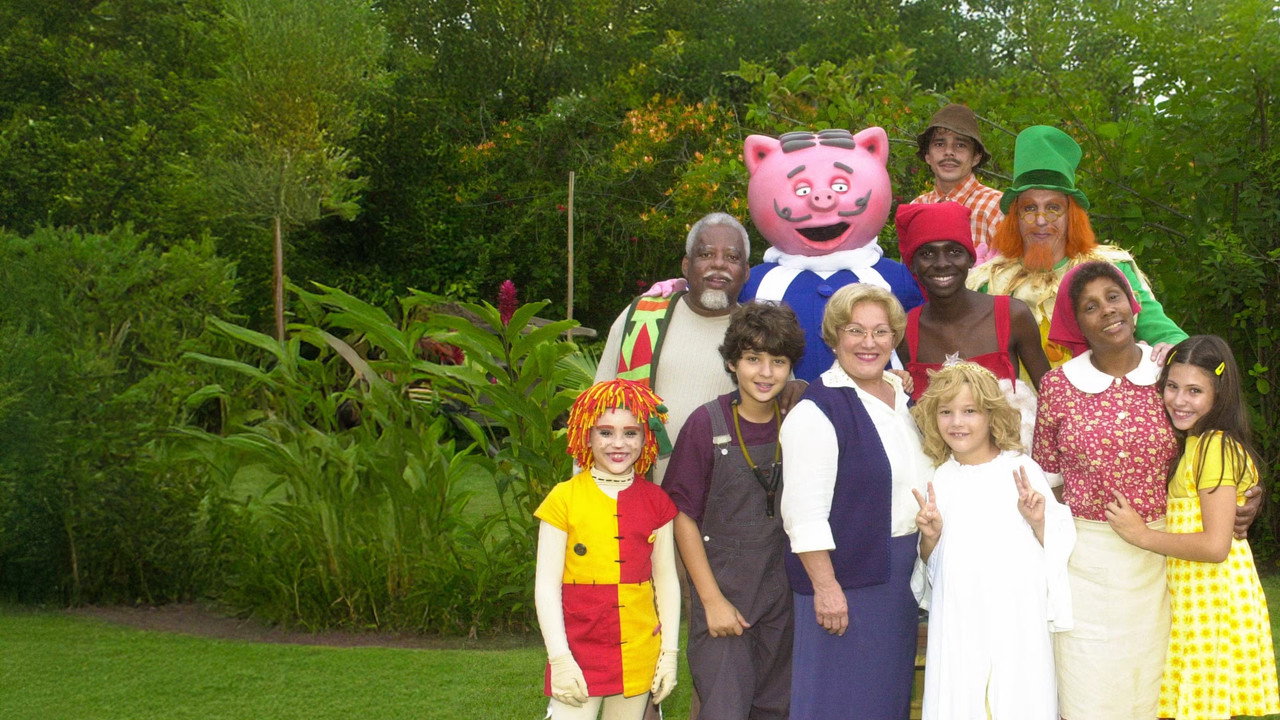
The Ending, Explained
The 2001 production directed by Carlos Magalhães brings a colorful slice of Brazilian storytelling to the screen. Set on a rural farm where imagination knows no bounds, the series follows Emília, Pedrinho, Narizinho, and Visconde as they wander through fantastic worlds. Our Yellow Woodpecker Ranch ending explained guide focuses only on the final act, so readers who haven’t seen the early episodes can keep exploring without fear of spoilers.
At its core, the show is a gentle blend of action, comedy, drama, family warmth, kids’ curiosity, and sci-fi fantasy elements. The farm itself acts as a doorway to myths and fairy tales, drawing from Greek mythology and local Brazilian folklore. While the first chapters establish the playful tone, the closing segment shifts toward a brighter celebration of creativity and mutual trust.
Viewers often wonder how a story built on such simple rural life can expand into epic quests. The answer lies in the characters’ willingness to let magic reshape their everyday surroundings. By the time the last scenes arrive, the boundary between the pasture and the fantasy world has all but dissolved, leaving a unified landscape of wonder.
Before we walk through the finale, it helps to remember the ensemble cast. Bete Mendes, Rosa Marya Colin, Rachel de Queiroz, Vitor Mayer, Tatyane Goulart, Kiko Mascarenhas, Gésio Amadeu, and Ricardo Tostes each lend warmth to the household and its visitors. Their performances keep the tone inviting for kids while still offering layers for older viewers who recognize the literary roots.
What Happens
In the concluding portion, the group faces the fullest expression of their imaginary powers. A what happens at the end of Yellow Woodpecker Ranch breakdown would note that the friends step beyond the familiar fields into a culmination of the stories they have heard. Rather than introducing new conflicts, the final act pays off the established themes of magic and folklore.
The children and their companions gather the lessons from earlier fairy-tale echoes and Greek mythological hints. They use kindness and curiosity to navigate a closing sequence where the farm connects directly to a shimmering fantasy realm. Nothing in this resolution destroys the rural setting; instead, it shows that the ordinary and the extraordinary can share the same soil and the same sky.
Without revealing the opening mysteries, we can say that the last moments emphasize reunion and understanding. The characters acknowledge that the adventures were always part of their own backyard. This gentle closure leaves the audience with a sense of peace rather than a twist, reinforcing the show’s family-friendly identity.
Fans of complementary animations may enjoy The Adventures of Jimmy Neutron: Boy Genius, a show that also turns childhood invention into sprawling escapades across imagined landscapes.
The Meaning Behind the Ending
The Yellow Woodpecker Ranch ending meaning essay below highlights how the finale functions as a love letter to storytelling. The farm is not just a location; it represents a rural area where Brazilian folklore and global fairy tales meet. When the characters embrace the fantasy world, they affirm that imagination is a basic part of growing up and learning about one’s heritage.
By rooting the climax in familiar surroundings, the director avoids a stark departure from the show’s humble beginnings. The ending suggests that magic does not require a distant castle or a far-off planet. A simple wooden fence can border a place where Greek gods and local legends walk side by side under the same stars.
This choice also reinforces the source material’s literary heritage. Because the work is based on a novel or book, the closing visuals mirror the reflective tone of written fables. The audience is invited to close the book with a smile, knowing the characters will keep dreaming long after the screen fades.
Themes You Might Have Missed
Several quiet motifs run through the series and surface in the final act. A Yellow Woodpecker Ranch explained companion piece would point out the following threads that tie the narrative together:
- Based on novel or book – the narrative carries a literary structure, with chapters of wonder rather than abrupt jumps.
- Greek mythology – subtle nods to ancient tales appear in names, trials, and symbolic objects.
- Magic – every field hides a spell waiting for a curious mind to notice it.
- Fairy tale and fairytale – classic story beats shape the friends’ journeys and their moral choices.
- Farm and rural area – the countryside is both home and portal to elsewhere.
- Fantasy world – imagination builds a realm adjacent to reality, visited through play.
- Folklore and brazilian folklore – local legends give the story its unique flavor and grounding.
These elements intertwine so naturally that younger viewers may absorb them without noticing. The final episode stitches them together, showing that a single pasture can hold countless traditions from different continents and eras.
If you want a different flavor of underground quests, Slugterra provides a contrasting adventure with its own mythical creatures and team-based conflicts.
Yellow Woodpecker Ranch: Our Final Verdict
The series earns its 7.4 out of 10 rating from a small but dedicated group of sixteen voters. That score reflects a charming, family-friendly experience rather than a blockbuster spectacle. Parents looking for wholesome content will appreciate the mix of comedy, drama, and sci-fi fantasy that never loses its gentle center.
Because the runtime is not listed, we treat each installment as a self-contained visit to the farm. The cast’s chemistry and the director’s soft visual style make the brief trips worthwhile. While it may not dominate global charts, the show holds a special place for those who value folkloric children’s programming and literary adaptation.
For viewers who enjoy royal magical tones after this, Rapunzel's Tangled Adventure extends a similar celebration of brave young hearts in a fantastical setting with musical flair.
Yellow Woodpecker Ranch Summary
To recap, the Yellow Woodpecker Ranch adventures collection invites audiences into a world where Emília, Pedrinho, Narizinho, and Visconde turn a simple farm into a stage for myths. The final act, as we described, honors the power of imagination without undoing the serene rural life established earlier.
We have walked through the closing scenes, examined their meaning, and highlighted the overlooked themes that enrich the text. The production remains a heartfelt adaptation of book-based storytelling, weaving Greek mythology and Brazilian folklore into a child’s playground that welcomes every generation.
Whether you are a first-time viewer or revisiting the pasture after many years, the ending offers a calm reaffirmation that fantasy and farmland can coexist. Stream it with family, and let the woodpecker’s rhythm guide you through a tender, magical finale that lingers like a favorite bedtime story.