WWF Superstars (1986): Inside WWE's Early-90s Flagship Show
WWF Superstars was WWE's early-90s flagship show of in-ring action and wrestling news.
October 27, 2026
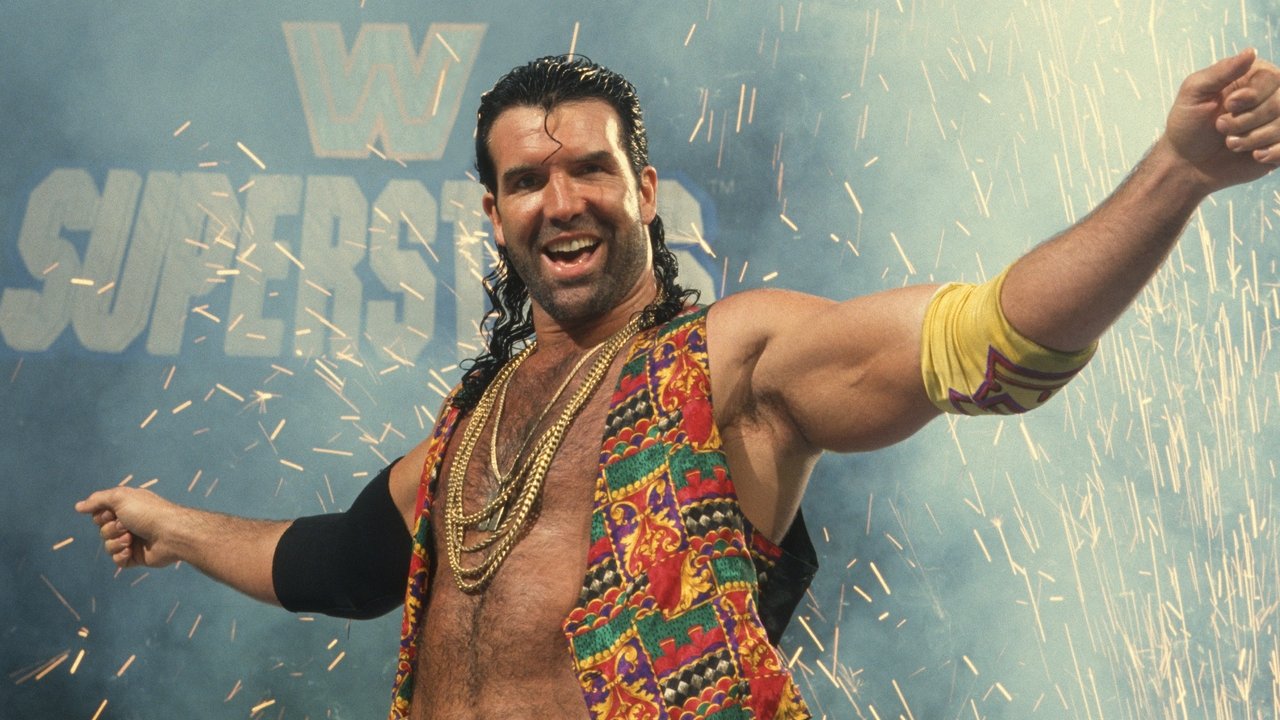
The Ending, Explained
When people search for WWF Superstars explained, they are usually looking for a way to make sense of how a weekly wrestling program actually closes out its format. This was not a scripted drama with a final scene, but a sports-entertainment broadcast built around matches, backstage updates, and personality segments. The WWF Superstars show summary is best understood as a recurring loop rather than a one-time story with a conclusion.
Because the series was WWE's flagship show of the early 90s, the "ending" of any given episode functions as a setup for the next broadcast. The WWF Superstars ending meaning comes from the fact that nothing is truly resolved; the rivalries continue, the champions remain in place until defeated, and the news teases future events.
What Happens
To talk about what happens at the end of WWF Superstars, it helps to remember that each installment blends in-ring competition with hosted segments. Vince McMahon guided viewers through updates from the world of sports-entertainment, while competitors such as Hulk Hogan, Bret Hart, Michael Hickenbottom, and Jim Hellwig appeared in matches or related footage. The closing portion typically reinforced ongoing storylines rather than finishing them.
A wrestling match shown near the end was less a finale and more a sample of the larger professional wrestling calendar. The episode signed off by pointing toward upcoming broadcasts and unchecked feuds. That structure is why WWF Superstars ending explained articles often focus on format instead of plot.
Viewers who enjoy this style of presentation may also want to browse All Elite Wrestling: Dynamite, which carries a similar mix of athletic performance and serialized framing.
The Meaning Behind the Ending
The WWF Superstars ending meaning is tied to the nature of weekly sports entertainment. A single show is a chapter, not a closed book. By ending with unresolved angles and fresh headlines, the program kept audiences returning. The final act of an episode was meaningful because it preserved momentum.
This approach also shows how professional wrestling differs from traditional television. Themes of competition and showmanship mattered more than resolution. When fans ask for WWF Superstars explained, the honest answer is that the ending exists to continue the conversation rather than end it.
If you want more background on the people involved, WWE Superstar Profiles is a useful companion piece for understanding the cast beyond a single broadcast.
Themes You Might Have Missed
Several ideas run through the series without being stated aloud. The first is the blend of athletic contest and theatrical presentation that defines sports entertainment. Wrestling is treated as both a sport and a narrative device. Another theme is continuity: events from one week inform the next.
The presence of figures like Hulk Hogan and Bret Hart highlights the importance of identity within professional wrestling. Each performer represented a style and a promise to the audience. Jim Hellwig and Michael Hickenbottom added to that range of personas. These threads are easy to miss if you only watch a single match.
The news elements also quietly underline how wrestling connects to a wider world of sports-entertainment, where results, injuries, and alliances are reported like real league coverage. That framing is part of why the show felt like a flagship rather than a side program.
Our Rating for WWF Superstars
Based on available scoring, WWF Superstars holds a 7.2 out of 10 from nine votes. That number reflects a small but positive response from viewers who rated the series. Given its role as a weekly wrestling broadcast with in-ring action and sports-entertainment news, the rating suggests it delivered what its audience expected.
We would note that the score comes from limited votes, so it is a modest indicator rather than a broad consensus. Still, for fans of wrestling match footage and personality-driven segments, the show remains a clear example of early 90s WWE television.
WWF Superstars At a Glance
Here is a quick breakdown for readers new to the program:
- Title: WWF Superstars (1986)
- Genres: Action & Adventure
- Rating: 7.2/10 from 9 votes
- Key cast: Bret Hart, Michael Hickenbottom, Vince McMahon, Hulk Hogan, Jim Hellwig
- Format: Weekly sports-entertainment show with matches and news
The WWF Superstars show summary can be stated simply: it was WWE's flagship show of the early 90s featuring great in-ring action, news from the world of sports-entertainment, and more. That description captures both the content and the intent.
For those who want to compare wrestling broadcasts from different promotions, TNA iMPACT! offers another long-running example of the format with its own style and roster.
Understanding what happens at the end of WWF Superstars requires accepting that the "end" is a hinge. Each episode closes by opening the next chapter. The WWF Superstars ending explained through this lens is less about a final beat and more about the engine that kept weekly wrestling on television.
Whether you approach the series for the wrestling match highlights or the sports entertainment atmosphere, the takeaway is consistent. The program used its closing moments to extend stories rather than conclude them, and that choice is the core of its design.