WWE Heat (1998): Attitude Era Exclusive Matchups
WWE Heat (1998) showcases Attitude Era superstars like Stone Cold Steve Austin and The Rock in exclusive matches.
October 26, 2026
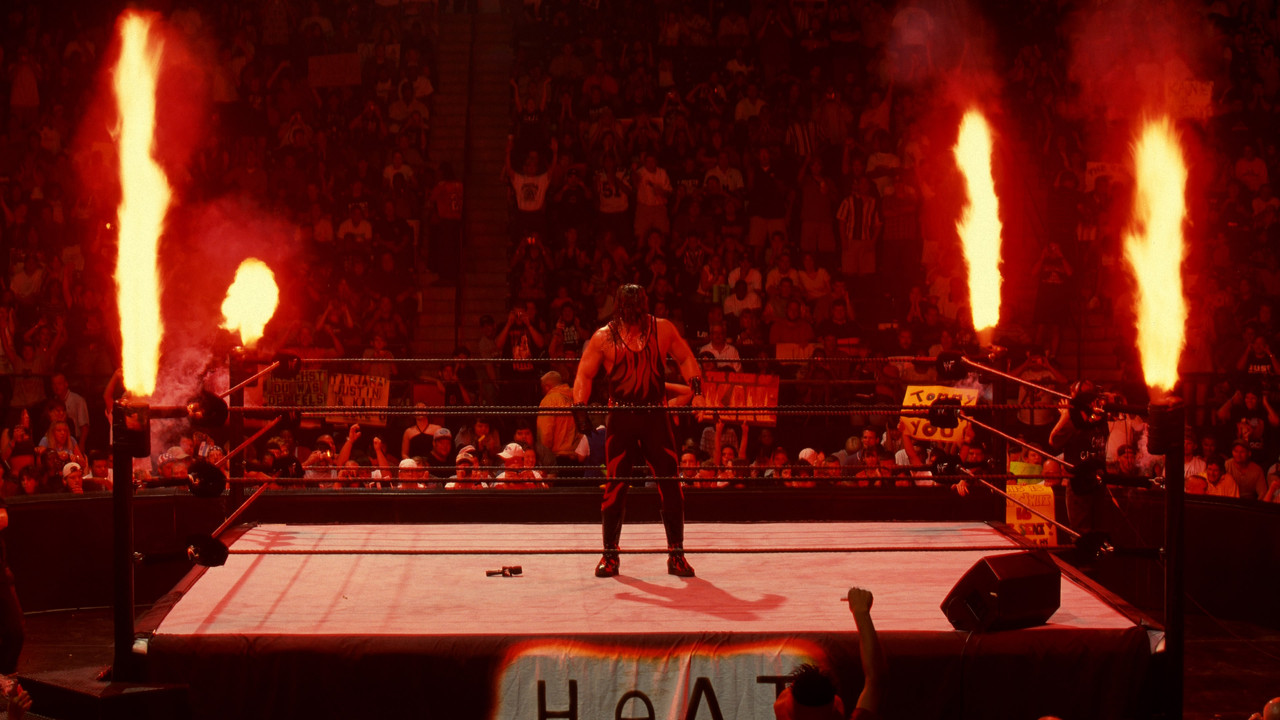
The Ending, Explained
When viewers reach the close of WWE Heat 1998, they are greeted by the full realization of the program’s core promise. The series, built around the electric energy of the Attitude Era, saves its most direct presentation of sports entertainment for the final stretch. Without walking through the opening moments, it is fair to say that the concluding portion puts the advertised exclusive matches front and center, with names like "Stone Cold" Steve Austin and The Rock occupying the spotlight. The ending is less a twist to be unraveled and more a fulfillment of the show’s identity as a wrestling and action driven showcase that blends the categorized genres of Action & Adventure and Drama.
Because the format leans on sports entertainment rather than a traditional narrative arc, the final act does not require a detective’s lens. Instead, the breakdown centers on how the exclusive matches encapsulate the blend of physical spectacle and scripted tension that defines the genre tags. The significance lies in the staging: the camera work, the crowd reaction, and the presence of marquee talent combine to close the loop on what the broadcast set out to deliver. We can appreciate the ending as a self-contained celebration of the wrestling match as a theatrical event.
The first act remains intentionally outside this discussion, but knowing that the program culminates with these elements helps clarify why the ending feels earned. It is the natural destination for a show that advertises heat from a specific period in sports entertainment history.
What Happens
The events that unfold across the program are straightforward in their intention. According to the premise, the Attitude Era heat is felt as WWE Superstars such as "Stone Cold" Steve Austin and The Rock compete in exclusive matches. The middle portion of the show builds the atmosphere, but the latter stage is where those matches become the sole focus. No elaborate subplot distracts from the ring action, and the wrestling match keyword fits perfectly here as the central activity.
For those tracking the progression, the show avoids convoluting its runtime with side stories. The exclusive matches serve as both the vehicle and the destination. While we refrain from detailing the first act, it is clear that the later sequences are designed to pay off the expectation of seeing top talent perform in a setting reserved for this broadcast. The action adventure framing becomes visible through the physicality, while the drama emerges from the personas involved.
Observing the structure, one notes that the program does not rely on complex chronology. It presents its content in a manner that allows the exclusive matches to stand as the definitive statement of the episode or broadcast.
The Meaning Behind the Ending
Understanding the closing segment means recognizing what the Attitude Era represented within sports entertainment. The final matches are not just athletic contests; they are scripted drama wrapped in the spectacle of competition. The presence of "Stone Cold" Steve Austin and The Rock signals a deliberate choice to anchor the conclusion with identifiers of the period’s appeal, reinforcing the bond between performer and audience.
The meaning behind the ending is therefore about validation. By reserving exclusive matches for the tail end, the program confirms its own implied promise: feel the heat. The rating of 5.3 from nine votes suggests a modest reception, yet the structural choice to culminate with marquee wrestlers speaks to a targeted approach rather than a broad narrative experiment. This ending tells the viewer that the journey was always heading toward the ring.
In a broader sense, the final act communicates that sports entertainment is a form where the conclusion is a reward for attention. The drama category is not about tragedy but about heightened emotion surrounding the match outcome.
Themes You Might Have Missed
Beneath the obvious layer of wrestling, a few thematic threads run through the show. The first is the theme of sports entertainment as a hybrid art form, merging the physicality of Action & Adventure with the emotional beats of Drama. Another is the notion of exclusivity; the matches are not repeats from other broadcasts, which quietly comments on value and access in television wrestling.
Viewers might also note the thematic weight of legacy. By featuring "Stone Cold" Steve Austin and The Rock, the program touches on the idea of larger-than-life personas that define an era. These are not deep philosophical musings, but they enrich the viewing for those who look past the immediate ring action. The theme of transformation from athlete to character is present in the presentation style.
Additionally, the theme of time and place resonates. The 1998 setting, implied by the title, situates the content in a specific cultural moment, making the exclusive matches a documented snapshot of that year’s entertainment rhythm.
Our Take on WWE Heat
Any honest WWE Heat review must start from the available facts: the show is a 1998 product categorized under Action & Adventure and Drama, centered on exclusive matches from the Attitude Era. With a rating of 5.3 over nine votes, it occupies a niche rather than a mainstream pinnacle. Our perspective is that the ending delivers exactly what the concept advertises, making it a time capsule for fans of that wrestling period. The breakdown above shows that the final act needs no spoiler because it is inherent to the format.
For audiences seeking complementary programming, we suggest checking out WWE Raw Classics, which extends a similar vein of ring entertainment. Those who appreciate structured episodic drama might also explore Hill Street Blues for a different but equally period-defined experience. Additionally, The Sweeney provides a gritty alternative from the mid-1970s that shares the era-specific branding spirit.
We conclude this section by noting that the absence of a director credit does not diminish its role as a thematic artifact. It remains a referenced point for discussions of late-1990s sports entertainment.
WWE Heat in Short
To sum up, WWE Heat 1998 is a concise broadcast artifact that hangs its closing on exclusive matches featuring premier Attitude Era talent. The final act explains itself through delivery rather than revelation. Themes of sports entertainment and wrestling as drama persist throughout, and the show’s modest rating reflects its specialized appeal. It remains a watchable snippet for those curious about the late-1990s wrestling television landscape, and the ending serves as a fitting capstone to the advertised heat.