Wild Horse Nine (2026): Loyalty and Betrayal on Easter Island
A CIA thriller-comedy set on Easter Island in 1973, Wild Horse Nine explores loyalty and betrayal as two agents' friendship unravels.
November 12, 2026
The Ending, Explained
Martin McDonagh's 2026 thriller-comedy Wild Horse Nine takes a premise that shouldn't work — CIA agents babysitting a diplomatic mission on a remote island — and turns it into a meditation on loyalty, betrayal, and the cost of friendship. The ending, explained properly, is less about a twist than about what happens when two longtime partners finally stop pretending they trust each other. That said, audiences searching for Wild Horse Nine ending explained content are usually chasing one specific question: does Chris (Sam Rockwell) make it off Easter Island, and if so, at what price?
Let's break it down carefully. Spoilers ahead, obviously.
What Happens
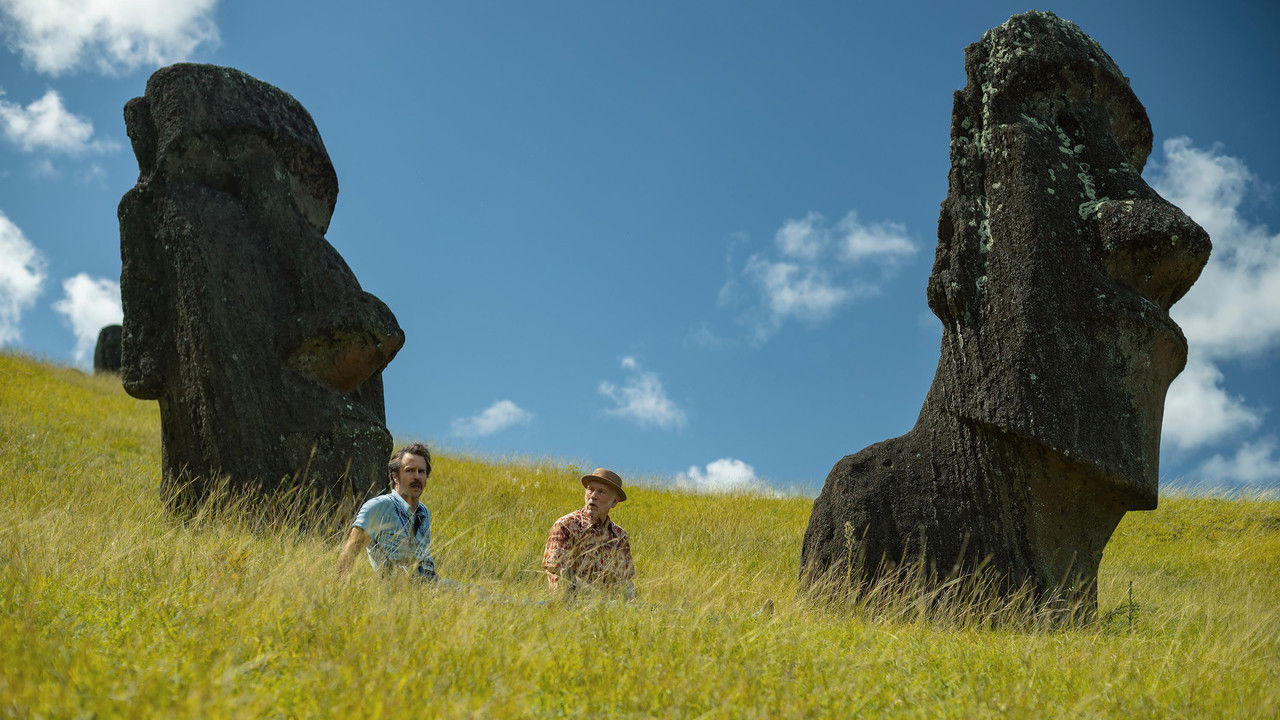
Set shortly before the 1973 coup in Chile, the film sends agents Chris and Lee (John Malkovich) from Santiago to Easter Island at the order of bureau chief MJ (Steve Buscemi). The island's statues loom over them like silent judges, and the mission is ostensibly routine. But the two men have baggage — years of assignments that curdled into resentment, a shared history of lies that neither has fully reckoned with. Meanwhile, Chris forms an accidental bond with two rebellious students, and that connection threatens to spill the whole operation sideways.
By the final act, the triangle between Chris's loyalty to Lee, his duty to MJ, and his growing sympathy for the students collapses. What plays out is an argument in an exotic, isolated place where escape is nearly impossible — which is exactly the pressure cooker McDonagh loves. Audiences scanning for what happens at the end of Wild Horse Nine will find that the resolution hinges on a single decision Chris makes in the shadow of the statues, one that reads as both a betrayal and an act of mercy stitched together.
If you're the type who enjoys tense crime stories with a philosophical edge, pair this with Two Hands, which also mixes dark comedy with genuinely high stakes.
The Meaning Behind the Ending
Understanding the Wild Horse Nine ending meaning requires sitting with the title itself. A wild horse is free but ungovernable; nine of them suggests a loose collective, something that moves together without ever truly being tamed. Chris's final choice mirrors that image: he refuses to be fully controlled, but he also doesn't fully break free. The film doesn't offer a clean moral victory — it offers a messy, human one.
The tagline — "Sometimes you've got to do a terrible thing for the greater good" — lands hardest in the last few minutes. The movie wryly suggests that the language of "greater good" has been used to justify atrocities for decades, and that the agents who traffic in it rarely escape unscarred. Crucially, the film refuses to tell you whether Chris's decision was right. It just shows you the cost.
Anyone looking for the Wild Horse Nine final scene to deliver a villain-monologue payoff will be disappointed. Instead, it's quiet, mournful, and slightly absurd — the way real endings usually are.
Themes You Might Have Missed
- Institutional loyalty vs. personal conscience. Chris and Lee are veterans of an agency that has asked them to do unforgivable things. The film asks whether a partnership built on shared complicity can survive contact with genuine empathy.
- The politics of paradise. Easter Island's statues are literally monuments to a civilization that collapsed under its own internal pressures — a metaphor McDonagh leaves lingering without spelling it out.
- Youth as a mirror. The student characters aren't plot devices; they serve as a reminder of what idealism looks like before it gets ground down.
- Comedy as survival mechanism. Even in the darkest scenes, the dialogue stays wry. That's McDonagh's signature — he keeps you laughing right up until he doesn't.
If you appreciate films that treat moral ambiguity as a central feature rather than a bug, All the Devils Are Here operates in a similarly uncomfortable register.
What We Think of Wild Horse Nine
The two-hander dynamic between Malkovich and Rockwell is the engine of the whole thing — Malkovich plays Lee as a man who long ago traded his soul for efficiency, while Rockwell's Chris is a quieter kind of wreck. Their scenes together crackle with the kind of decades-deep familiarity that makes great cinema. Parker Posey, Tom Waits, and Mariana di Girolamo round out the ensemble without crowding it, and the whole cast is clearly having a blast.
That said, it's not a plotty thriller. The runtime is 117 minutes, and McDonagh uses a lot of them on conversation, atmosphere, and character. Audiences who want a high-stakes conclusion might find the film's approach too patient, but for viewers who want the Wild Horse Nine explained treatment to focus on what the film is actually about, that patience pays off.
The film's rating — currently sitting around 8.1 out of 10 — reflects that balance: critics love it, and viewers who go in knowing what to expect tend to feel the same. If you like tense crime stories set in the 1970s, add this one to your watchlist alongside Jakarta, a similarly paranoid-feeling crime drama from the era that McDonagh's style will remind you of.
Wild Horse Nine Summary
To put it all together: Wild Horse Nine follows two CIA agents sent to Easter Island in the weeks before Chile's 1973 coup. Their mission goes sideways when one of them grows close to a pair of students, and the film spends its final act wrestling with the fallout. The ending is an emotional reckoning rather than a puzzle-box twist, and its meaning lives in the way McDonagh refuses to let anyone off the hook cleanly. It's funny, tragic, and just optimistic enough to sting.
Watch Wild Horse Nine for its actors, stay for its conversation — and don't expect the last scene to wrap things up in a neat bow. It was never meant to.