Who's the Murderer (2016): How the Cast Picks Their Roles
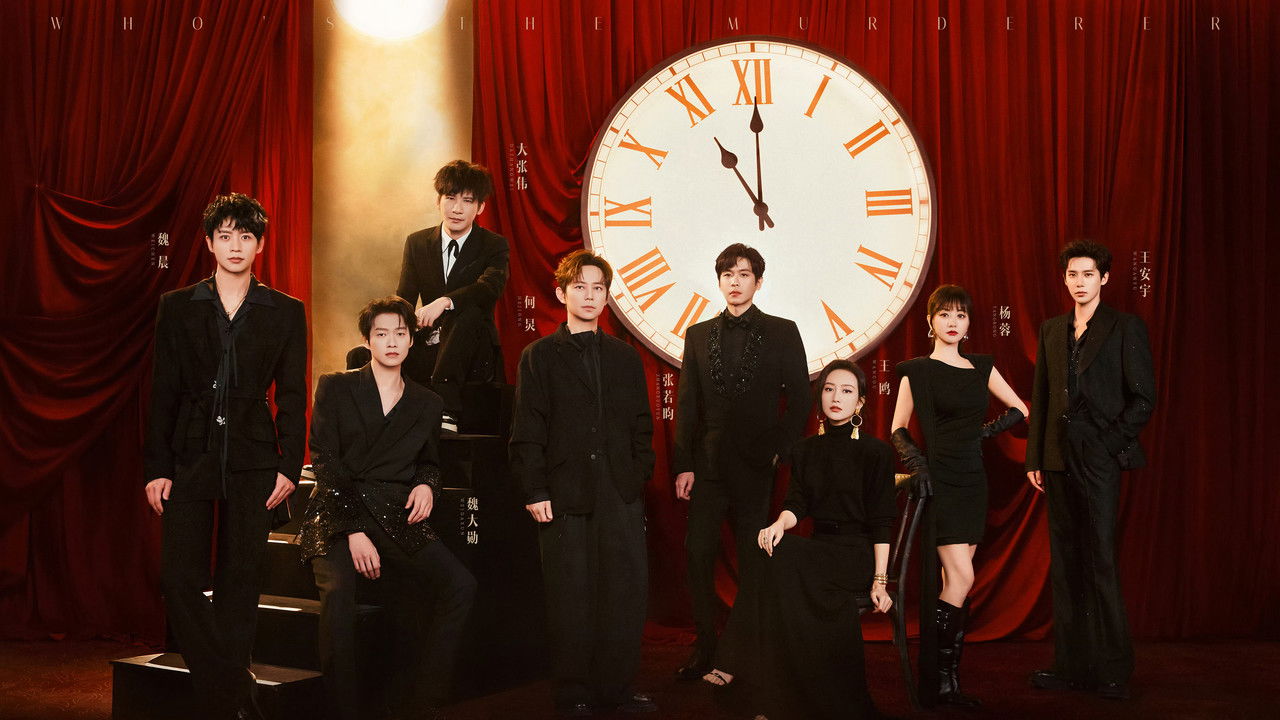
The cast of Who's the Murderer (2016) enters a new murder case, meets the suspects, and chooses to play either the detective or a suspect.
October 22, 2026
The Ending, Explained
The final chapter of this unconventional reality mystery leaves viewers with plenty to unpack. The episode finale, Who's the Murderer ending explained, shows how the performers reconcile their assigned identities with the truth of the case. Because the program never relies on scripted confessions, the resolution feels earned. We see the detective and the suspects circle one another until the logical gap closes. Without touching the early character introductions, it is safe to say that the last act is where the chosen roles either protect or expose the guilty party. The structure mirrors a parlor game translated to television, and the satisfaction comes from watching improvisational deduction meet a predetermined puzzle. Fans of cerebral crime formats will appreciate that the conclusion does not cheat the audience. The show's reality label means the participants are aware of the artifice, yet they commit to the logic as if the stakes were personal. That contract between player and puzzle is what makes the ending resonate. Rather than a twist dropped from outside, the finale is an internal reckoning. The camera simply observes as the cast's earlier decisions bloom into certainty or doubt. The absence of a traditional narrative voice leaves room for the cast's own logic to shine. Every gesture in the final act echoes the initial role selection, creating a loop that rewards rewatching.
What Happens
Let me explain What happens Who's the Murderer end in a way that respects the show's stealthy pacing. After the cast has settled into their positions, the remainder of the runtime focuses on interrogation and counter-argument. The detective gathers statements while the suspects attempt to maintain plausible innocence. No hidden footage or external twist arrives to sabotage the process; instead, the group's own reasoning drives the shutter closed on the case. This approach keeps the tension internal. If you enjoy investigative banter, you might also appreciate Poker Face, which similarly treasures a sharp central mind piecing together lies. The takeaway from the closing minutes is that the answer was available all along, embedded in the role dynamics established earlier. The participants do not suddenly gain new evidence; they refine interpretation. That disciplined method is a breath of fresh air in a genre often addicted to reveals. The final scene is less a curtain fall and more a confirmation of accumulated scrutiny. Viewers who stayed attentive will feel the click of alignment.
The Meaning Behind the Ending
The central takeaway, Who's the Murderer ending meaning, points to the fluid nature of guilt inside a game space. When the final accusation lands, it is less about punishing a person and more about acknowledging how the detective function operates under constraints. The significance of the final act is that it validates the reality format: ordinary players can inhabit a mystery and produce a coherent solution. This mirrors the pleasure of classic whodunits while updating them for a participatory era. For a richer take on layered detective work, consider Moonflower Murders, a title that also trusts the audience to connect scattered clues. Here, the ending means the boundary between performer and investigator briefly dissolves. The culprit, once unmasked, returns to being a cooperator in the game, and that cyclical forgiveness is part of the show's gentle ethos. Meaning accumulates not from shock but from the demonstration that structured talk can surface truth. The final act therefore becomes a small celebration of collective reasoning.
Themes You Might Have Missed
The overall format, Who's the Murderer explained, rests on the theme of delegated authority. A rotating detective steps into a role that normally belongs to the writer, and that shift is the quiet engine of the series. Beyond the obvious crime label, the show probes how people construct alibis verbally, and how a reality setting strips away the safety of fiction. The audience becomes a silent juror. Another layer is the comedy of manners implicit when suspects overplay their hand. If you like structured amateur sleuthing, Miss Marple: The Moving Finger offers a cozy counterpart where observation trumps force. Themes of trust, performance, and logical fairness weave through every episode without being announced. The detective keyword is not just a tag but a lens: each installment asks whether observation alone can secure justice in a staged world. Missing these undercurrents reduces the show to a simple game, when it is actually a study of social deduction.
Who's the Murderer: Our Final Verdict
The introductory phase, Who's the Murderer case setup, assigns roles to the cast and frames the week's puzzle, but the true verdict belongs to the viewer. Director Mo Naishan crafted a crime mystery reality hybrid that currently holds an 8.6 out of 10 rating from a small pool of sixteen votes. That score signals a dedicated niche rather than mass appeal. The show's strength is its repeatable formula: present a setting, offer suspects, let the cast choose, then watch logic unfold. While we avoid spoiling the opening, we can say the payoff rewards patience. Genres listed are Crime, Mystery, and Reality, a combination that explains the show's experimental edge. For those who enjoy untangling fictive crimes, this one deserves a spot on your list. The verdict is not that it reinvents television, but that it refines a communal pastime with discipline. Its modest vote count suggests a hidden gem waiting for the right curious audience. The show's reality element ensures that the participants know they are playing, yet the detective still must convince the room. That balance of play and proof is the director's quiet achievement.
Who's the Murderer Quick Facts
The following data summarizes the essential details without commentary. Use it as a reference before deciding to stream.
- Title: Who's the Murderer (2016)
- Director: Mo Naishan
- Genres: Crime, Mystery, Reality
- Rating: 8.6/10 (16 votes)
- Runtime: Not available
- Tagline: Not available
- Core theme: detective
- Plot summary: The cast is introduced to the settings and suspects of a murder case for the new episode. The cast then chooses their role in the episode, as a particular suspect or the detective.