Whalefall (2026): A Father's Lessons Key to Escape
After his father's death, Jay is swallowed by a sperm whale and must use his father's lessons to escape before his oxygen runs out.
October 16, 2026
The Ending, Explained
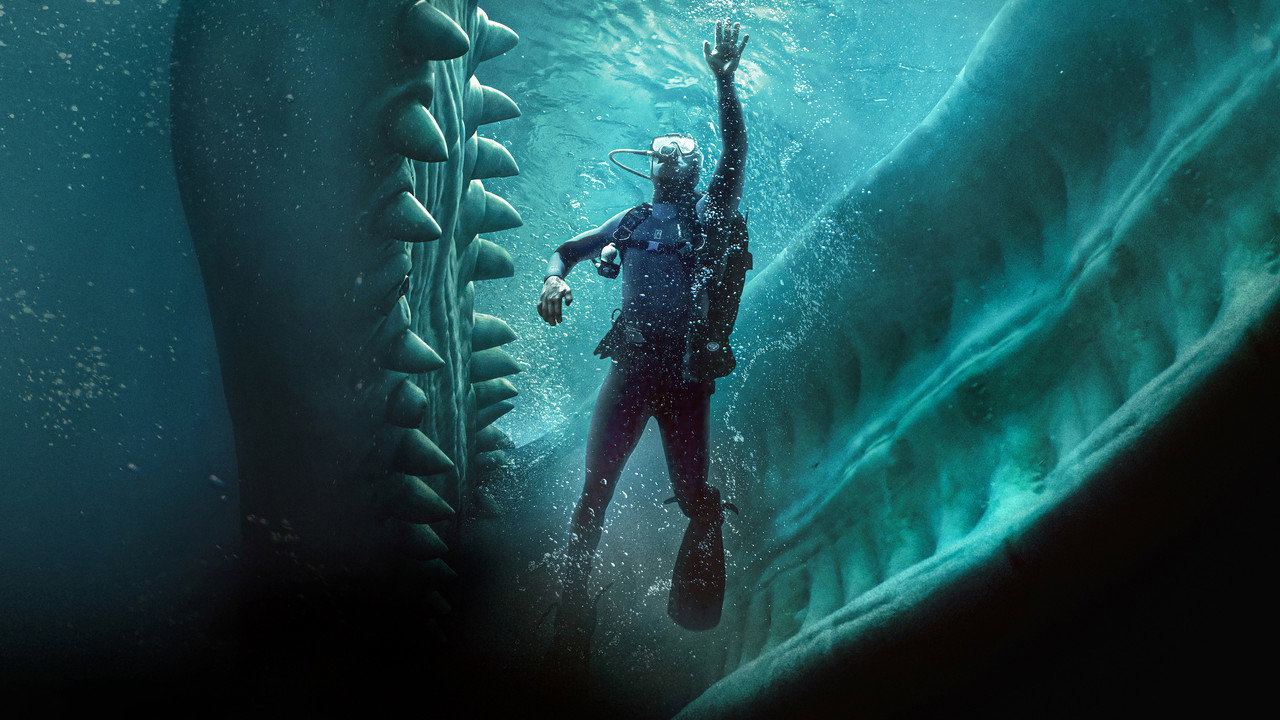
We can offer a Whalefall ending explained perspective by focusing on the last hour inside the whale. The film places Jay Gardiner in a situation that feels impossible: a scuba diver sealed within the body of a massive sperm whale, with his oxygen gauge dropping toward zero. Director Brian Duffield uses the confined space to strip away distractions, leaving only the character and the memory of his father.
Without revealing how Jay arrived there, it is enough to know that the final act is a race against time. The lessons imparted by his late parent become more than nostalgia; they are practical guidance. This is a survival thriller that trusts the audience to connect emotional beats with physical escape.
A broader Whalefall explained approach also helps us see the movie as a family drama disguised as a thriller. Jay's internal journey mirrors the shrinking air supply. The tagline "Hold your breath" takes on double weight as both literal instruction and emotional state.
Before we judge the symbolism, it is worth asking what happens at the end of Whalefall in purely physical terms. The climax resolves the immediate danger, but the camera lingers on smaller human details. That choice separates the picture from typical creature features.
What Happens
The truncated runtime of 106 minutes means every scene in the back half carries weight. Jay is not merely waiting; he is processing the death of his father while calculating his remaining oxygen. The sperm whale, a creature of immense scale, becomes a chamber where psychological horror meets body horror. We see limited gore, but the suggestion of being digested amplifies tension.
Our look at the Whalefall ending meaning theme suggests the whale is a metaphor for unresolved grief. When the clock hits its final minutes, Jay recalls specific advice from his dad. Those memories are not flashbacks for exposition; they are the toolbox he uses to manipulate his environment. The film avoids explaining every mechanic, which keeps the experience raw.
In our view, the Whalefall movie ending sequence is a masterclass in restraint. Instead of a loud action set piece, the resolution arrives through a quieter decision. Jay accepts the impossibility of his situation even as he acts to change it. That paradox is the core of the escape.
The central Coast of California setting matters less than the acoustic emptiness inside the animal. With only one hour of air, each bubble becomes a countdown. The supporting cast, including Josh Brolin and Elisabeth Shue, frames the outside world Jay left behind.
The Meaning Behind the Ending
The finale's emotional core traces to the father-son relationship. While the plot builds on a scuba diver swallowed by chance, the true subject is inheritance. A parent's teachings can outlast the parent, here literally providing a way out. The ending closes two loops: physical escape and emotional acceptance.
Survival in this narrative is not solitary. Jay's father, though absent, is present in every instruction. The movie leverages psychological horror to show that the mind can be as threatening as the belly of a whale. When Jay confronts his own panic, he is also confronting the loss he never processed.
Fans of intense underwater stories may also appreciate Gray Lady Down, an older film that similarly traps characters beneath the surface. Whalefall updates that claustrophobia with modern pacing and a more personal stake.
The rating of 7.6 out of 10 from early viewers indicates the ambiguous tone landed well. Some will want clearer answers, but the film trusts its audience to sit with uncertainty. That trust is part of the meaning: grief has no neat conclusion.
Themes You Might Have Missed
Because the surface premise is so striking, viewers might overlook the quieter motifs. The theme of oxygen operates on multiple levels. Obviously it is the literal resource keeping Jay alive, but it also represents the breath of life that grief temporarily steals. A death of father storyline could become maudlin, yet the script treats mourning as active problem solving.
Another overlooked element is the based on novel or book origin, where internal monologue becomes visual metaphor. The sperm whale is a narrative device borrowed from prose. Body horror hints at transformation, while psychological horror keeps the real change internal.
For those who enjoy true survival thrillers, The Impossible offers a different but adjacent meditation on family under physical threat. Both films place ordinary people in extraordinary confines and watch what they carry from home.
The cast list, featuring Austin Abrams as Jay and veterans like John Ortiz and Jane Levy, supports the intimate scale. Even Emily Rudd's role, however brief, ties the external world to the internal one. Themes of family drama are woven so tightly that removing them would collapse the plot.
Whalefall: The Bottom Line
Brian Duffield's thriller runs a tight 106 minutes and never wastes the premise. The combination of survival thriller tension with family drama gives the ending weight that pure spectacle cannot. Jay's predicament inside the whale is horrifying, but the bigger takeaway is how a father's voice can guide a child through the dark.
The film's success hinges on restraint, keeping focus on the human clock rather than whale biology. That makes the final act resonate. The tagline "Hold your breath" is not a gimmick; it is the instruction to follow mentally and physically.
Viewers seeking a straightforward monster movie might feel shortchanged, but those open to a psychological horror inflection will find much to admire. The rating of 7.6 reflects a polarized yet generally positive reception, with the intimate approach dividing expectation.
If you prefer aquatic tension with a romantic edge, Deep Water presents another 2026 release that plays with danger in close quarters. Whalefall remains distinct by grounding its peril in personal loss.
Whalefall Need to Know
For quick reference, the essentials are clear. Title: Whalefall. Year: 2026. Genre: Thriller with survival and psychological horror elements. Director: Brian Duffield. Runtime: 106 minutes. Rating: 7.6/10 based on 17 votes. Tagline: Hold your breath. Main cast: Austin Abrams, Josh Brolin, Elisabeth Shue, John Ortiz, Jane Levy, Emily Rudd.
The plot centers on a scuba diver named Jay Gardiner who, after his father's death, faces a monumental struggle against time and nature. The sperm whale that engulfs him is less a villain than a crucible. With one hour of oxygen, the story becomes a test of memory and will.
Themes to remember include race against time, oxygen as limited resource, death of father, survival, family drama, scuba diver, body horror, psychological horror, sperm whale, and survival thriller. These keywords are not boxes to tick but lenses for viewing the finale.
Ultimately, the movie offers a compact, intense experience that rewards attention to character. The ending does not shout; it exhales. That measured closure is why the film merits discussion long after the credits.