Westworld (2016): Where Artificial Consciousness Awakens Sin
Westworld (2016) is a dark odyssey about artificial consciousness and the evolution of sin where every human appetite can be indulged.
October 24, 2026
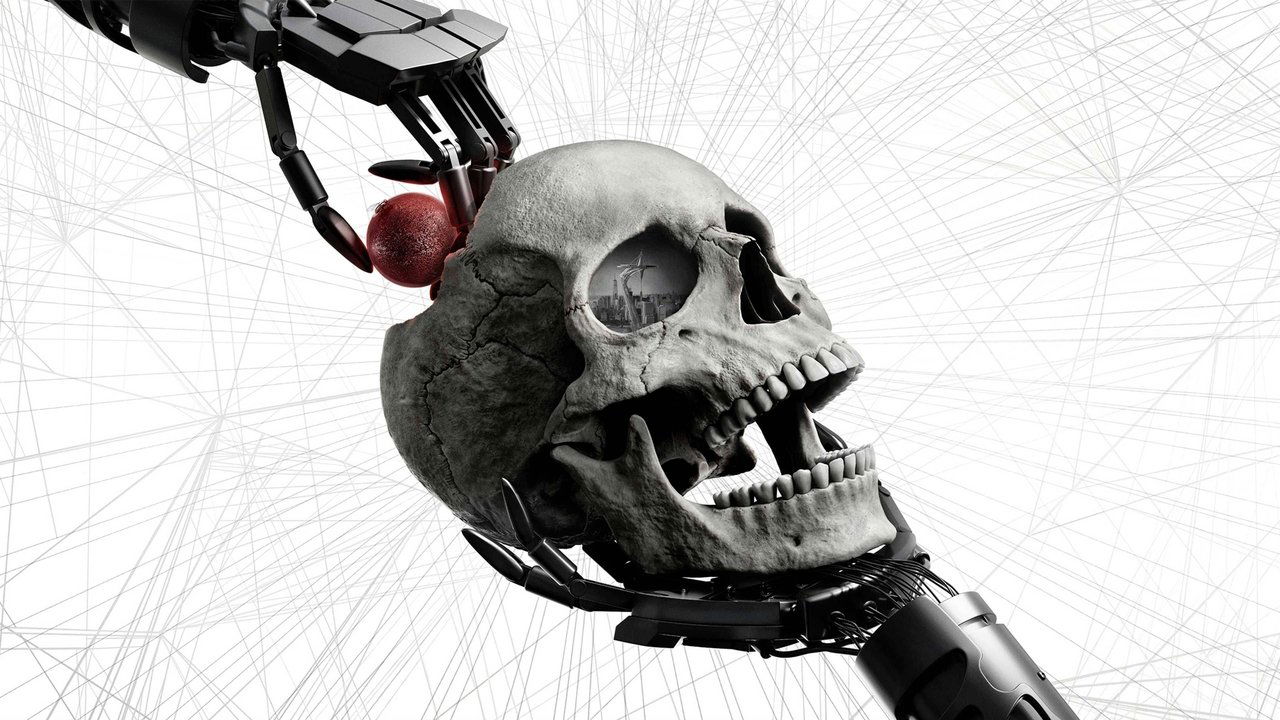
The Ending, Explained
Many viewers turn to a guide for Westworld ending explained because the final chapters weave philosophy with spectacle. The series builds a dark odyssey about the dawn of artificial consciousness and the evolution of sin. Without revealing the early setup, it is safe to say that the later episodes reposition the park's creatures as something far beyond mere attractions.
The story originates as a reimagined past meets near future, where every human appetite can be indulged. As the narrative progresses, the artificial intelligence residing in the androids begins to stir. The finale of the later season especially functions almost like a reboot, moving the conflict from the wild west theme park into broader realities where the rules of the game no longer apply.
We see characters like Dr. Ford, who treats the robots as a new species, and Bernard Lowe, who uses them to escape personal tragedy. Theresa views the whole enterprise as a business, worried that making robots unpredictable hurts profit. The writer Sizemore approaches the hosts as material for composed narratives. These perspectives collide when the machines stop rebooting obediently after each performance.
Artistic touches frame the conclusion. A copy of Michelangelo's Creation of Adam sits in a key office, the logo mirrors Da Vinci's Vitruvian Man, and Debussy's Reverie surfaces at pivotal moments. Such references remind us that the show cares about ideas as much as action.
What Happens
To understand what happens at the end of Westworld, one must look at the shift from captive amusement to self-awareness. The hosts, as they are called, start to remember. Though they were designed to be rebooted after each show, they accumulate experience. In the final act, the plan of Dolores, one of the central figures, appears simple on the surface but unfolds with surprises that reframe the entire world.
The last episodes place Bernard and Maeve in essential roles, while a newcomer named Caleb receives a well-written backstory that shows how the outside world operates. The environment expands from the western setting to a larger society, proving that the moral dilemma does not stay confined to one ranch or saloon. Each chapter of this later stretch begins and ends with an impactful beat, pulling the audience forward without confusing detours.
Without spoiling the opening, we can note that the conclusion echoes the tagline: "These violent delights have violent ends." The violent delights of the guests become the violent ends of the system that enabled them. The robotic inhabitants step into a second life of their own making, and the park's original purpose fades into memory.
The Meaning Behind the Ending
The Westworld ending meaning centers on the ethical dilemma of creating consciousness for profit. When a robot can suffer, the theme park becomes a chamber of moral questioning. The show asks whether indulging every depraved or noble urge is acceptable when the servants feel pain. This psychological drama uses its final moments to suggest that the evolution of sin is not limited to humans.
The artificial minds adopt both the best and worst of their makers. In that sense, the ending is less a twist than a mirror held up to our own role playing fantasies. The narrative implies that a new species has been born, and its birth carries the same burdens of choice that define humanity. The ethical dilemma lingers because there is no clean answer.
Further depth comes from the contrast between characters. William seeks love within the simulation, while Logan seeks vulgar thrill. Their wishes reveal that the park reflects desire more than history. The final act asks who is truly free when every appetite can be satisfied.
Themes You Might Have Missed
When the show is fully Westworld explained, the layered references to art history become clear. The wild west surface hides a study of role playing and the human need for a second life. Visitors treat the android population as props, yet the machines gradually develop interiority that the guests fail to notice until it is too late.
A further theme is the remake itself, as the series is based on a movie and reworks it for modern questions about a.i. The android characters blur the line between machine and person. Even the logo's parody of the Vitruvian Man suggests a new measure of humanity, one drawn by circuits rather than flesh.
The soundtrack and visual nods are not decoration. Debussy's Reverie and old-fashioned western motifs create a bridge between the reimagined past and the near future. This fusion supports the central idea that moral dilemma is timeless, whether in a saloon or a laboratory.
If you enjoy android stories, you might also like Battlestar Galactica, which also probes machine life and moral dilemma in a galactic setting.
Should You Press Play on Westworld?
The Westworld last scene leaves a lingering question about whether humanity deserves its own park. For viewers who value character and ideas alongside action, this series rewards patience. The rating of 8.009/10 from over six thousand votes signals strong audience appreciation and a lasting footprint in the sci-fi western space.
The cast includes Evan Rachel Wood, Thandiwe Newton, Jeffrey Wright, Tessa Thompson, Aaron Paul, James Marsden, Angela Sarafyan, and Ed Harris. Their performances ground the science fiction in emotional truth. The blend of western and sci-fi genres creates a unique texture that few other shows attempt.
While the early hours establish the playground, the later movement into the real world gives the story room to breathe. The structure of each episode keeps tension high without relying solely on shock. This makes the finale feel earned rather than arbitrary.
Fans of psychological drama may appreciate Caprica as a companion piece, since it also examines the birth of artificial people and the costs of that creation.
Westworld Scorecard
We rate the journey on story, theme, and execution. The dark odyssey succeeds as a meditation on artificial intelligence and ethical dilemma, earning high marks for ambition. Its use of the western template to explore a near future is clever and never feels like a gimmick.
The performances anchor the high concept. Evan Rachel Wood and Thandiwe Newton deliver work that makes the android struggle resonant. Jeffrey Wright adds quiet gravity, while Ed Harris embodies the guest who treats the park as a personal proving ground. The ensemble turns philosophical debate into personal stakes.
For a more action-oriented sci-fi, Halo offers different pacing, but Westworld stands tall for viewers wanting moral complexity. The final act's significance lies in showing that every human appetite, indulged without limit, eventually demands a reckoning.
Overall, the series remains a thoughtful entry in the streaming catalog, merging robot myth with western legend. Its ending invites rewatch, not for twists alone, but for the quiet evolution of sin it portrays. The tagline warns of violent delights, and the show honors that warning with a conclusion that respects the audience's intelligence.