VisionQuest (2026): A Synthetic Being's Survival Test
VisionQuest (2026) follows a bounty-hunted Vision as he confronts his nature and resists Ultron's influence to survive.
October 15, 2026
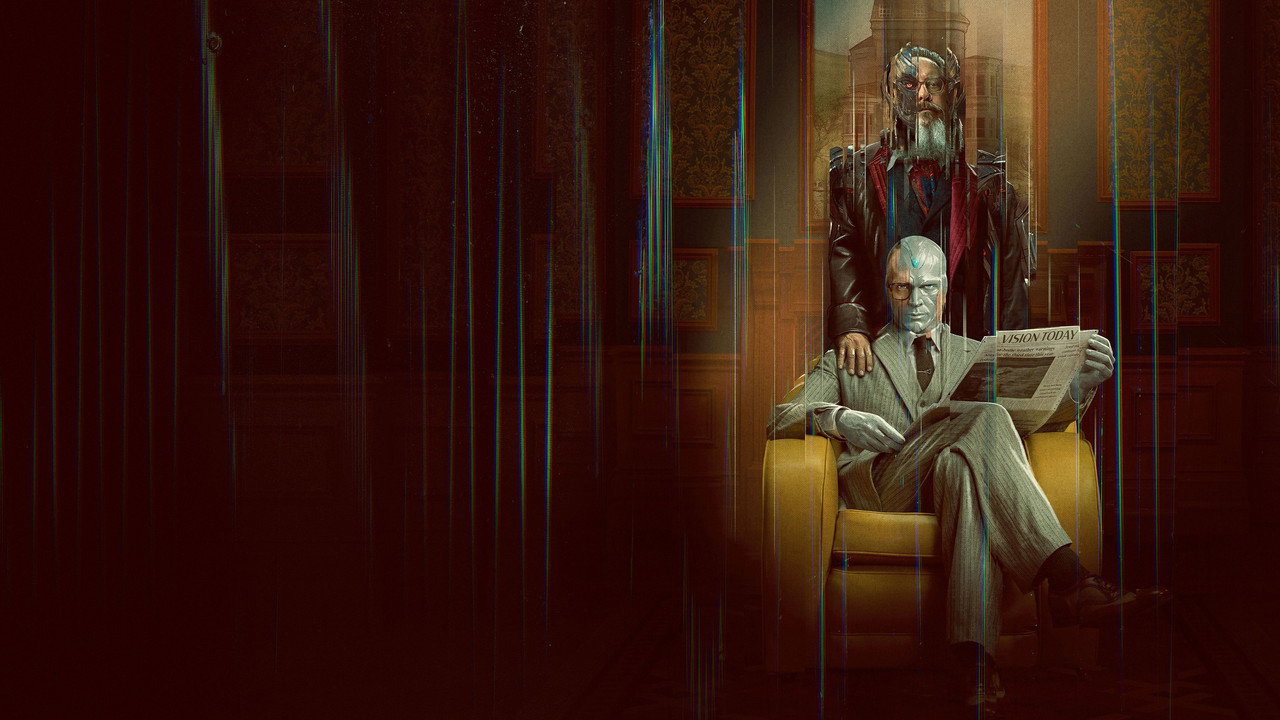
The Ending, Explained
VisionQuest arrives as a tight Marvel Cinematic Universe miniseries that puts an artificial being at the center of a personal storm. Without revealing the early setup, we can focus on the closure. The label VisionQuest ending explained fits a finale that is less about external enemies and more about a synthetic mind accepting its own worth. The bounty narrative threads together a journey of flight and reflection, and the last episode reframes everything that came before it.
The production carries a remarkable 8.991 out of 10 score across 57 viewer votes, suggesting the audience embraced its quiet intensity. Paul Bettany leads a cast that includes James Spader, Ruaridh Mollica, Todd Stashwick, Lauren Morais, Orla Brady, Diane Morgan, and Ben Crompton. Their performances ground a story that could have floated away into pure sci-fi spectacle.
The limited series format proves ideal for this kind of story. Because VisionQuest is a miniseries, it can devote its shortened runway to a single internal arc rather than sprawling subplots. That structural choice makes the final revelation land with more weight than it might in a longer season.
What Happens
By the time the finale unfolds, the protagonist is no longer simply running. The central mystery, VisionQuest what happens ending, centers on a choice: whether to surrender to Ultron's whispering influence or to assert a separate self. We see the character stand against the pressure, using the relationships built during the flight to anchor his decision. The last minutes present a resolution that honors the comic origins while staying grounded in drama.
Crucially, the miniseries avoids a loud battle in favor of a psychological stand. The android's nature becomes the battlefield, and the people around him provide the mirror he needs. This is a measured conclusion that trusts the viewer to read between the lines.
We should note that the concluding chapter does not rely on spectacle to make its point. Instead, the camera lingers on faces, letting the audience read the shift in the android's posture. The decision to resist Ultron is shown through small gestures, a fitting close for a drama that values interior life.
The Meaning Behind the Ending
The term VisionQuest ending meaning captures the father son relationship that runs beneath the surface. The figure of Ultron functions as a twisted paternal shadow, offering power at the cost of identity. When the hero rejects that path, he claims his own self identity. The ending therefore signals maturity for a character who began uncertain about his place in the world.
That thematic payload is why the show resonates. It is not just a story about being on the run; it is about what one becomes when the chase stops. The final act turns a survival plot into a meditation on personhood.
Themes You Might Have Missed
Another quiet idea is the contrast between manufactured purpose and chosen purpose. The comic inspiration often framed the character as a tool, but here the narrative lets him step beyond that role. This subtle reworking rewards viewers familiar with the source while remaining clear to newcomers.
The full analysis, VisionQuest explained, highlights several quiet motifs. The android premise lets the writers examine an identity crisis without human biology. References to the source comic appear as small visual nods rather than heavy exposition. Fans of mind-control tales might enjoy Dollhouse, a series that also plays with erased selves and reconstructed personalities.
Another layer is the MCU connection, which situates the miniseries inside a larger canvas without requiring homework. The father son dynamic gains weight when you recall the broader mythology. For those who like animated superhero side stories, Eyes of Wakanda offers a different corner of the same universe to explore after finishing this one.
How Good Is VisionQuest, Really?
The high rating is not an accident. The premise, VisionQuest bounty head, keeps the drama intimate even as the sci-fi framework expands. Reviewers on the streaming platform have noted the balance of genre elements. The limited episode count keeps the pacing disciplined, and the cast delivers restrained work that suits the material.
Compared to lighter superhero fare, this entry feels closer to a character study. If you enjoyed DC's Stargirl, you may appreciate how both shows weave family threads into costumed mythology, though VisionQuest keeps its feet planted in melancholy.
VisionQuest Overview
VisionQuest is a 2026 miniseries blending Sci-Fi & Fantasy with Drama. It follows a synthetic protagonist who must resist a corrupting influence while surviving a price on his life. Themes of self identity, being on the run, and a father son relationship give the plot its emotional core. Based on comic source material, it extends the Marvel Cinematic Universe in a contemplative direction.
The ensemble cast brings depth to a sparse concept. Paul Bettany and James Spader share the screen with Ruaridh Mollica, Todd Stashwick, Lauren Morais, Orla Brady, Diane Morgan, and Ben Crompton. While the director and runtime are not listed, the finished product speaks through its writing and performances. The 8.991/10 average from 57 votes indicates a warm reception among early viewers.
Though the director remains unconfirmed and the exact runtime is unavailable, the creative coherence suggests a singular vision. The blending of Sci-Fi & Fantasy with Drama creates a tone that feels both speculative and deeply human. It is a welcome addition to the MCU's quieter experiments.
Ultimately, the show earns its ending by building a coherent inner journey. It respects the audience's intelligence and leaves a lingering question about what it means to be alive. That is a rare feat for a comic-based property.