Vikings (2013): Ragnar's Rise from Warrior to King
A clear guide to how Vikings (2013) ends Ragnar Lothbrok's journey from warrior to King of the tribes under Norse gods.
October 21, 2026
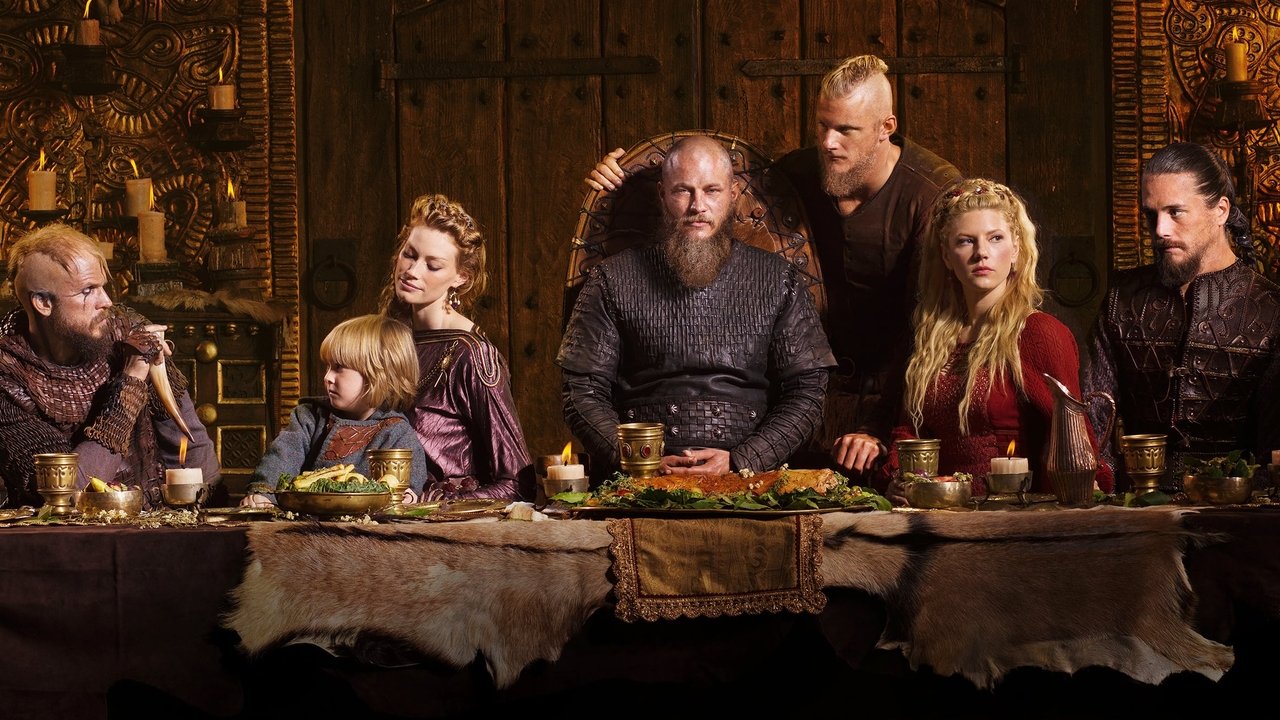
The Ending, Explained
When audiences search for Vikings ending explained, they typically want clarity on how the sprawling tale of Ragnar Lothbrok reaches its resolution. The show chronicles the adventures of a figure described as the greatest hero of his age, following his band of brothers and family as they navigate loyalty, warfare, and the will of the gods. Without revealing the early chapters, we can say the final stretch pays off the long build toward Ragnar's stature as King of the Viking tribes. His embodiment of Norse traditions and rumored lineage from Odin frames the conclusion as larger than a simple historical record.
The series blends action, adventure, drama, and political conflict into historical fiction that never loses its mythological roots. Viewers who appreciate layered narrative will find the closure earned rather than abrupt. While the first episodes require patience, the eventual momentum makes the ending resonate. This is a story where legacy matters more than any single battle, and the final moments reflect that priority. The rating of 8.102 out of 10 from thousands of voters suggests the payoff satisfies.
What makes the conclusion distinctive is its refusal to treat the protagonist as a mere mortal conqueror. Instead, the show treats him as a vessel for Scandinavian values during the middle ages and dark ages. The sagas of his family extend beyond personal glory, emphasizing the collective identity of the Viking tribes. That scope ensures the ending feels like a chapter in a longer oral tradition rather than a closed book.
What Happens
To summarize what happens at end of Vikings, the focus inevitably shifts from one generation's conquests to the endurance of their bloodline and customs. Ragnar's rise to kinghood sets a template that his relatives and fellow warriors strive to honor. The concluding acts emphasize continuity of Scandinavian ideals through successive struggles in the middle ages. Battles are won and lost, yet devotion to the gods remains a constant anchor.
Conversations about Vikings season 6 ending often highlight how the later narrative threads tie back to the original sagas. The show does not abandon its core themes of royalty and warfare; instead, it widens the scope to show the broader impact of Ragnar's life on those who followed. The final episodes serve as a meditation on what it means to be a warrior when the greatest hero has already set the standard.
Fans of this universe should also explore Vikings: Valhalla, which continues the Norse tradition with a new cast of historical figures. The spin-off captures a similar spirit of exploration and conflict, making it a natural next watch.
The Meaning Behind the Ending
The Vikings ending meaning becomes clear when we consider the show's emphasis on myth as history. Ragnar is portrayed not just as a fearless warrior but as a living expression of divine favor, given the legend of his descent from Odin. Therefore, the conclusion is less about a final victory and more about the transmission of a cultural identity. The Viking tribes' recognition of him as king validates the Norse belief system that permeates the drama.
In this light, the final act asks whether mortal achievements can mirror eternal legends. The series suggests they can, provided the community upholds its rituals and respects the past. That message elevates the proceedings from a simple war story to a historical drama with spiritual weight. Themes of royalty and devotion intersect, showing leadership requires both sword and faith. Such an ending leaves a sense of continuity rather than loss.
The legacy of characters portrayed by Alex Høgh Andersen, Jordan Patrick Smith, Marco Ilsø, Peter Franzén, Georgia Hirst, and Danila Kozlovsky reinforces that the saga belongs to many voices. Their intertwined arcs demonstrate how a single hero's myth ripples across society. That collective resolution is the true payoff.
Themes You Might Have Missed
Through the perspective of Vikings explained, we uncover subtle threads about governance, faith, and the harsh realities of the dark ages. The label of historical fiction sometimes obscures how deeply the writing engages with Norse mythology. References to Odin are not decorative; they inform decisions about kingship and battle. Similarly, the middle ages backdrop examines how royalty functioned amid constant threats.
Another overlooked aspect is the role of family beyond blood. Ragnar's band of brothers demonstrates a chosen kinship that rivals biological ties. This dynamic enriches the political landscape and explains why his legacy survives transitions of power. Themes of Scandinavia and warrior honor recur in quiet moments as well as large set pieces. The show's genres—action, adventure, drama, war and politics—each breathe without overshadowing the others.
If you enjoy narratives built on royal intrigue, House of the Dragon presents a comparable exploration of succession and tradition. Both shows balance personal drama with the demands of a crown.
The Verdict on Vikings
The overall experience earns its strong reception, reflected in an audience score of 8.102 out of 10 across nearly eight thousand votes. The combination of grounded combat, reverent mythology, and clear character arc makes the long watch worthwhile. The show may start slowly, but the investment pays off when the final act lands its themes. It stands as a notable entry in historical drama and adventure television, with enough battle to satisfy war and politics enthusiasts.
Performances from the ensemble give weight to the sagas. Their work helps the viewer accept a world where the divine and mortal intersect. For streamers seeking substance alongside spectacle, this title delivers a complete arc from rise to remembrance. The lack of a stated tagline does not diminish its identity; the name Ragnar Lothbrok alone evokes the promised scope.
Those who like a darker mythological tone might also consider Helstrom, though its approach is more supernatural than historical. It can be a curious follow-up for viewers who finished the Viking saga and want something different yet still steeped in legends.
Vikings Essentials
Before wrapping up, here are the core elements that define the show:
- Centers on Ragnar Lothbrok, a legendary hero said to descend from Odin
- Spans action, adventure, drama, and war & politics genres
- Explores Scandinavian culture during the middle ages and dark ages
- Balances historical fiction with Norse mythological devotion
- Features an ensemble cast portraying family and brotherhood
- Depicts the rise to kinghood and the enduring weight of royalty
The result is a historical drama that respects its source sagas while offering modern storytelling momentum. Whether you arrived for battles or for spiritual questions, the ending provides a fitting capstone to the journey. The adventures of Ragnar and his band remain a touchstone for Viking lore presented with conviction.