V/H/S/Mixtape (2026): Cursed Music Videos Meet Found Footage
A blood-soaked collection of cursed music videos and found footage horror, V/H/S/Mixtape (2026) cranks the volume on terror until you pray it stops.
October 15, 2026
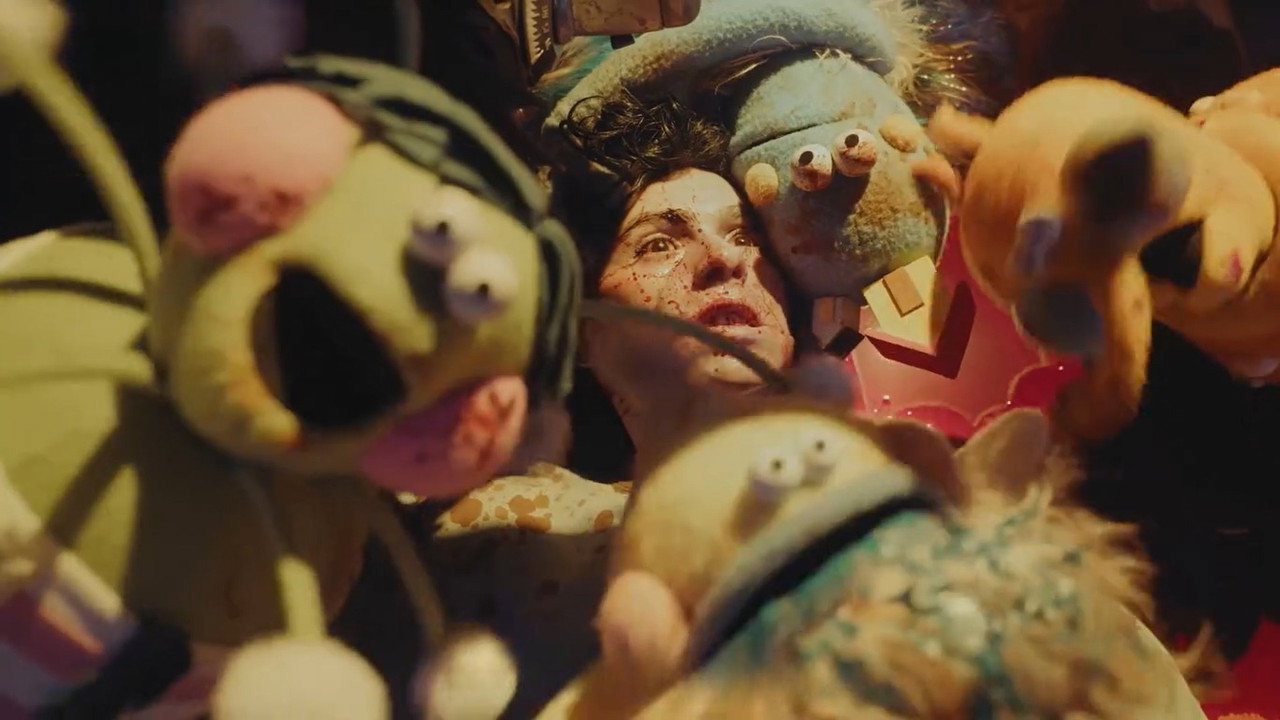
The Ending, Explained
The closing stretch of this gruesome anthology deserves a careful look, especially for viewers who pressed play and immediately regretted it. While we will not ruin the opening recordings, it is fair to say that the final act of V/H/S/Mixtape 2026 functions as a brutal payoff to the cursed music videos that came before. Director David Moreau builds a ninety-eight minute collision of horror and music where each segment feeds into the next like tracks on a poisoned cassette. The ending does not rely on a hidden twist; instead, it confirms that the found footage format has always been a doorway for something worse than bad signal.
In this V/H/S/Mixtape review, we concentrate on the last moments because they reveal the core mechanics of the project. The collection of terrifying performances reaches its peak when the point of view camera becomes an unwilling participant in the massacre. Low fidelity visuals and a high body count are not just stylistic choices; they are the rule of the world inside the tape.
If you appreciate stacked scary vignettes, you might also enjoy Books of Blood, which similarly stitches separate frightening tales into one package.
What Happens
Without detailing the first act, the later portions of the film show the cursed recordings escalating in violence. The anthology structure means several standalone stories share a single grim purpose: each music video is a trap for anyone who watches. As the runtime advances, the found footage horror aesthetic grows rougher, emphasizing analog horror texture over clean image. Terrifying performances by cast members such as Mike Derks, Michael Bishop, and Barbara Crampton ground the surreal carnage in recognizable faces. By the final sequence, the point of view shots place the audience directly behind the lens, making the cosmic horror threat feel personal.
The plot summary promises a blood-soaked collection that tells viewers to press play and pray it stops. That instruction becomes literal near the end. The last tape does not simply conclude; it implicates the viewer in the high body count. No neat resolution arrives, because the sequel nature of the project suggests the curse will continue beyond this installment.
For those interested in raw obscured recordings, Begotten offers a similarly uncompromising analog nightmare from an earlier era.
The Meaning Behind the Ending
The significance of the final act lies in its refusal to comfort. Psychological horror often works by making the observer question their safety, and this ending achieves that by breaking the barrier between screen and spectator. The cosmic horror element implies a vast indifferent evil that uses music videos as transmission vectors. When the found footage stops, it is not because the danger passed but because the tape ran out, leaving the curse ready to spread to the next player.
This reading aligns with the tagline: low fidelity, high body count. The low visual quality is a feature of the analog horror approach, not a flaw, and the body count is the price of admission. As a sequel within a horror anthology lineage, the film suggests that each generation gets its own cursed medium.
Viewers who want another forest-set found footage mystery can explore She Walks the Woods for a different but adjacent experience.
Themes You Might Have Missed
Because the movie wears its genre labels openly, it is easy to overlook how many layers operate at once. The following concepts appear throughout the runtime:
- Anthology storytelling that lets separate cursed music videos coexist.
- Sequel status that extends a found footage tradition.
- Point of view shooting that forces identification with the recorder.
- Cosmic horror suggesting forces beyond human understanding.
- Psychological horror born from being watched by the tape.
- Analog horror texture using degraded video as atmosphere.
- Found footage horror as the primary delivery system.
None of these are subtle, yet their combination in a single ninety-eight minute music-themed package is unusual. The genres listed are horror and music, and the blend creates a rhythmic brutality where each death feels like a beat drop.
V/H/S/Mixtape: Our Final Verdict
The accumulated rating of 4.444 out of 10 from eighteen votes indicates that this experimental sequel divided its audience. That number, however, does not diminish the craft in the ending breakdown we outlined. David Moreau's direction keeps the tension through terrifying performances and a relentless pov approach. With a cast including Brad Roberts, Casey Orr, Bob Gorman, Josh Willis, and Christopher Romero Sosa alongside the names already mentioned, the film fields enough faces to populate its many segments.
Our advice is to approach the movie as an experience rather than a narrative. The tagline low fidelity high body count is honest advertising. If you enjoy horror anthology structures where the frame story is as deadly as the segments, this one earns a watch despite the mixed score.
V/H/S/Mixtape Explained
To sum up the breakdown: the first act remains unspoiled here, but the ending of V/H/S/Mixtape 2026 confirms that the cursed music videos are a self-perpetuating trap. The final act's meaning rests on analog horror and cosmic horror merging into a psychological horror assault on the viewer. Found footage and pov techniques ensure no one watches untouched. The closing breakdown offered in this V/H/S/Mixtape review shows that the film's true subject is the medium itself: press play, and the tape decides when you stop.