Ulice (2005): Inside Prague's Enduring Soap Opera
Ulice is a Czech soap opera following Prague families through divorce, love, betrayal, and illness in their daily lives.
November 13, 2026
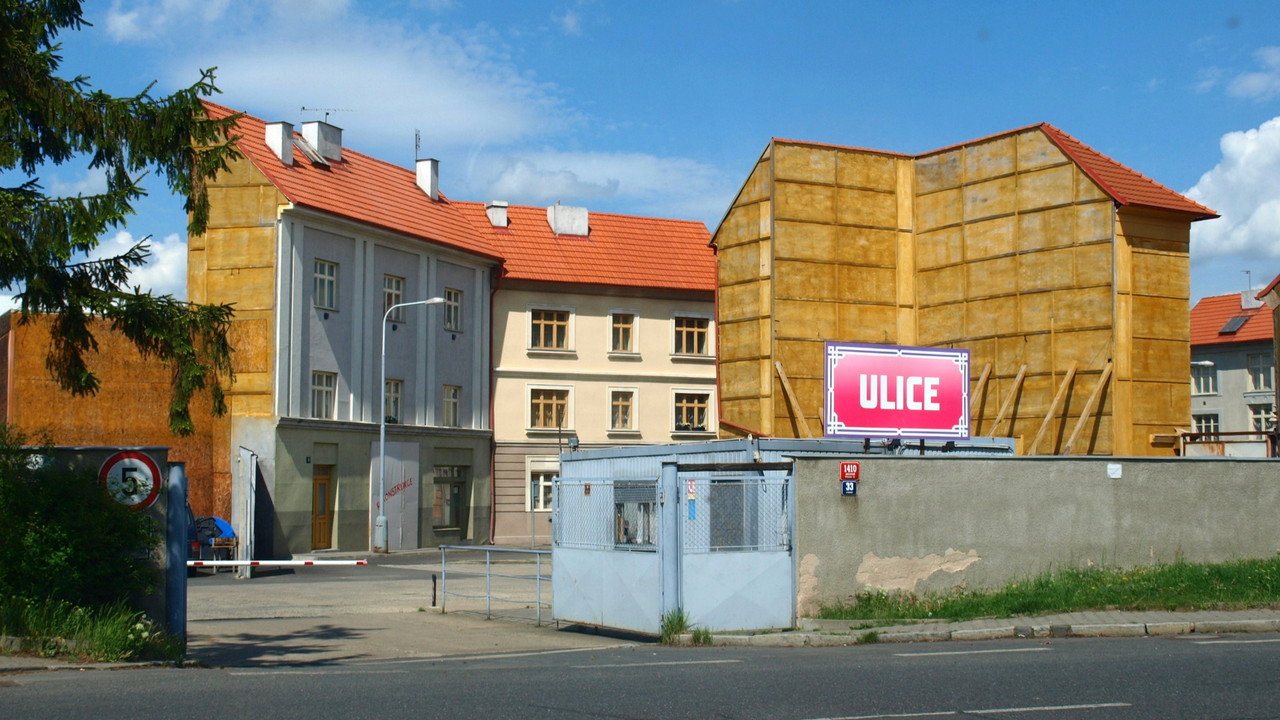
The Ending, Explained
Long-running soaps rarely offer a tidy final chapter, and this Czech staple is no exception. Because the show has aired for years and continues to build its world season after season, any discussion of the Ulice ending explained has to start with a caveat: there is no single, definitive finale that ties every thread into a bow. Instead, the series closes arcs for individual families while leaving the street itself alive and humming. That structure is deliberate. The drama was never built around one mystery to solve but around the daily grind of several households sharing the same pavement.
So when viewers ask what happens at the end of Ulice, the honest answer is that endings arrive in waves. A marriage reaches a breaking point, a secret comes to light, and someone who has been lying for months finally faces the consequences. Then, just as one chapter closes, another opens. That rhythm is the point.
What Happens
To understand the closing stretch, it helps to remember what the show is about. The narrative follows the Farský, Jordán, Boháč, Nikl, and Liška families as they navigate modern life in Prague. Divorce, betrayal, illness, and even crime sit alongside ordinary comedy and warmth. The final stretch pulls several of those threads tight at once.
Without giving away the early setup, the later episodes lean hard on the fallout from a love triangle that has been simmering quietly. A character who has been gambling behind a partner's back finally gets caught, and the confession lands harder than the act itself. Meanwhile, a pregnancy storyline forces a married couple to confront whether they are actually on the same page about their future. Adoption comes up as well, and it is handled with the show's usual mix of sentiment and blunt realism.
One thread involving a kidnapping gives the closing episodes their sharpest tension. It is not a thriller by design, but the soap uses the crisis to expose which characters will show up for each other and which ones disappear when things get hard. If you have followed similar ensemble dramas, the way this resolves will feel familiar in a good way — it is closer in spirit to the community-driven storytelling of Neighbours than to a high-stakes crime series.
By the time the last beats land, most of the central lies have been dragged into the open. Some people are forgiven. Others are not. That unevenness is what makes the conclusion feel earned rather than manufactured.
The Meaning Behind the Ending
The Ulice ending meaning is less about who ends up with whom and more about how a street absorbs change. The show has always treated its setting as a character. "Ulice" literally means street in Czech, and the closing episodes reinforce that idea: people leave, couples split, new residents arrive, and the pavement carries on.
That is why the finale does not try to freeze anyone in a happy pose. A soap that has run this long understands that closure is temporary. The final act suggests that forgiveness is possible but not guaranteed, and that honesty, however late, is worth more than a comfortable lie. The characters who grow are the ones who stop hiding.
It also quietly argues that family is not strictly biological. Adoption, step-relationships, and chosen bonds all get space in the last stretch, and the show treats them as equally real. For a series rooted in everyday problems, that is a fitting note to end on. Viewers who enjoy that kind of grounded, multi-generational storytelling might also appreciate the family focus of Blossom.
Themes You Might Have Missed
The closing episodes are dense, and a few threads are easy to overlook on a first watch. Consider these:
- Depression and sadness are not treated as plot devices. Several characters sit with grief rather than rushing past it.
- Infidelity and cheating ripple outward. The show is careful to show how a single betrayal damages more than the couple involved.
- Gambling functions as a stand-in for any hidden addiction — the secrecy does as much damage as the behavior.
- Motherhood appears in many forms, from biological parents to adoptive ones, and the show refuses to rank them.
- Crime is present but rarely glamorized. It is another pressure point on ordinary lives.
One subtle thread worth tracking is the way lies compound. A small dishonesty early on becomes the reason a bigger crisis lands so badly later. That cause-and-effect chain is the real engine of the final act.
If you are putting together your own Ulice finale recap, it helps to organize the closing episodes by household rather than by timeline. Each family resolves its own arc, and seeing them side by side makes the street's overall message clearer.
For viewers who like long-running ensembles where the community itself is the star, the show shares DNA with titles like Moesha, which also builds its drama around a tight circle of people learning to live with each other.
The Verdict on Ulice
As a whole, the series is a slow burn. Its rating sits modestly, and the production values are what you would expect from a long-running daily soap. But the writing understands its audience. The final episodes reward patience, paying off threads that were planted many seasons earlier, and they resist the urge to give everyone a perfect ending.
Anyone searching for Ulice explained in a single sitting should adjust expectations. This is not a show built around one twist. It is built around accumulation — small choices, repeated mistakes, and the slow repair of relationships. The conclusion honors that.
If you go in wanting a clean resolution to every question, you may come away frustrated. If you go in wanting to see how a group of ordinary families handles the messy business of living, the closing stretch delivers. It is warm, occasionally bleak, and honest about the fact that life on any street keeps moving.
Ulice Verdict
A grounded, character-first soap that earns its emotional beats through patience rather than shock. The ending will not satisfy viewers hunting for a single dramatic reveal, but it rewards anyone who has stuck with these families. Worth watching for fans of ensemble drama, slice-of-life storytelling, and shows that treat a neighborhood as a living thing.