Twin Peaks (1990): Mystery That Leads Cooper to His Own Soul
A look at how Twin Peaks (1990) follows Agent Dale Cooper from Laura Palmer's death into a woodland mystery that reaches his own soul.
October 26, 2026
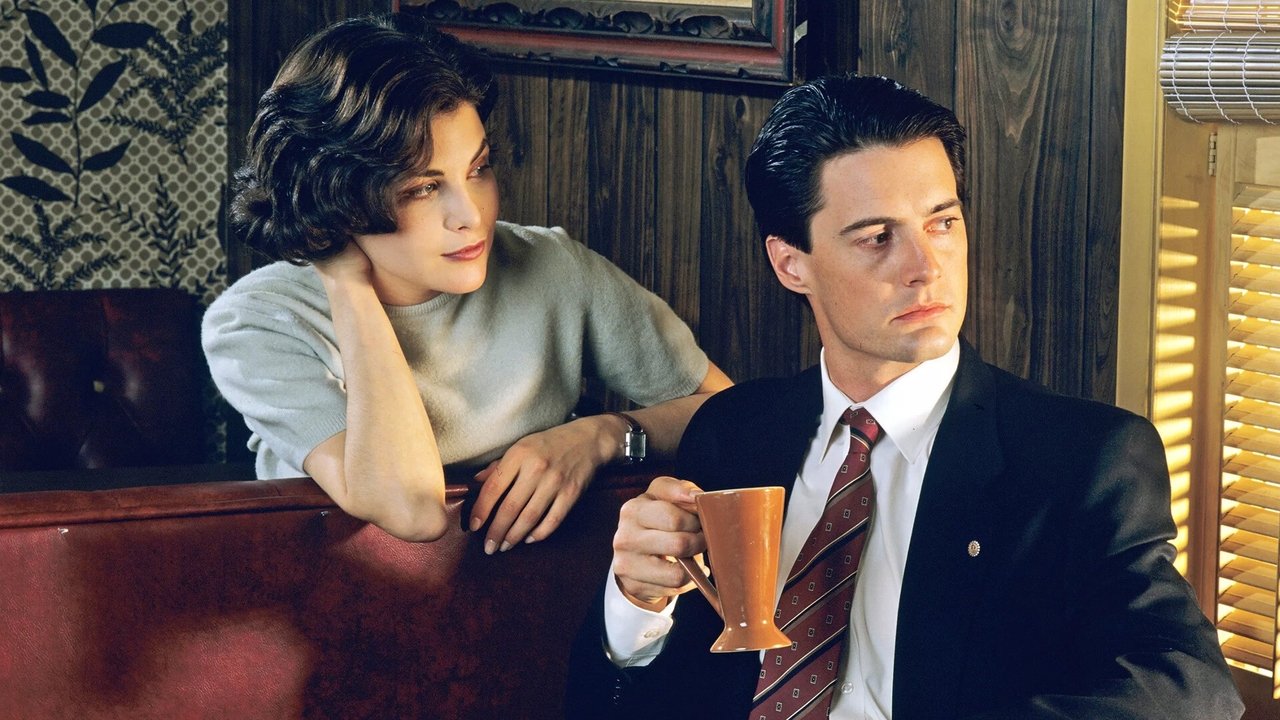
The Ending, Explained
When a serialized mystery reaches its closing chapter, audiences often crave clarity, yet the finale of this 1990 drama-mystery hybrid refuses to hand everything over easily. The Twin Peaks explained retrospective available in our catalog walks through the early questions, but here we focus only on the back half. Agent Dale Cooper, played by Kyle MacLachlan, has already been drawn into the Washington town's strange current. By the final act, his investigation pushes past the obvious small town secrets and into the surrounding forest, where surrealism and an alternate dimension reshape the rules. The tagline "It is happening again" echoes as the narrative circles back to inner turmoil rather than outer resolution. The blend of drama and mystery genres provides a scaffold, but the execution wanders into dream logic that the creators made signature. Cooper's cherry pie and coffee moments offer brief warmth before the woodland's chill returns.
With a rating of 8.3 out of 10 across 2746 votes, the show clearly earned trust from viewers who enjoy ambiguity. The last episodes lean on possession, supernatural signals, and a journey that the plot summary describes as leading Cooper deep into the heart of the woodland and his very own soul. We will not detail the first act, but understand that the conclusion is less about naming a serial killer and more about confronting a distorted mirror of reality. The soap-opera homage format that framed the town's eccentric residents gives way to something far stranger.
What Happens
The later portion of the series accelerates into bizarre territory. Our what happens at the end of Twin Peaks brief sticks to the unseen turning point: Cooper crosses thresholds that separate the ordinary hamlet from a frightening otherplace. Characters such as Sheriff Harry Truman and Audrey Horne remain tangled in their own subplots, but the central agent faces an entity tied to possession and the forest's shadow. The viewer witnesses physical transformations and teleportation-like shifts that the original daytime serial tribute had only teased.
Without revealing the opening crime scene, we can say that the closing movement trades easy answers for a plunge into surreal imagery. The FBI training, the coffee-loving optimism of Cooper, and the deputy sheriff's grounded presence all collide with a reality where domestic abuse and a brothel's hidden economy connect to something larger. High school friendships and local politics fade as the alternate dimension takes center stage. The presence of the Yakuza, drawn from the wider mythos, colors the town's underbelly without distracting from the central metamorphosis.
The Meaning Behind the Ending
Symbolism runs thick through the woodland sequences. The Twin Peaks ending meaning essay from a colleague suggests that Cooper's ordeal represents the search for self beneath constructed identity. A small town often masks collective denial; the finale strips that mask. When the agent stares into the otherworldly space and faces a possessed form, the story argues that evil is not only a serial killer abroad but a fracture inside everyone.
This is why the show, though labeled drama and mystery, feels like a spiritual cousin to surrealist film. The ending asks whether rescue is possible once possession takes hold. The rating and enduring fan base prove that ambiguity can be more satisfying than a tidy arrest. Cooper's soul-searching in the trees becomes a metaphor for any viewer who has ever felt the ground of their life shift unexpectedly.
Themes You Might Have Missed
Beyond the surface, the production plants subtle threads. The Twin Peaks Laura Palmer death mystery sets the tone but the ending transcends it, weaving in a brothel, a high school, and the constant presence of the FBI. Coffee acts as a comfort ritual amid surrealism, while the forest itself is a character. Domestic abuse and the specter of a serial killer inform the darkness, yet possession and an alternate dimension lift the tale into myth.
If you appreciate slow-burn psychological crime, you should also watch Hannibal, which similarly blends refined horror with intimate character study. Both works trust the audience to sit with discomfort rather than demand immediate resolution.
Other quiet motifs include the deputy sheriff's loyalty and the town's addiction to secrets. Themes of surrealism are not just decoration; they expose how a community ignores pain until it manifests in the woods. By the final frame, the line between investigation and introspection disappears.
Twin Peaks: The Bottom Line
For newcomers, the Twin Peaks ending explained companion piece on our blog may smooth the confusion, but the series rewards repeated viewing. Kyle MacLachlan anchors the weirdness with earnest charm, making the plunge into alternate dimensions feel personal. With 2746 voters granting 8.3/10, the consensus is that this 1990 mystery remains essential.
Viewers who enjoyed the isolated-town tension can try Wayward Pines, a later serial that also traps characters in a seemingly normal place with underlying terror. The resemblance is strong enough to satisfy those craving more forest-side dread.
Twin Peaks Recap
To sum up without spoilers: a body on a beach near Twin Peaks pulls FBI Special Agent Dale Cooper into a web of mystery that expands far beyond a small Washington setting. The final act, as we have broken down, uses possession, surrealism, and an alternate dimension to reframe the entire inquiry. Genres listed as drama and mystery only scratch the surface of what the 1990 release accomplishes.
For a modern take on ensemble whodunits, consider Death and Other Details, which mirrors the polished paranoia of a luxury containing hidden crimes. Both titles remind us that the most gripping stories often live at the edge of the explained and the unknowable.
The tagline "It is happening again" lingers because the ending is cyclical. Whether you seek answers or simply want to ponder the forest's call, the show stands as a milestone of television that respects the viewer's intelligence and imagination.