True Detective (2014): A Dark Anthology of Secrets
True Detective (2014) is an anthology police series using multiple timelines to reveal secrets of those within and outside the law.
October 24, 2026
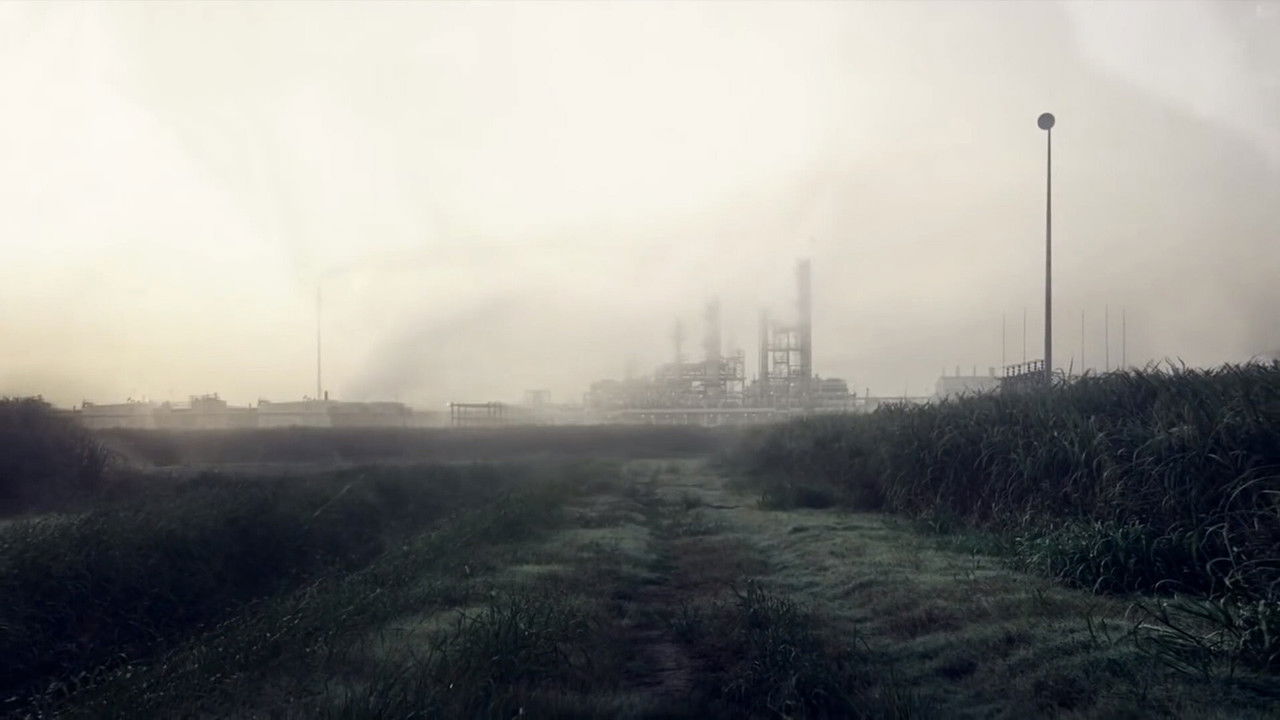
The Ending, Explained
True Detective stands as an American anthology police detective series that uses multiple timelines to uncover secrets among those bound by law or working against it. For viewers who came in late, our full True Detective explained guide catches you up on the structure without ruining the early tension. The show weaves a murder mystery through nonlinear storytelling, letting each episode reveal another layer of a sprawling investigation. With a tagline like "The truth lies in the dark," the program promises that revelation comes only after a long descent into uncomfortable territory.
The anthology structure means each chapter can reset its location and personnel, yet the preoccupation with a nonlinear timeline stays. A murder investigation might jump from a present interview room to a years-past crime scene, building a police investigation that feels like archaeology. The presence of a serial killer in the backdrop pushes the detectives toward questions of evil rather than simple procedure.
The ensemble across the run includes Jodie Foster, Kali Reis, Fiona Shaw, Finn Bennett, Isabella Star LaBlanc, John Hawkes, and Grace Pitts, each bringing weight to characters who carry personal baggage into the case. The runtime may vary by chapter, but the tone remains consistent: a patient dread that rewards close attention. If you enjoy methodical crime stories, you may also appreciate Inspector Morse, a classic that similarly traps a detective between duty and private demons.
What Happens
Without crossing into the opening acts, we can say the back half of the season forces the timelines to collide. Many fans ask what happens at the end of True Detective, and the answer lies in how the investigation finally exposes both professional misconduct and intimate regret. The murder investigation that began as a cold trail becomes a mirror held up to the people running it. By the final hours, the serial killer thread and the police corruption subplot are no longer separate; they knot together in a way that recontextualizes earlier scenes.
The murder mystery does not resolve with a neat arrest; instead, the final episodes emphasize the weight of evidence gathered across years. Police corruption enters the frame as officers realize their own colleagues may have obstructed the murder investigation. The performances anchor this convergence. Jodie Foster's hardened officer and Kali Reis's relentless trooper illustrate how two different approaches to justice can still arrive at the same painful truth. For those who want another layered procedural, Law & Order Toronto: Criminal Intent offers a comparable look at detectives navigating political pressure while chasing a culprit.
The Meaning Behind the Ending
The True Detective ending meaning becomes clear when you consider the personal cost of the investigation. This is not a story that celebrates closure; it suggests that understanding a crime means absorbing a piece of its darkness. The final act underscores the tagline, proving that the truth does indeed lie in the dark corners of human behavior rather than in tidy confessions.
This True Detective ending breakdown shows why the final confrontation matters less as a puzzle solved and more as a philosophical statement. The anthology format allows each chapter to question whether a police detective can ever remain uncorrupted by the work. When the last timeline snaps into place, the audience recognizes that the murder mystery was always secondary to the examination of those who hunt the guilty.
At its core, the ending meaning is about acceptance. The characters learn that some truths cannot be undone, only carried forward. Fans of slow-burn psychological crime might find a kindred spirit in Waking the Dead, a series that also digs into cold cases while exposing the fragility of the people assigned to them.
Themes You Might Have Missed
Even after reading a True Detective ending explained essay, you might overlook the quieter motifs woven through the background. Philosophy sits alongside the detective work, asking whether fate or free will drives a serial killer. Police corruption is not presented as a single bad apple but as a system that quietly enables silence. The nonlinear timeline is itself a theme: memory and evidence refuse to arrive in order, mimicking how a real murder investigation unfolds.
Other undercurrents include the tension between personal loyalty and professional oath. The characters repeatedly face moments where protecting a colleague means hiding a fact from the police investigation. Such choices ripple outward, suggesting that the murder at the center is only the most visible wound. The serial killer motif also ties into the philosophy of decay, a thread that rewards rewatching with closer attention.
Our Take on True Detective
The series earns its 8.294 out of 10 rating from more than four thousand votes by refusing to flatten complexity. It trusts the viewer to sit with ambiguity. While some may wish the final episodes tied every thread, the strength of the writing is that it leaves certain doors open. The blend of drama and mystery feels earned, and the anthology frame means future stories can reinvent the formula without losing the core identity.
We value how the show treats its audience as adults capable of holding contradictory feelings about the characters. A police detective can be competent and compromised; a murder mystery can be both solvable and soul-shaking. That balance is rare on free streaming platforms, and it makes the ride worth taking. The rating reflects a consensus that ambition outweighs occasional pacing lulls.
True Detective Recap
To sum up, the program is an anthology police detective series built on multiple timelines and secrets that reach inside and outside the law. The plot summary promises investigations that unearth personal and professional truths, and the final act delivers on that promise by forcing every hidden thing into the light. With a tagline like "The truth lies in the dark," the journey is less about who did it and more about what the hunt reveals in us.
Whether you start with the early chapters or jump to the later ensembles featuring Jodie Foster and Kali Reis, the experience holds together. The target phrases we explored—ranging from broad explanation to focused breakdown—all point to the same conclusion: this is television that respects the intelligence of its audience. For a free stream night, few offerings match its mixture of philosophy, dread, and patient detective work. From the tagline to the final image, the series argues that darkness is not merely a setting but a condition of the work.