This Is Us (2016): Three Lives Entwined by One Date
This Is Us (2016) follows three adults whose intertwined lives reveal a shared birthday and unexpected connections.
October 25, 2026
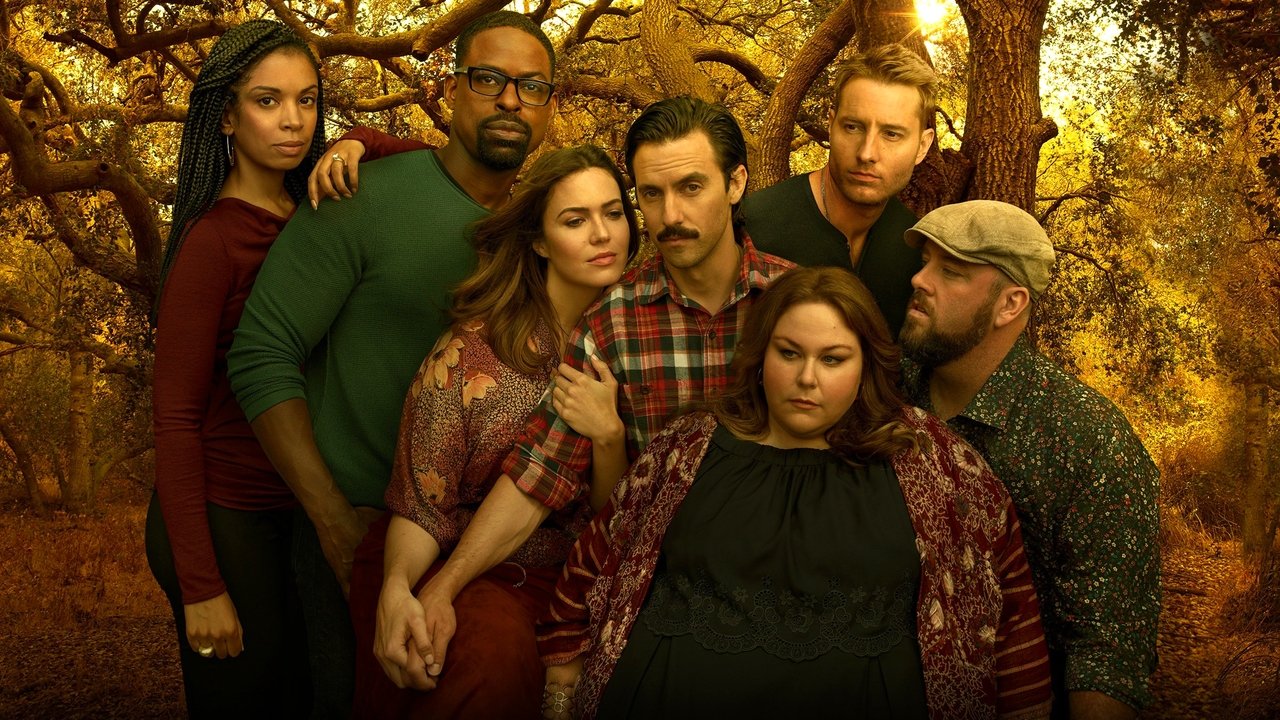
The Ending, Explained
The final chapter of the ensemble drama brings together the intertwined stories of three adults who share a birthday and a deeper connection than they first realize. The finale, which fuels This Is Us ending explained discussions, avoids early spoilers while honoring the show’s tagline about real life and love. Without spoiling the early episodes, it is fair to say that the conclusion honors the themes of family and loss. The characters portrayed by Milo Ventimiglia, Mandy Moore, Sterling K. Brown, Chrissy Metz, Justin Hartley, Susan Kelechi Watson, Chris Sullivan, and Jon Huertas each reach a point where past decisions echo into their future. The writing avoids cheap twists, instead opting for emotional closure that feels earned.
We see the payoff of storylines involving adoption, addiction, and grief that have simmered beneath the surface. The final act does not introduce new mysteries; it illuminates the ones already planted. That approach lets the audience sit with the weight of family conflict and the comfort of sibling relationship. By the time the last scene fades, the viewer understands that the shared date of birth was never just a coincidence but a structural metaphor for how lives overlap.
What Happens
We examine the culmination, what happens at the end of This Is Us, with a focus on character resolution rather than setup. The three central figures, along with their extended families, confront the unresolved bereavements that have shaped them. Conversations about loss of loved one become open rather than hidden. A character who battled dependency finds a measure of peace, while another reconciles with a parent’s absence. The show uses its signature flashback technique sparingly in the finale, choosing instead to let the present-day interactions carry the emotion. Romance that was tested by distance and misunderstanding finds a realistic resting place. No character is left exactly as they began, which is the point.
The closing hours also weave in the broader ensemble, showing how the younger generation absorbs the lessons of their elders. Family relationships that seemed fractured in earlier stretches are shown with new elasticity. It is a quiet resolution, not an explosive one, and that restraint is part of its power. The narrative confirms that the curious ways their paths crossed were always heading toward mutual recognition.
The Meaning Behind the Ending
We revisit the theme, This Is Us ending meaning clear by the final frame, without reducing it to a single lesson. The finale suggests that knowing where you come from does not erase pain but gives it context. Grief and grieving are presented as ongoing processes rather than obstacles to be defeated. The shared birthday motif evolves into a symbol of collective endurance: these people are separate individuals yet part of a single human tapestry. The ending also implies that love expressed imperfectly is still love, and that family conflict can coexist with deep devotion.
Another layer involves legacy. The show asks whether we repeat the patterns of those who raised us or consciously redirect them. By the final act, several characters choose redirection, breaking cycles of avoidance and shame. That choice is the true victory, more than any external event. The meaning, then, is less about a plot point and more about an emotional posture toward life’s transience.
Themes You Might Have Missed
Beyond the obvious focus on family, the series quietly examines several motifs worth revisiting. A list of recurring ideas includes:
- Sibling relationship tested by expectation and favoritism
- Loss of loved one handled through varied coping styles
- Adoption as both gift and complex identity question
- Addiction and the long road of recovery
- Romance that survives miscommunication
- Flashback as a tool to contrast past and present selves
- Grief and grieving as communal rather than solitary
- Family relationships strained by unspoken truths
- Family conflict resolved through vulnerability
The show features warmth, This Is Us sad moments tempered by jokes, across its run. The gentle comedic beats remind us that real households laugh even mid-crisis. If you appreciate layered family sagas, you might also enjoy I Know This Much Is True, which also delves into sibling bonds and personal struggles.
Our Rating for This Is Us
The aggregate score of 8.2 out of 10 from 1682 votes reflects a strong consensus among viewers. That number is not just a statistic; it signals how many people found something resonant in the storytelling. While The Summer I Turned Pretty offers a lighter take on romance and family, this series earns its 8.2 score through emotional depth and structural ambition. The performances across the board, from the leads to recurring players, ground the sometimes sweeping narrative in tangible feeling. For a show that could have relied on sentimentality, it instead builds credibility through specific details of everyday life.
The complete saga, This Is Us explained through inherited wounds and small mercies, justifies the high rating. The score underscores that audiences rewarded the risk of mixing timelines and tone. It remains a benchmark for character-driven drama on the platform.
This Is Us in Short
In condensed form, the program is a multi-generational portrait of Americans whose lives intersect through birthdays, adoption, and shared sorrow. The finale delivers closure without neat bows, trusting the audience to find meaning in muted victories. For viewers who like meditative looks at mortality, Six Feet Under pairs well with the reflective tone found here. The tagline “This is real. This is love. This is life.” encapsulates the mission. Between the heartbreaking beats and the hopeful ones, the work stands as a testament to the messy grace of kinship. Whether you arrive for the romance or stay for the grief work, the journey rewards attention.
Newcomers should start from the beginning to appreciate the payoff, but even latecomers can grasp the essential truth: the characters’ intertwined fates show that nobody navigates loss alone. That is the quiet lesson of the closing act, and it is why the show continues to draw streams long after its initial run.