Therapy Done Right (2026): When the Analyst Crosses the Line
A disillusioned psychoanalyst breaks every rule to unblock a novelist in this cutting Argentine dark comedy.
October 17, 2026
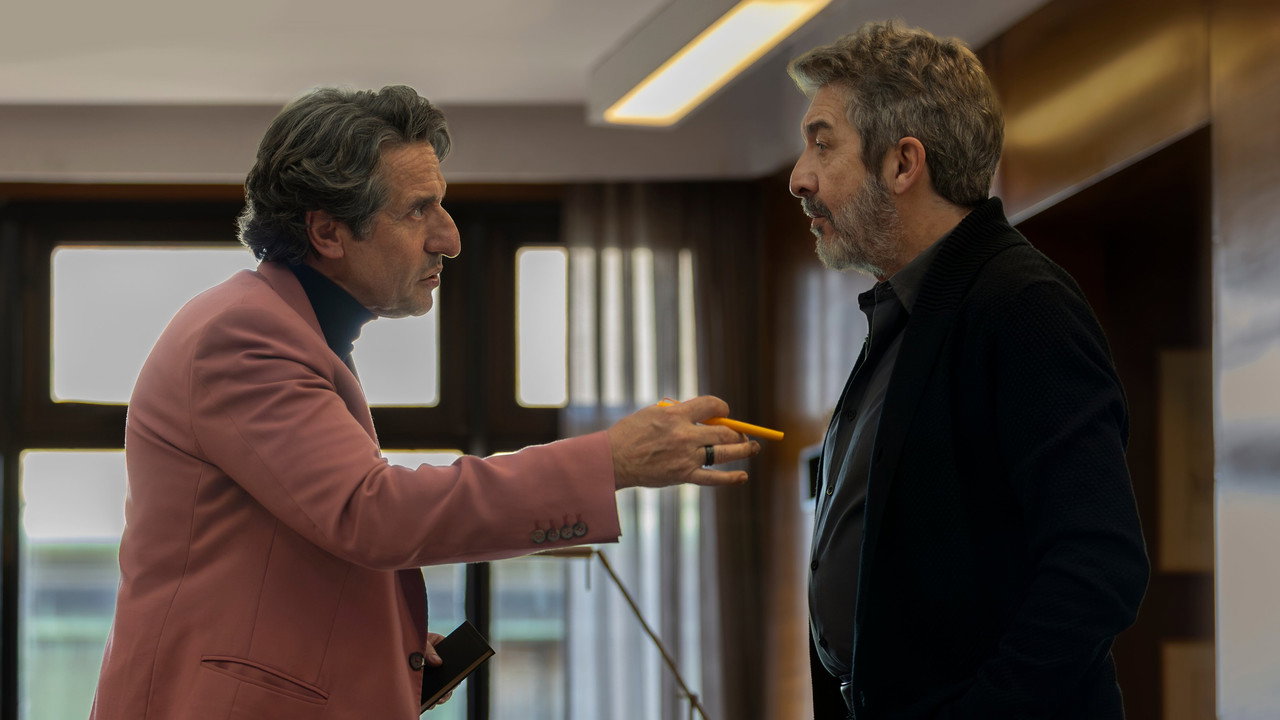
The Ending, Explained
Every film that deals with mental health runs the risk of becoming a lecture, yet this Argentine dark comedy avoids that trap by the time the credits roll. Without revealing the early setup, we can say that the closure focuses on the unusual bond between a disillusioned analyst and a writer unable to produce. The final act refuses to tie things up with a neat clinical bow. Instead, it leans into discomfort, asking whether care can exist outside the rulebook. Viewers who appreciate ambiguous resolution will find much to chew on.
The runtime of ninety seven minutes keeps the pacing tight, and the last twenty minutes reframe everything that came before. Hernán Goldfrid directs with a steady hand, letting the cast’s expressions carry the weight of the finale. Rather than explaining a twist, the ending explains a relationship. The psychoanalyst who lost faith in traditional therapy sees the results of crossing every boundary, and the blocked novelist confronts a new reality. This is a breakdown of meaning, not a spoiler of plot mechanics.
We should note that the rating of seven point five out of ten from a pair of voters shows the film is still finding its audience. Yet the craft on display suggests a movie that rewards patient viewing.
What Happens
By the conclusion, the psychoanalyst who started the story skeptical of standard methods has fully abandoned convention. The blocked novelist, played within a strong ensemble featuring Ricardo Darín and Diego Peretti, reaches a point where words begin to flow again. We will not detail the inciting incidents, but the trajectory shows a gradual erosion of professional distance. In the later sequences, the pair occupies spaces that would horrify any ethics board, yet the film paints these moments with humor rather than scandal.
The cutting tone never softens, even as the emotional stakes rise. Secondary figures like Inés Efrón, Carlos Santamaría, Miriam Odorico, Antonia Bengochea, Andrea Politti, and Patricia Echegoyen populate the world, making the final act feel lived in. Their presence reminds us that the central duo’s experiment affects a wider circle.
If you enjoy stories where mentors cross lines for a greater human goal, you might also like Live Twice, Love Once, a movie that similarly blends warmth with rule breaking. Both films trust the audience to interpret ambiguous actions. The Argentine setting adds a distinct cultural flavor to the events, with Buenos Aires atmospheres hinting at isolation amid crowds.
The Meaning Behind the Ending
The Argentine production Therapy Done Right 2026 subverts expectations by suggesting that healing might require treason against textbook practice. The finale is less about solving a mystery and more about accepting messy connection. When the novelist finally breaks through, it is not because of a correct diagnosis but because someone cared beyond protocol. This mirrors the film’s clear thesis: traditional therapy can lose its soul, and only raw, boundary defying presence restores it.
The meaning is reinforced by the performances of the lead actors, who ground the absurdity in reality. A viewer who expects punishment for the analyst will instead find ambiguous grace. That choice elevates the picture above standard comedy drama fare. The ending asks whether we can ever truly help another without sacrificing our own comfort, and it leaves the answer open. Such restraint is rare in modern streaming content.
Furthermore, the dark comedic label fits because the final act generates laughs that taste slightly of guilt. The audience is invited to question its own adherence to rules. By refusing to condemn the crossing of boundaries, the film positions itself as a sly critique of institutional care.
Themes You Might Have Missed
Beneath the laugh out loud moments lies a meditation on professional limits. The crossing of every boundary is not just shock value; it questions where help ends and harm begins. Another subtle thread involves artistic blockage as a symptom of spiritual emptiness, not mere schedule pressure. The dark comedic style masks a serious look at loneliness in modern life.
Fans of character studies might appreciate Wild Oats, which also follows outsiders rejecting social norms. The cast including Carlos Santamaría and Miriam Odorico add texture to these ideas, showing how secondary characters echo the main dilemma. Even the runtime of ninety seven minutes hints at a theme of efficiency versus depth, compressing therapy into a sprint. The film’s tagline is absent, but its title speaks to a paradoxical idea: doing therapy right may mean doing it wrong by the book.
Attention to small gestures reveals a theme of communication beyond language. The blocked novelist’s silence early on contrasts with later expression, underscoring that healing is shown not told. The ensemble’s interplay, featuring Andrea Politti and Patricia Echegoyen among others, weaves these motifs into everyday scenes.
Final Verdict on Therapy Done Right
Topics like boundaries are covered in Therapy Done Right review articles that circulate on our blog, but the film itself deserves a fresh look at its closing scene. The rating of seven point five from early viewers suggests a polarized but engaged audience. With a cast led by Ricardo Darín and Diego Peretti, the project feels like a confident swing at a tired genre. The director Hernán Goldfrid balances farce and feeling, ensuring the ending lands with weight.
Those who want more unconventional companion stories could enjoy A Dog Year, a different take on personal change. Overall, the picture succeeds as a cutting Argentine dark comedy that respects its viewers’ intelligence. It does not spoon feed messages, and the final act rewards close attention. The limited votes so far mean the score may shift, but the artistic intent is clear.
We recommend watching without preconceptions about therapy movies. The blend of comedy and drama keeps the mood buoyant even when the subject turns heavy.
Therapy Done Right FAQ
Below are common questions about the film’s conclusion and tone.
- Is the first act spoiled in this breakdown? No, we deliberately avoided early plot points to keep the experience intact for new viewers.
- What genre does the film belong to? It is a comedy drama with dark comedic edges, running ninety seven minutes.
- Who leads the cast? Ricardo Darín and Diego Peretti headline, joined by Inés Efrón, Carlos Santamaría, Miriam Odorico, Antonia Bengochea, Andrea Politti, and Patricia Echegoyen.
- Does the ending punish the therapist? Without spoilers, the finale embraces ambiguity rather than moralizing, leaving judgment to the audience.
- Where can I learn more? Our site hosts related pieces, but this article focuses on the ending’s meaning and themes.
The available rating of seven point five out of ten reflects a small but receptive group of voters. As more audiences watch, the conversation around this Argentine release will grow, and the ending will surely spark debate about what good care looks like.