The X-Files (1993): Mulder and Scully's Paranormal Case Files
An SEO overview of The X-Files (1993) where FBI agents Mulder and Scully probe marginalized paranormal cases.
October 20, 2026
The Ending, Explained
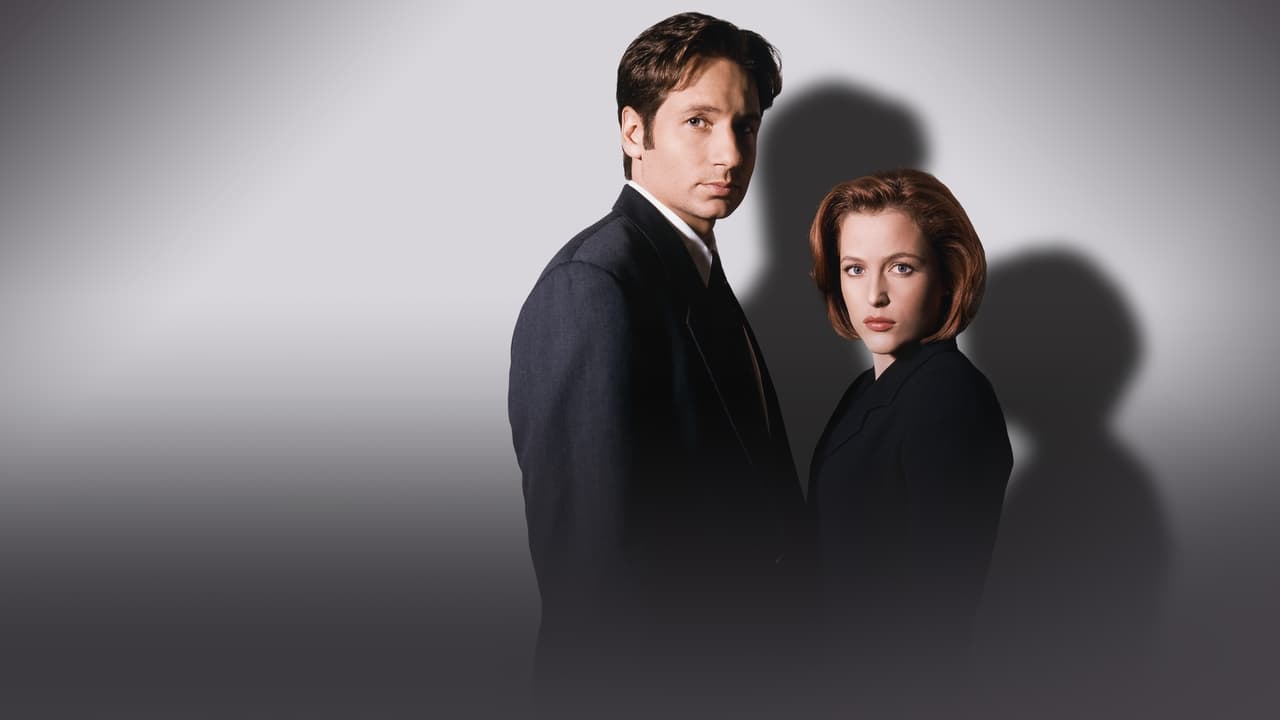
When a series runs long enough to become a cultural landmark, audiences naturally crave closure. Our goal here is to provide The X-Files ending explained without dragging readers through the early episodes that set up the central puzzle. The program, which first aired in 1993, built its reputation on a simple but potent hook: two FBI agents assigned to files that nobody else would touch. Fox Mulder, played by David Duchovny, carries a fervent belief in extraterrestrials and the supernatural. Dana Scully, brought to life by Gillian Anderson, is the assigned skeptic, tasked with applying rigorous science to debunk her partner's obsessions. Across its runtime, the show earned a strong audience score of 8.369 out of 10 from more than 3,700 voters, a sign of how deeply it connected.
The tagline "The truth is out there" became a catchphrase precisely because the narrative rarely hands that truth over. Instead, the closing chapters emphasize the endurance of the hunt. We will not spoil the initial character introductions or the first major case, but we can say that the finale pays off the emotional core rather than wrapping every conspiracy thread. This approach rewards patient viewing and leaves room for personal interpretation.
What Happens
Many viewers wonder what happens at the end of The X-Files, and the answer lies in emotional resolution more than tidy plot closure. The final stretch of the saga revisits the partnership that anchored the entire run. Rather than a sudden twist that invalidates prior events, the last act reinforces the dynamic between belief and doubt. Mulder's quest for validation and Scully's measured analysis reach a quiet understanding that feels earned after years of friction.
The structure of the series always balanced standalone mysteries with a slow-burning overarching plot. In the closing scenes, the standalone flavor and the serialized thread intertwine, showing that the personal stakes outweigh the need for institutional confession. Nobody from the government steps forward with a full disclosure, yet the characters find a way to continue. That restrained conclusion is part of why the show still sparks discussion.
If you enjoy tense procedural pairings, you may also appreciate The Blacklist (2013), which also centers on criminal pursuit and hidden agendas.
The Meaning Behind the Ending
Fans often debate The X-Files ending meaning after a rewatch, noting how the conspiracy lingers without resolution. The significance of the final act is less about revealing aliens and more about the human response to uncertainty. By refusing to confirm every shadow, the writers honor the tagline's promise that truth remains external, always just beyond grasp. The ending suggests that faith—whether in the paranormal or in another person—is its own form of evidence.
This thematic choice elevated the standard for television drama. The hour-long format became a canvas for complex storytelling, showing later creators what serialized mystery could achieve. While comedic space operas such as Red Dwarf (1988) treat the cosmos as a joke, this series insists on the weight of its mysteries. The contrast highlights how a somber tone can make marginal cases feel urgent.
Themes You Might Have Missed
The mythology is dense, yet The X-Files explained never loses its focus on the two agents. At its heart, the show is a study of how institutions handle the unknown. The FBI backdrop provides a bureaucratic frame for tales of UFO sightings, supernatural power, and American folklore. Conspiracy and government cover-up weave through the background, but the foreground always returns to personal conviction.
The show is episodic, but The X-Files paranormal cases build a larger tapestry of unease. From rural legends to laboratory anomalies, each investigation feeds the central question of whether the official story can be trusted. Themes of paranormal investigation and phenomenon exploration appear in nearly every installment, reminding us that the marginalized files are really about society's blind spots.
Viewers who prefer laboratory-led puzzles might enjoy Eleventh Hour (2008), a show that shares the scientific counterbalance to strange events.
Should You Press Play on The X-Files?
For those browsing a free streaming catalog, the question of whether to start this 1993 mystery-science hybrid is easily answered. The blend of crime procedural and sci-fi fantasy offers something rare: weekly self-contained stories plus a mythos that rewards long-term commitment. David Duchovny and Gillian Anderson share a chemistry that carries even the most outlandish premise. If you like investigations that flirt with the impossible while staying rooted in character, this is a pressing-play situation.
The genres listed—Mystery, Sci-Fi & Fantasy, Crime—only scratch the surface. Episodes range from eerie campfire terror to cold laboratory deduction. The rating of 8.369 signals a consensus that the highs outweigh the lows. New viewers should expect some dated production choices, but the writing remains sharp and the central duo compelling.
The X-Files Verdict
Ultimately, the series stands as a benchmark for serialized television. Its influence can be seen in countless later programs that mix case-of-the-week formats with overarching enigmas. The unresolved final act is not a flaw but a feature, inviting each generation to interpret the silence for themselves. With a tagline that still resonates, a dedicated cast, and a treasure trove of paranormal inquiry, The X-Files remains essential viewing for anyone curious about the space where FBI files meet the fantastical.
Whether you arrive for the aliens, the conspiracy, or the chemistry, you will find a show that respects your intelligence. The truth may still be out there, but the journey to look for it is thoroughly entertaining.