The Wire (2002): How Systems Outlast the People in Them
A look at how The Wire portrays Baltimore's drug war as a permanent bureaucracy eroding moral lines.
October 27, 2026
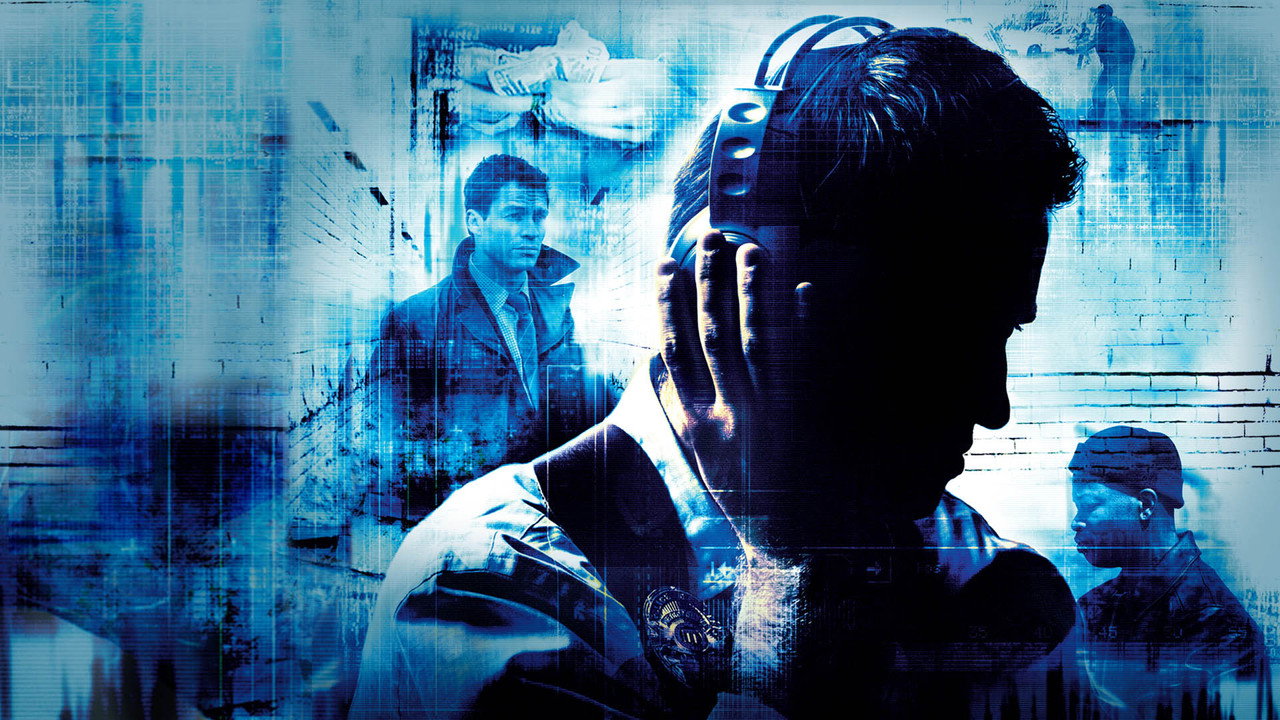
The Ending, Explained
When people talk about a long-form crime drama that refuses to give easy answers, they are often really asking for Sons of Anarchy or something with a cleaner moral map. The Wire is different. For viewers who reach the last episodes and feel unsure where the story landed, a proper The Wire explained approach helps: the show is less concerned with wrapping up a case than with showing how systems survive the people inside them.
The series follows Baltimore through the overlapping perspectives of homicide detectives, narcotics officers, and the drug dealers they pursue. By the final stretch, the institution has absorbed every victory and every loss. That is the point. The finale does not deliver a final raid that fixes the city. It shows the next shift starting, the next deal happening, and the same machinery turning.
What Happens
To understand what happens at the end of The Wire, it helps to remember that the show was never built around a single protagonist who wins. In the closing movement, the major players from the police, the streets, and the political world each face the consequences or continued momentum of their choices. Some are promoted, some are imprisoned, some are killed, and some simply keep working. The camera lingers on ordinary continuation rather than climax.
A useful The Wire series finale breakdown notes that the final images repeat visual rhythms from earlier seasons: a body on the pavement, a wiretap room humming, a corner boy hustling. The narrative suggests that removing one drug dealer or one corrupt official changes little, because the structure that produced them remains intact. The last scenes are quiet, almost observational, which is why some first-time viewers expect something louder.
This is not a spoiler of the opening. The early mystery of a particular investigation is long resolved by then. What remains is the slower truth about Baltimore as a place where the war on drugs has become permanent bureaucracy.
The Meaning Behind the Ending
The The Wire ending meaning becomes clearer when you stop looking for a hero's conclusion and start reading the ending as a statement about institutions. The show argues that good and evil are not fixed teams. A police detective can be compromised by power politics; a drug dealer can show loyalty that the system never rewards. The finale implies that the game continues with or without any individual.
Part of The Wire ending explained is recognizing that the last episode is deliberately anticlimactic. That restraint is the message. Urban decay and organized crime are not solved by one bust. Surveillance technology and ambitious prosecutors come and go, but the mechanisms of the city keep running. The ending means the story was never about a case being closed.
Themes You Might Have Missed
Beyond the obvious crime framing, the show treats the newspaper as a failing institution, politics as performance, and the school system as another front in the same war. Corruption is not a few bad actors; it is the grease for daily operations. Drug trafficking funds lifestyles and funerals alike, and the line between police and gangster often blurs under pressure.
Viewers who enjoyed the structural critique here may also appreciate Power, which examines power and loyalty from a different angle. Both shows understand that organized crime and official authority are sometimes just rival franchises. The Wire, however, spends more time on the mundane paperwork and the quiet compromises that keep Baltimore moving.
Another theme is surveillance as routine rather than revelation. Wiretaps do not magically solve anything; they produce transcripts that get lost in bureaucracy. That realism is why the series feels less like a procedural and more like a portrait of a city eating itself slowly.
The Wire: The Bottom Line
The Wire earned an 8.6 out of 10 across roughly 2,880 votes, and that score reflects how many viewers return to it as a rare crime drama that respects their intelligence. It is not a show that rewards impatience. If you came for a tidy finale, the last episode may feel like nothing happened. If you came to understand how a city works, the ending is exactly right.
For those who want a comparison point, Mayans M.C. offers a tighter focus on one organization, while The Wire spreads its attention across an entire ecosystem. Both are worth a stream, but only one treats the ending as a mirror rather than a curtain.
The bottom line is simple: this is a series about systems, not resolutions. The final act confirms that the wire keeps recording, the corners keep selling, and the police keep filing reports.
The Wire Key Details
The Wire is a crime drama set in Baltimore, USA. Its tagline is "Listen carefully." The main cast includes Dominic West, Lance Reddick, Sonja Sohn, Wendell Pierce, Michael Kenneth Williams, Deirdre Lovejoy, Andre Royo, and John Doman. The story is told from the points of view of both the Baltimore homicide and narcotics detectives and their targets.
Key themes include corruption, newspaper decline, drug trafficking, the life of a drug dealer, gangster culture, police work, organized crime, the role of a police detective, surveillance, power politics, and urban decay. The series captures a universe in which the national war on drugs has become a permanent, self-sustaining bureaucracy, and distinctions between good and evil are routinely obliterated.
If you are new to the show, do not expect the finale to explain everything through dialogue. The most useful The Wire explained reading acknowledges that the last episode is a continuation, not a conclusion. The details above are the stable facts; the meaning is something each viewer assembles from the patterns the show repeats until the very end.