The Whistler (2026): Grief Confronts Supernatural Forces
Nicole and Sebastian inherit a remote Venezuelan farm and confront dark forces after losing their daughter.
October 15, 2026
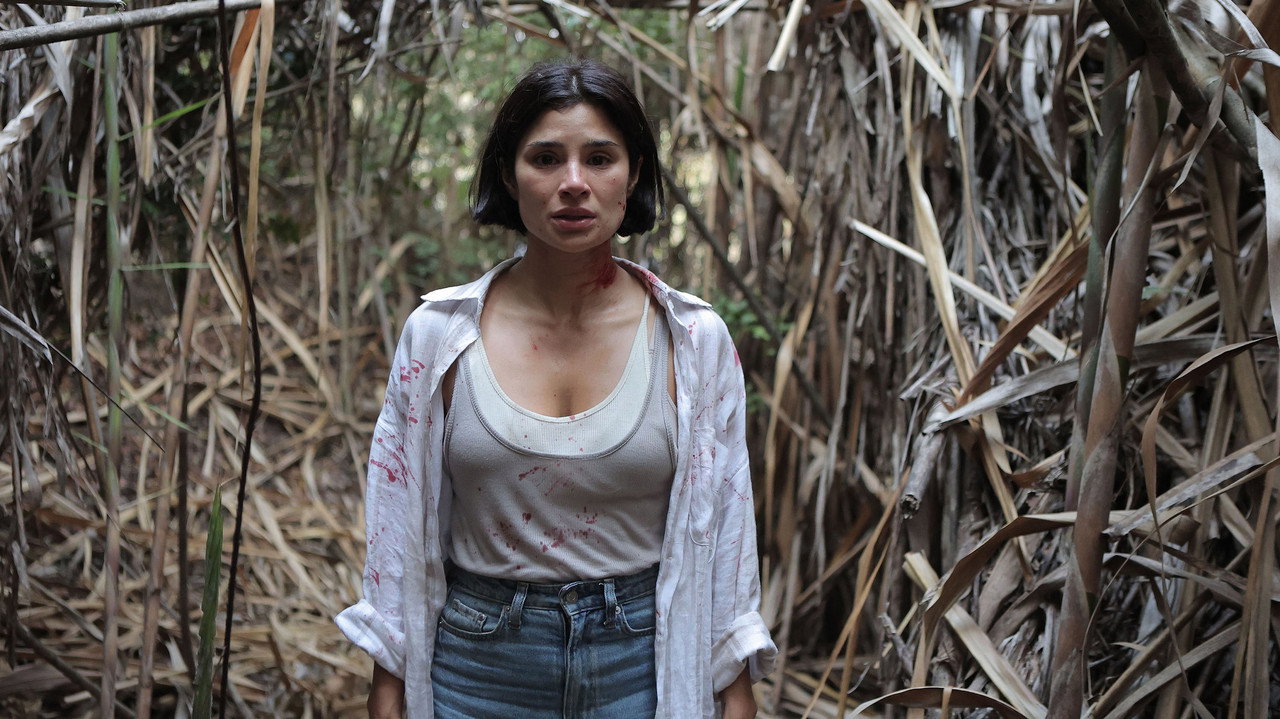
The Ending, Explained
Reeling from the death of their child, Nicole and Sebastian take ownership of a remote Venezuelan farm, and the story soon turns toward forces that defy reason. To respect your experience, this section avoids the early steps that bring them to the property. Instead, the focus stays on the final movement. Our segment The Whistler ending explained follows the closure without touching the early mystery. By the last twenty minutes, the couple must answer for choices shaped by sorrow. The film's director Diego Velasco uses the 97 minute runtime to build a slow burn that pays off in images rather than exposition. Viewers who appreciate mood over strict logic will find the finale provocative.
The concluding act draws on supernatural horror and family drama, weaving local folklore into a tale driven by grief. While the reference point of a couple facing a haunted inheritance is familiar, the specific myth here feels fresh. The ending does not rely on a twist so much as a culmination. It asks whether the characters can break a cycle or are doomed to repeat it. That question lingers after the credits.
What Happens
The chain of events what happens at the end of The Whistler revolves around a confrontation at the farm where the dark presence makes its demands known. Without revealing how the trap is set, we can say that Nicole and Sebastian are forced to acknowledge the price of the land they inherited. The supporting cast, including Juan Pablo Raba and Diane Guerrero, anchor the emotional weight as the ritual unfolds. Indhira Serrano and Laureano Olivares appear in roles that gain significance only in retrospect. The final scene shows a resolution that is ambiguous yet thematically consistent. Runtime of 97 minutes means the payout arrives quickly once the third act begins.
In the last moments, the narrative reveals that the curse is tied to the couple's inability to let go. The dark forces are less external monsters than manifestations of guilt. This aligns with the film's blending of genres. Mystery and thriller elements keep the viewer guessing, but the horror is rooted in emotional damage. The rating of 5.0/10 from three votes suggests early audiences are split, perhaps due to the uneven mythos.
The Meaning Behind the Ending
The discussion The Whistler ending meaning connects the climax to loss and the impossibility of undoing it. The farm functions as a metaphor for memory that cannot be abandoned. When the characters face the whistler's call, they are really facing their own unanswered mourning. Diego Velasco seems interested in how grief becomes a doorway for something older. The unique mythology introduced earlier pays off not with answers but with acceptance. Inconsistent world-building in the finale may weaken tension, yet the emotional core remains clear.
We can read the ending as a comment on desperate choices. The couple's actions are driven by a need to heal, but the cost is a surrender to folklore. The film thus becomes a tragedy dressed as horror. The atmospheric visuals support this reading, showing mist and decay as extensions of inner state. For a movie with only a small number of votes, it already sparks debate about what the final image signifies.
Themes You Might Have Missed
The side note The Whistler explained uncovers folk elements behind the curse that casual viewers might overlook. The story borrows from Venezuelan legend, placing a secluded farm at the crossroads of natural and supernatural. Guilt operates as a silent character, pushing Nicole and Sebastian toward decisions they cannot justify. The emotional conflicts between survivors of loss mirror the larger cosmic struggle. By noticing these layers, the film rewards a second watch.
Meanwhile, the reel The Whistler scary scenes uses shadows and off-screen sound to heighten dread rather than showing monsters. This approach fits the mystery and thriller tags. The scary moments are rooted in suggestion, not gore. Laura Sofía Domínguez and Diego Landaeta contribute to the ensemble that populates the periphery of the farm. The film's ability to terrify with whispers is its strongest asset. Carlos Velasquez and Norberto Rivera round out a cast that serves the mood.
Fans of whispering spirits should see Whisper for another take on unseen forces that manipulate from the dark.
What We Think of The Whistler
Our take is that the movie mixes ghostly terror with domestic sorrow and local legend, propelled by mourning, regret, and hard decisions. Its invented mythos and heartfelt clashes and moody cinematography make for a compelling watch, even if the rules of its universe get fuzzy by the end, lowering the stakes. Still, it is a recommended chill for those who like folk-based thrillers, imperfections and all. The 5.0/10 score from three voters is preliminary, but it reflects a divisive reception.
Fans of rural dread might also appreciate The Evil, a 1978 entry with similar isolation and occult threat. Both films use a house or farm as a character. The Whistler's shorter runtime keeps it tense, while The Evil lingers in a slower pace.
The Whistler Cheat Sheet
- Director: Diego Velasco
- Runtime: 97 minutes
- Genres: Mystery, Horror, Thriller
- Cast: Juan Pablo Raba, Diane Guerrero, Indhira Serrano, Laureano Olivares, Laura Sofía Domínguez, Diego Landaeta, Carlos Velasquez, Norberto Rivera
- Plot: A grieving couple inherits a secluded Venezuelan farm and faces dark forces.
- Rating: 5.0/10 (3 votes)
For a modern counterpart, The Infernal Machine offers mystery away from the farm, proving that isolated settings fuel the genre.
This breakdown aimed to clarify the finale without spoiling the opening. The film delivers a somber experience for those who enjoy folk horror.