The West Wing (1999): Heart and humor in presidential politics
The West Wing (1999) offers a heartfelt glimpse into presidential politics through the humor and dedication of a fictional White House team.
October 24, 2026
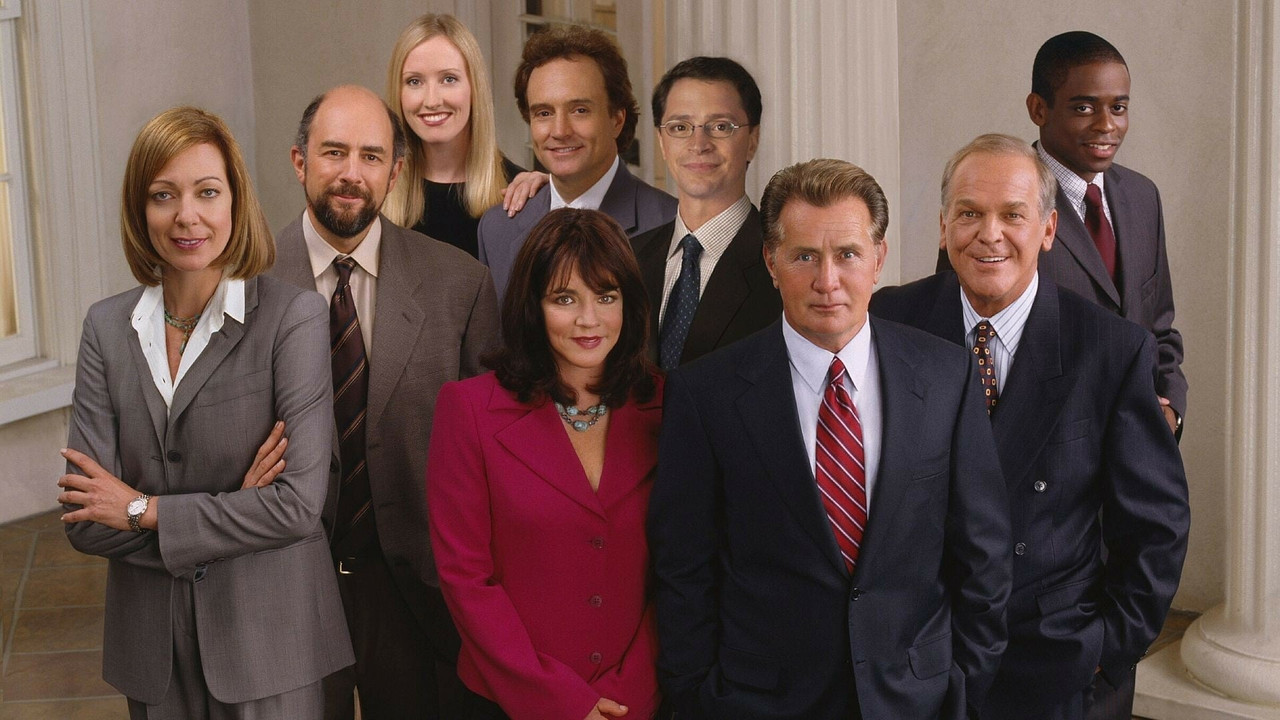
The Ending, Explained
When a long-running political drama reaches its curtain call, audiences naturally crave closure. The West Wing, a fictional look at presidential politics in Washington DC, built its identity on the humor and dedication of a White House team. Our breakdown today walks through the final act without revealing the early twists that set up the administration's path.
The closing chapter, The West Wing ending explained, rewards patient viewers by reflecting on the lives of the chief of staff, the political consultant, and other key players. Rather than shock value, the narrative offers a meditation on public service.
Throughout the series, the tagline "Right place. Right time. Right man." hints at the moral center that guides the fictional presidency. That idea pays off in the later episodes as the characters face political conflict with steady resolve.
The fictional presidential administration allows the story to explore moral questions within government. From the opening episode to the final curtain, the cast embodies a sense of purpose that feels warm despite the staged setting of Washington DC.
What Happens
The conclusion, what happens at the end of The West Wing, centers on the everyday politics and personal loyalty that define the administration. We see the USA president and his circle navigating government hurdles while never losing the human touch that made the show resonate.
Without spoiling the first act, it is fair to say that the final stretch brings the ensemble back to the themes of political intrigue and USA politics that opened the project. The chief of staff and colleagues confront decisions that balance strategy with conscience.
Members of the cast including Martin Sheen, Allison Janney, John Spencer, Bradley Whitford, Joshua Malina, Alan Alda, Jimmy Smits, and Kristin Chenoweth each contribute to a tapestry of moments where policy meets emotion. Their performances anchor the loosely structured ending.
Political conflict arises regularly, but the tone stays hopeful. The chief of staff and political consultant are among the figures who bring humor to the workplace, reflecting the dedication mentioned in the plot summary.
The Meaning Behind the Ending
Our discussion, The West Wing ending meaning, focuses on the tagline's promise of the right person at the right time. The finale suggests that leadership is less about grandeur and more about showing up with integrity.
By framing the White House as a place where political conflict is routine yet humanity prevails, the story assigns significance to quiet victories. The ending meaning rests in the notion that a fictional presidential administration can still teach viewers about real civic duty.
Viewers who appreciate character-driven drama will note that the resolution honors the dedication touched on in the original plot summary. The politics discussed always touch on everyday life, and that thread reaches its fullest expression in the closed chapter.
Such an approach means the final act does not rely on shock. Instead, it trusts the audience to find weight in small gestures, like a quiet word in the hallway of the white house among colleagues.
Themes You Might Have Missed
The series, The West Wing explained, weaves political intrigue with humor in Washington DC. Beyond the obvious government backdrop, subtle motifs appear: the role of the political consultant, the weight of the chief of staff, and the constant presence of USA politics.
Another layer involves the contrast between political conflict and personal warmth. While the setting is the white house, the emotional core lies with individuals who joke through crises. This balance is easy to overlook when binge-watching.
The theme of being in the right place at the right time recurs visually and verbally. It connects the tagline to the broader idea that history is shaped by prepared minds. Such depth rewards a second viewing.
Attention to government mechanics pairs with personal stories. Viewers learn the rhythm of USA politics while enjoying the staff's humor, a blend rarely executed with such balance in the drama genre.
The West Wing: The Bottom Line
The final episode, The West Wing finale, leaves a lasting impression with its 8.275/10 rating from 624 votes. That score reflects how strongly the drama resonates with streaming audiences seeking smart television.
For those who finish the show and want more, other political stories await. Madam Secretary offers a similarly intelligent look at diplomatic life, making it a fine next watch.
Ultimately, the bottom line is that this drama earns its reputation through character and theme rather than spectacle. The ending, while gentle, sticks with you.
The rating of 8.275/10 across 624 votes shows that the gentle closure satisfied many. It stands as evidence that character studies rooted in politics still find large audiences on streaming platforms.
The West Wing Overview
Originally titled The West Wing (1999), the program is a drama set in the nation's capital. It provides a glimpse into presidential politics by telling stories of a fictional presidential administration. The interesting characters display humor and dedication that touches the heart while the politics they discuss touch everyday life.
The main cast features Martin Sheen, Allison Janney, John Spencer, Bradley Whitford, Joshua Malina, Alan Alda, Jimmy Smits, and Kristin Chenoweth. Together they populate a world of the white house, usa president, and political maneuvering. Genres list drama as the primary classification.
If you enjoy this brand of political storytelling, consider exploring Pearson which continues a similar vein of city-hall intrigue. Likewise, State of Affairs brings another perspective on government crisis management to the screen.
With a tagline of "Right place. Right time. Right man." the show distills its philosophy into a short phrase. Whether you arrive for the political drama or stay for the ensemble, the experience is cohesive from overview to finale.
As a drama, the series never strays from its Washington DC roots. The constant presence of the usa president and his team keeps the scope focused on human choices within grand institutions like the white house.