The Vermilion Mask (2026): Sins of a Possessed Apprentice
Apprentice mask maker Peru's possession by a warrior god mask sends him on a global mission to destroy his master's creations and atone for his sins.
October 16, 2026
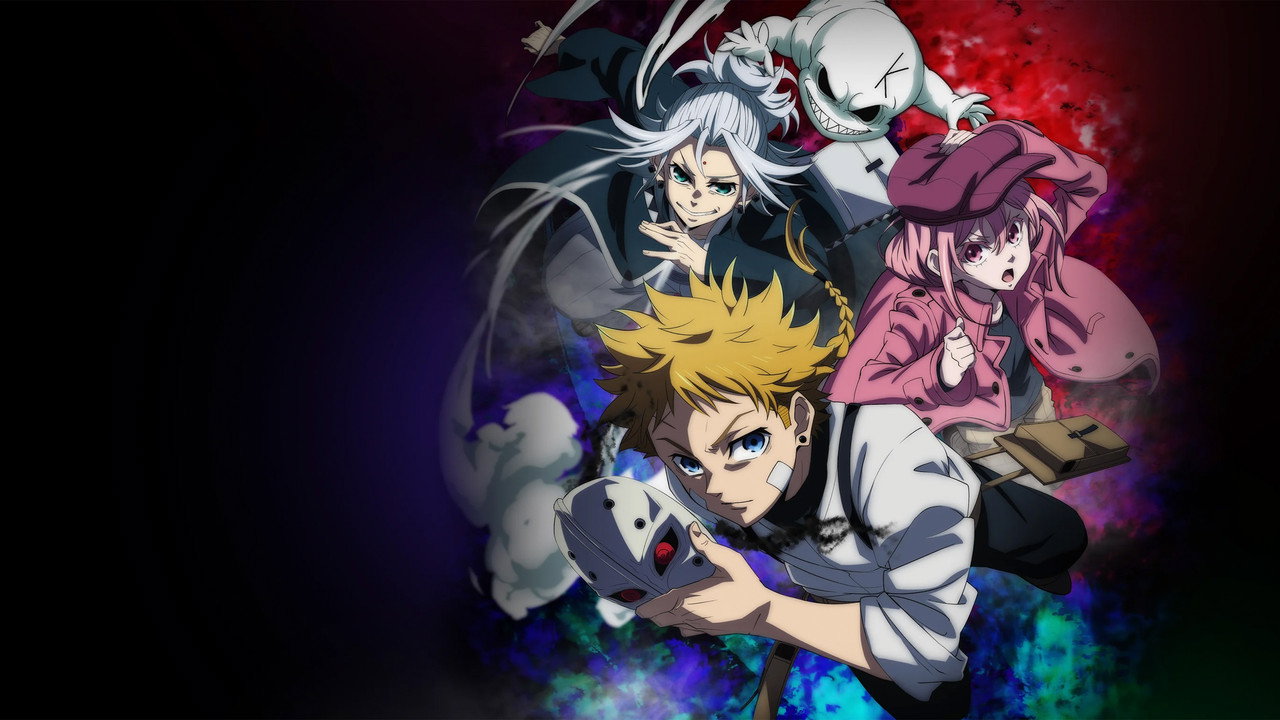
The Ending, Explained
The final stretch of this animated journey resists the urge to explode into a typical battle royale. Instead, it lingers on the quiet consequences of a long voyage that has changed everyone involved. We streamed The Vermilion Mask ending explained to better grasp the finale, and it clarified how the protagonist’s arc lands. Peru’s mission, which began with a personal catastrophe that we will not detail here, arrives at a place where the masks themselves become less important than the person carrying them. The animated frame settles on faces rather than weapons.
Without recounting the early tragedy that sets everything in motion, we can say the last act is about acceptance. The Vermilion Mask animation carries these moments with restrained motion, letting expressions do the heavy lifting. Viewers who stay through the credits will notice that the film trusts its audience to interpret silence. The score pulls back, the pacing slows, and the visual language shifts toward softer lines. This is a deliberate choice that separates the closing chapter from the mid-story conflicts.
What we see in the closing scenes is a character who has travelled far enough to understand his own guilt. The narrative does not offer a magical fix. Rather, it presents a resolution built from the friendships formed along the way and the enemies who became mirrors. The global nature of the quest means that the final location is less a specific place than a state of mind. Peru stands at a crossing point between who he was and who he might become.
What Happens
The structure of the finale is deceptively simple. We summarise what happens at the end of The Vermilion Mask below, focusing only on the broad strokes that close the loop. Peru reaches the final location where one of his master’s creations still resides. Instead of repeating the violence that haunted his past, he chooses a different posture toward the object and toward himself. The moment is defined by choice rather than force.
Around him, the allies gathered during his global trek provide the emotional scaffolding. The confrontations that occur are more about words and recognition than about destruction. You can learn The Vermilion Mask ending meaning from the characters’ quiet reconciliations, which echo the theme of penance that runs underneath the action. Each ally reflects a lesson Peru missed during his apprenticeship, and the film allows them to speak before any decision is made.
By the time the screen fades, the promise made at the story’s pivot has been honoured in a way that feels earned. No new mask is forged; old ones are laid to rest. The film avoids a twist, preferring a steady emotional payoff that respects the groundwork laid by the travel sequences. The last image is one of continuation rather than closure, suggesting that reckoning is ongoing.
The Meaning Behind the Ending
Understanding the conclusion requires looking at the symbol at the centre of the plot. The Vermilion Mask explained in this context is not a puzzle but a metaphor for inherited responsibility. Peru’s master, Gaston Roux, created objects that carry weight beyond their craft. The ending suggests that destroying the artifacts is insufficient if the maker’s lesson is not internalised. The mask is a vessel, and what it holds is the history of those who wore it.
The Vermilion Mask ending meaning, therefore, sits in the space between apology and change. The protagonist’s sins are not erased; they are integrated into a forward path. This is why the final act feels calm rather than triumphant. The movie proposes that reckoning is a continuous practice, not a switch that flips. By showing Peru at peace without showing him perfected, the story achieves a mature tone rare for the genre blend it occupies.
For a story that includes battles and fantastical elements, the choice to end on reflection is a bold one. It respects the viewer’s intelligence and leaves the door open for personal interpretation. The science fiction and fantasy textures never undermine the human core, and the animation style supports this by favoring naturalistic movement in the final minutes.
Themes You Might Have Missed
Beyond the obvious focus on crafted faces, the work quietly explores migration and cultural exchange. As Peru moves around the world, the settings themselves contrast with his originating workshop, arguing that guilt and redemption are universal languages. The backgrounds are filled with small details that differentiate each region without slowing the narrative.
Another layer is mentorship and its limits. The legendary Gaston Roux is gone before the finale, yet his presence shapes every decision. The animation uses background detail to hint at his teachings without replaying them. Peru’s growth is measured by how he references those lessons when alone, showing that a master’s voice can persist as conscience.
Friendship as rehabilitation is also central. The people Peru meets are not sidekicks; they are catalysts for his moral recalibration. You can stream The Vermilion Mask animation tonight with friends for a weekend marathon, and you’ll likely spot how each companion mirrors a facet of his remorse. The voice performances from Taihi Kimura, Yuuki Yamamoto, Kazuki Ura, and others give these roles a lived-in quality.
If you enjoy mask-related folklore, consider The Mask: Animated Series, which also plays with transformative disguises, though with a lighter tone that contrasts the somber notes here.
What We Think of The Vermilion Mask
The production earns its high audience score through coherence rather than spectacle. With a perfect rating across a small pool of votes, it clearly resonates with early viewers. The voice cast, including Taihi Kimura, Yuuki Yamamoto, Kazuki Ura, Takanori Hoshino, Wataru Komada, Junya Enoki, Kazuhiko Inoue, and Akio Otsuka, delivers performances that suit the restrained finale. Their work ensures that even silent frames communicate volume.
We appreciate that the film trusts its genre blend. Animation, action, adventure, sci-fi, and fantasy coexist without one overshadowing the others. The global trek never feels like a tourist montage because each location ties back to the central obligation. The action sequences are spaced so that the quiet beats land harder, a rhythm that benefits the ending’s reflective stance.
Those who like spatial adventures might appreciate Jyu-Oh-Sei, a tale of survival on a strange planet that similarly uses isolation to forge character growth. While the settings differ, both works understand that external journey is secondary to internal change.
The Vermilion Mask Cheat Sheet
For quick reference, here is the essential information we gathered from the available details:
- Title: The Vermilion Mask (2026)
- Genres: Animation, Action & Adventure, Sci-Fi & Fantasy
- Plot core: An apprentice mask maker vows to undo his master’s legacy after a devastating event, travelling the world to confront the creations and his own sins.
- Key character: Peru, the apprentice who must reckon with his past.
- Master: Gaston Roux, the legendary mask creator whose works must be addressed.
- Voice cast: Taihi Kimura, Yuuki Yamamoto, Kazuki Ura, Takanori Hoshino, Wataru Komada, Junya Enoki, Kazuhiko Inoue, Akio Otsuka.
- Rating: 10.0/10 based on 3 votes at time of writing.
- Tone: Reflective finale that prioritises character resolution over spectacle.
We also recommend Eyes of Wakanda for viewers who want another animated exploration of heritage and duty released in recent years. The two make a thoughtful double feature.
You can view The Vermilion Mask explained without leaving the site, which helps new viewers orient before the emotional closer. The companion piece walks through the setup without spoiling the early chapters.