The Vampire Diaries (2009): A Love Triangle Built in 1864
The Vampire Diaries (2009) finale trades twists for consequence, turning a supernatural obsession into a quiet final choice between two brothers and one girl.
October 19, 2026
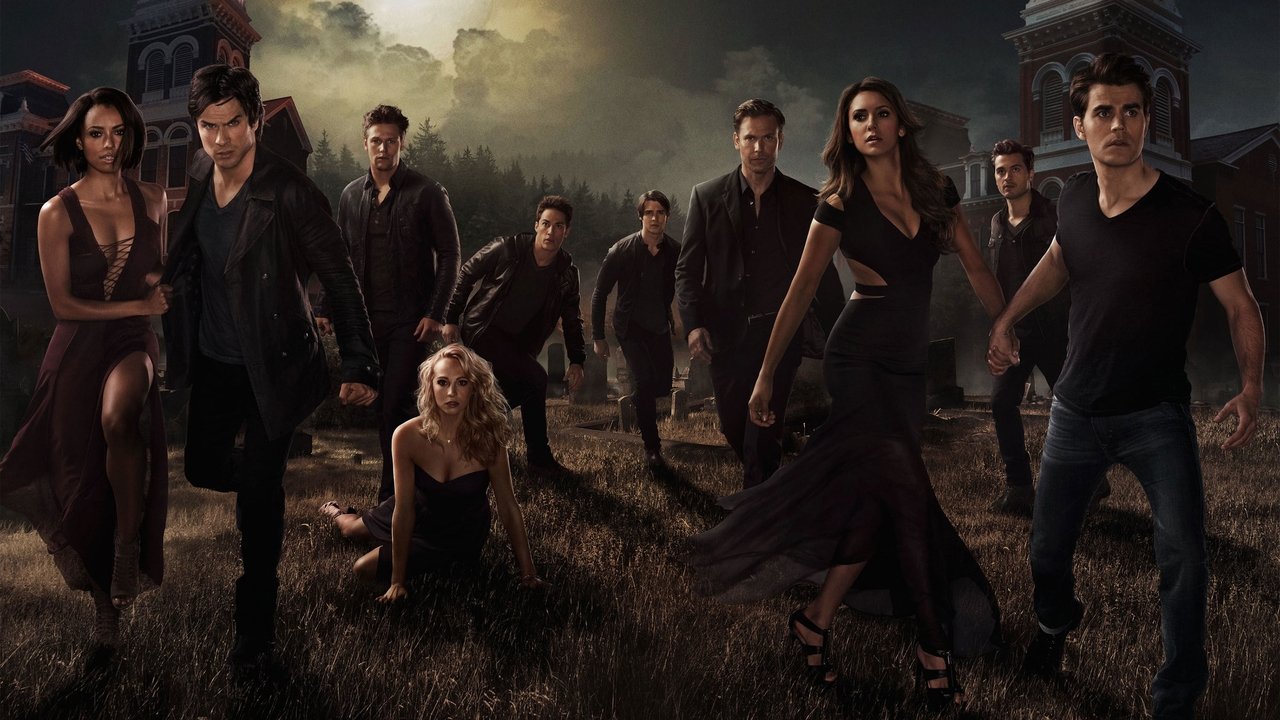
The Ending, Explained
When a series lasts as long as this one, the finale stops being a puzzle and becomes a verdict. The phrase everybody reaches for — The Vampire Diaries ending explained — is really a question about whether a story built on obsession can end in choice rather than exhaustion. Mostly it does, and the resolution is far quieter than a supernatural romance's reputation would suggest.
Approach the last stretch with the right expectations. The finale is less interested in cliffhangers than in consequences: whether unending youth has ever made anyone gentler, and whether a love that keeps promising forever can survive the pressure of being chosen again and again inside a single ordinary life.
Nothing in the final act undoes the premise the show was sold on. Two vampire brothers are still bound to the same woman, and she still carries the face of the beautiful, ruthless vampire they loved in 1864. What changes is how that setup is read — not as destiny, but as a pattern the characters have to interrupt.
What Happens
The engine has always been a triangle. Stefan, the brother carrying his guilt like a second skin, and Damon, the one who treats cruelty like charm until it stops working, are both fixed on Elena, a human who happens to look exactly like the 1864 vampire who still owns their attention. Call it The Vampire Diaries explained or call it a long argument that love is a decision; either way, the argument is what stays with you.
Across eight seasons the show widens that triangle into a town. Mystic Falls runs on lies and old secrets, while the people around the brothers — a witch, a werewolf, friends who refuse to stay human or helpless — keep insisting the world is bigger than one romance. Doppelgängers, eternal youth and the pull between species are not just window dressing; they are the rules the characters keep breaking.
By the final stretch the question is no longer which brother Elena wants. It is whether the brothers can outgrow a rivalry that has already outlived everyone who started it. The show spends its last acts on that, letting loyalty and friendship do as much work as passion.
The Meaning Behind the Ending
The final act — The Vampire Diaries ending meaning in one breath — is about two brothers choosing each other over a rivalry that has outlived centuries. Elena is not a prize to be won so much as the person who forces both men to name what they actually want. That is the show's real resolution: the triangle closes only when the brothers stop performing for her and start answering for themselves.
The doppelgänger storyline matters here more than its twists. By making Elena the living image of a lost love, the series sets up the easiest ending imaginable — substitute the past for the present and call it romance. It declines. The finale's quiet thesis is that Elena is not a replacement, and that loving her is only meaningful if she is chosen as herself, not as a second chance at 1864.
The series' true long game, The Vampire Diaries Stefan and Damon, is to make you root for a redemption that has to be chosen again every single day. Stefan's restraint and Damon's recklessness are not good and evil; they are two styles of atonement. The finale works when it treats them as mirrors rather than a hero and a villain.
Themes You Might Have Missed
Under the love triangle, the show is quietly about power that never ages. Grudges outlive the people who started them, and the supernatural rules only sharpen the unfairness: whoever holds the oldest secrets usually gets to write the rules everyone else follows.
- Eternal youth as a trap. Immortality here is less a wish than a postponement; the characters keep grieving the lives they paused.
- Interspecies romance as translation. The central relationships are constantly negotiating different appetites, lifespans and tolerances for danger.
- Friendship as the real cure. Loyalty among the living and undead carries more of the finale than any spell does.
- The double self. Doppelgängers and cursed bloodlines ask whether resemblance is a bond or a trap.
If the werewolf and witch material is your entry point, Bitten takes a similarly physical approach to the idea that a body can betray you, while Being Human shares this show's talent for letting monsters negotiate rent, loyalty and ordinary life. The three together argue that the best supernatural dramas are really about roommates and responsibility.
Is The Vampire Diaries Worth Your Time?
If you want a vampire show with the patience to be a soap opera and the discipline to be a tragedy, yes. It holds an 8.3 across nearly ten thousand votes for a reason: the casting sells the triangle, and the supporting cast keeps the town alive when the central romance stalls. It is melodramatic on purpose, and it earns the melodrama by making you care about people who behave badly.
It is not seamless. The plot is crowded, the rules get rewritten whenever the story needs a new engine, and some seasons sprint where they should saunter. But the commitment to its central question — can you be saved by someone who knows the worst of you and stays — holds.
For a darker, more gothic take on the same questions about devotion and damnation, Interview with the Vampire is the obvious companion piece; watch them back to back and the contrast between teen-soap warmth and opera-house dread is half the fun.
The Vampire Diaries FAQ
Visitors almost always arrive with one question — How does The Vampire Diaries end? — and leave with a quieter one: whether the brothers can ever be free. The short answer is that the finale resolves the triangle by shifting the goal from winning Elena to Stefan and Damon choosing themselves, and each other, over the myth.
Is it necessary to read the books first? No. The premise carries over, but the show recombines the pieces and spends years developing characters who only pass through the novels.
Where should a newcomer start, and is it scary? Start at the beginning, because the acting and the relationships are the draw rather than the shocks. It is spooky rather than horrific, and its scariest moments are about loss and manipulation rather than gore.