The Tonight Show Starring Jimmy Fallon (2014): A New Era Begins
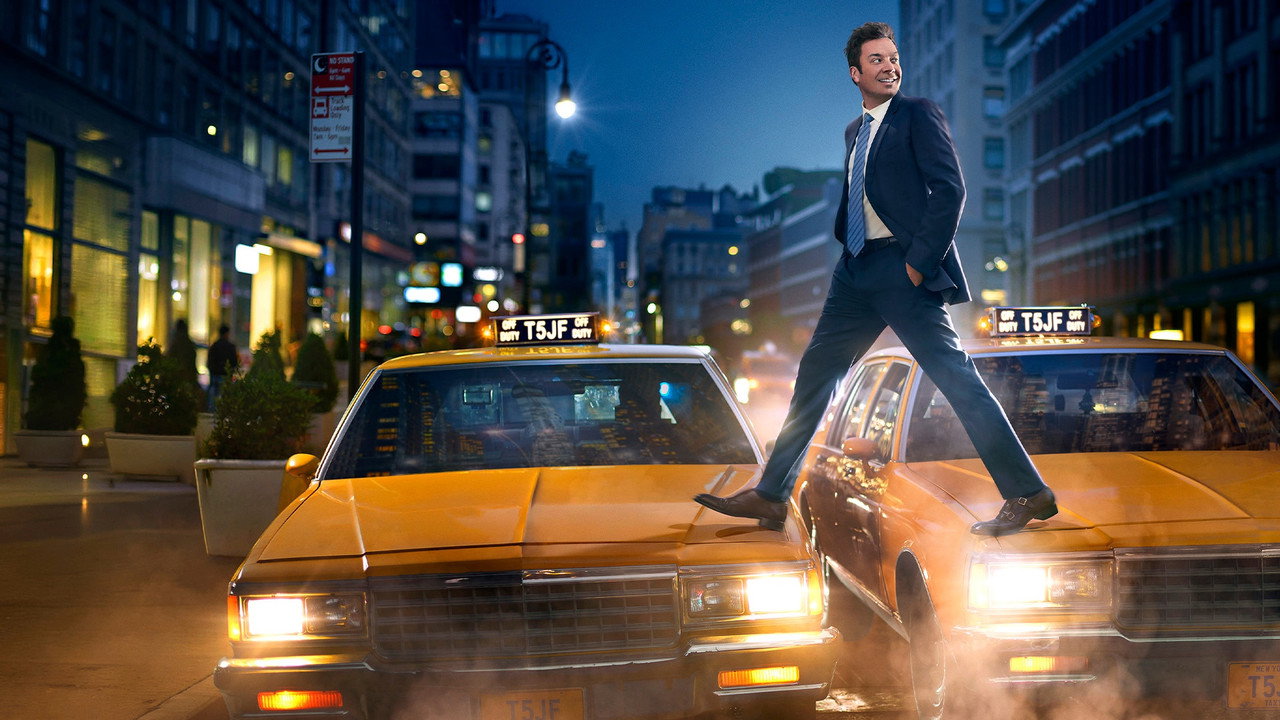
Jimmy Fallon became the permanent host of The Tonight Show in 2014 after Jay Leno's retirement, moving the program from Los Angeles to New York.
October 17, 2026
The Ending, Explained
When a long-running late-night program shifts hands, viewers naturally wonder about the closure of one chapter and the open door of the next. The transition that brought Jimmy Fallon into the permanent host seat followed Jay Leno's second retirement from the franchise. To help readers process the change, we published a companion piece, Jimmy Fallon ending explained, that walks through the final West Coast broadcasts and the symbolic baton pass. The show's official tagline, "Tonight's just getting started," hints that the conclusion of the prior regime was never meant to be a full stop. Instead, the ending functions as a pivot. Without spoiling the earliest moments of the new regime, we can say that the final act of the California era gave way to a fresh identity. Director Dave Diomedi oversaw the production as the format settled into its renewed rhythm. The relocation aspect becomes the true climax, but we will arrive there in due time. For now, understand that the ending is less a mystery and more a handshake between generations of comedy. The move also reframed how the audience at home would perceive the late-night show going forward.
What Happens
Fans often ask, what happens end Jimmy Fallon, after the familiar studio lights in Los Angeles dim for the last time. The straightforward answer is that the program did not simply replace a host; it changed its home base entirely. After 42 years in Los Angeles the show was brought back to New York, a city woven into the original mythology of late-night television. The Tonight Show moved to NY, ending a four-decade West Coast chapter and rekindling the intimate energy of a Manhattan soundstage. Steve Higgins remained a key presence alongside Fallon, contributing to the comedy and talk dynamic that defines the broadcast. The genre labels comedy and talk fit neatly, as the episodes continued to mix celebrity conversations, games, and audience interaction. While we avoid detailing the opening act of the new tenure, the midpoint and resolution are clear: a physical and tonal journey from coast to coast. The audience at home witnessed a program that honored its past while planting flags in a new zip code.
The Meaning Behind the Ending
Every transition carries subtext, and this one is no exception. We examined the subtext, Jimmy Fallon ending meaning, in the final section of our analysis to show how a relocation can rebirth a format. Leaving Los Angeles after 42 years was not merely a logistical choice; it signified a return to the roots of the late-night show as a New York institution. The meaning revolves around intimacy. A studio in New York city allows for a different relationship with the audience, one where the street outside feels like part of the set. The rating of 5.789 out of 10 across 395 votes suggests that viewers have mixed but engaged feelings about the shift. The ending meaning also touches on the idea of "tonight" as an ongoing invitation rather than a finale. By stepping in after Leno, Fallon became the custodian of a moving target, and the true significance is the show's resilience.
Themes You Might Have Missed
The broadcast, arguably the Jimmy Fallon show explained through a modern lens, settled into a New York groove that amplifies several quiet motifs. First, the theme of new york city is not just a backdrop; it is a character that shapes humor and pacing. Second, celebrity interactions gain a playful edge when the host treats fame as a game rather than a pedestal. The keyword game appears in segments where stars join the host for silly competitions, reinforcing the audience connection. Speaking of the audience, the live crowd in the studio becomes a partner in the comedy, laughing and participating in ways that the late-night show format historically cherishes. Finally, the meta idea of a late-night show commenting on its own history adds depth. These threads might escape a casual viewer, but they form the woven fabric of the program's identity under Fallon and Higgins.
How Good Is The Tonight Show Starring Jimmy Fallon, Really?
Judging a continuing broadcast is tricky, but the available metrics give a hint. The aggregated score of 5.789 per 10 from 395 votes places the series in the middle of the road, indicating that it satisfies some while puzzling others. Director Dave Diomedi's steady hand ensures the comedy and talk elements flow without awkward lags. The tagline "Tonight's just getting started" captures the aspirational tone better than any critic could. Main cast members Jimmy Fallon and Steve Higgins deliver a consistent rhythm, with Fallon's playful interviewing style and Higgins's supportive presence. For those who value a lighter, game-driven late-night experience, the show hits its marks. Others nostalgic for the previous West Coast chapter may find the rating reflective of their own hesitation. Ultimately, the program's quality is best measured by its willingness to evolve rather than by a single number.
The Tonight Show Starring Jimmy Fallon Highlights
Among the standout aspects are the return to a New York city studio and the renewed emphasis on audience participation. The celebrity guests often find themselves pulled into spontaneous games, a hallmark of the show's identity. The late-night show template gets a refresh through shorter comedy bits and a warmer audience rapport. Below is a quick list of elements worth noting:
- A host transition that respected Jay Leno's second retirement while opening a new door.
- A 42-year Los Angeles chapter closed so the program could revive its New York origins.
- Steve Higgins providing continuity as a main cast member alongside Fallon.
- Themes of new york city, celebrity, game, audience, and talk comedy interlaced weekly.
If you enjoy this kind of comedy, you might also like Younger for its witty urban tone and similar pacing.
For a classic television viewpoint, Second City Television offers a sketch-driven ancestor to modern late-night antics.
Those who appreciate quirky interview formats should check out Comedy Bang! Bang! as a complementary streaming choice.