The Sullivans (1976): A Wartime Family Saga's Last Chapter
A look at The Sullivans (1976), the Australian drama following a Melbourne family through World War II, and what its ending really means.
November 15, 2026
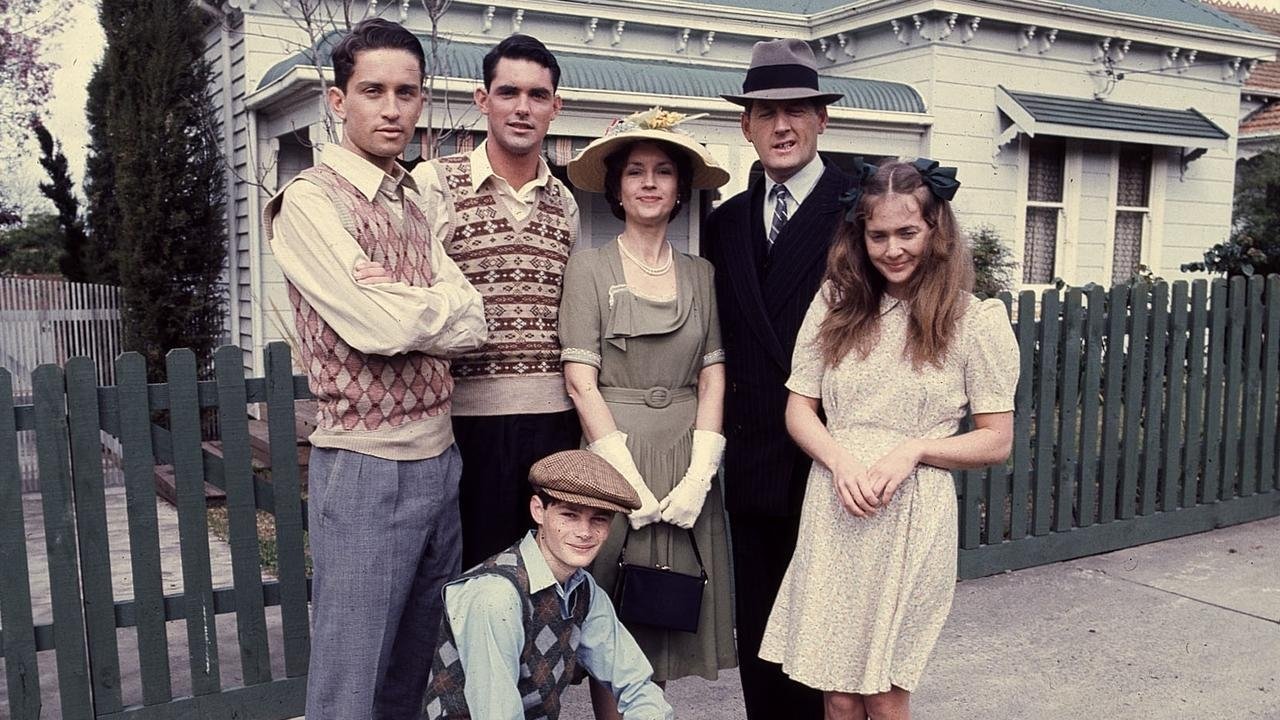
The Ending, Explained
When a long-running family drama finally closes its doors, viewers tend to want answers. The Sullivans ending explained in plain terms is not a puzzle-box resolution, because the series was never built around shock reveals. Instead, the closing stretch of this Australian program asks you to look at how far the Sullivan family has travelled since the early days of the Second World War. If you are approaching the final episodes with some nerves, this breakdown keeps the opening chapters untouched and focuses on what the conclusion is actually doing.
What Happens
The series follows an ordinary middle-class household in Melbourne, and that domestic focus never disappears, even as the world outside grows louder. The war years shape every decision the family makes, from rationing and separation to the quieter strain of waiting for news. As the story moves into its final stretch, the emphasis shifts from survival toward repair. Characters who spent years holding things together are given room to consider what they want next, and the program treats those choices with the same seriousness it gave the conflict itself.
What happens at the end of The Sullivans is therefore less about one dramatic event than about a household exhaling. The finale gathers the family and lets long-simmering tensions surface, then settle. Conversations that were postponed during the war years finally happen. People make peace with decisions they cannot undo, and there is a general sense that ordinary life is being reclaimed rather than won.
If you enjoy slow-burn domestic storytelling where history sits in the background of every kitchen-table conversation, Upstairs, Downstairs covers similar ground from a very different angle, and The Waltons follows a family through comparable decades of change.
The Meaning Behind the Ending
The Sullivans ending meaning rests on the idea that endurance is its own kind of victory. War dramas often build toward a battle or a rescue, but this show builds toward something smaller and arguably harder: a family that still recognizes each other after years of disruption. The closing act suggests that the real achievement is not defeating an enemy but preserving the ordinary rituals that make a home function.
The final stretch also insists that the war did not end when the headlines stopped. Its effects linger in how these people talk to one another, what they expect from the future, and what they quietly decide to let go. There is no grand moral announced. The writers trust the audience to notice that a family returning to routine is a form of healing, and that healing is not always tidy.
Themes You Might Have Missed
Because the show aired for so many years and relied on serialized storytelling, several threads reward closer attention. The Sullivans explained as a whole becomes clearer when you treat it as a study in how public events rearrange private lives.
- Middle-class resilience. The family is not wealthy, and the series is consistent about the small compromises that define their days.
- Generational friction. Younger characters want a different future than their parents assumed, and the closing episodes acknowledge that gap honestly.
- Separation and return. People leave, people come back changed, and the show is interested in the awkwardness of reunion.
- The home front. Wartime is presented as something felt at the dinner table rather than on a battlefield, which keeps the stakes intimate.
These ideas also give the show its longevity. A The Sullivans finale recap that treats the last episodes as a simple goodbye misses how carefully the program has been building toward the question of what normal life looks like after years of uncertainty.
How Good Is The Sullivans, Really?
Reception is complicated. Community ratings sit around 5.4 out of 10 from a small number of votes, which tells you more about how niche and old the series is than about its quality. In its home country it was a dependable ratings success, and it found appreciative audiences in the United Kingdom, Ireland, the Netherlands, Gibraltar and New Zealand — a reminder that a Melbourne family drama translated well across cultures.
Watch it expecting polished modern pacing and you may struggle; the serial format of the era is gentle, conversational and unhurried. Watch it as a document of how television handled the 1940s home front, and there is plenty of texture. If family sagas built on long-running tensions appeal to you, Dallas pushes that formula toward melodrama, while this show keeps its feet firmly on the ground.
The Sullivans Overview
Produced by Crawford Productions and broadcast on the Nine Network from 1976 until 1983, the series follows an average middle-class Melbourne family and the effect World War II had on their lives. Its key interests are family relationships, the 1940s, and the way global events press down on ordinary households. The main cast includes Paul Cronin, Steven Tandy, Richard Morgan, Megan Williams, Reg Gorman, Vikki Hammond, Norman Yemm and Andy Anderson.
For a conclusion-focused viewing, go in knowing the show ends on reflection rather than spectacle. That is the point. It is a farewell to people who spent years holding on, and the last episodes are best read as a quiet endorsement of the ordinary.