The Sopranos (1999): A Mob Boss Torn Between Family and Crime
A look at how Tony Soprano struggles to balance his roles as a mob boss and family man in The Sopranos (1999).
October 19, 2026
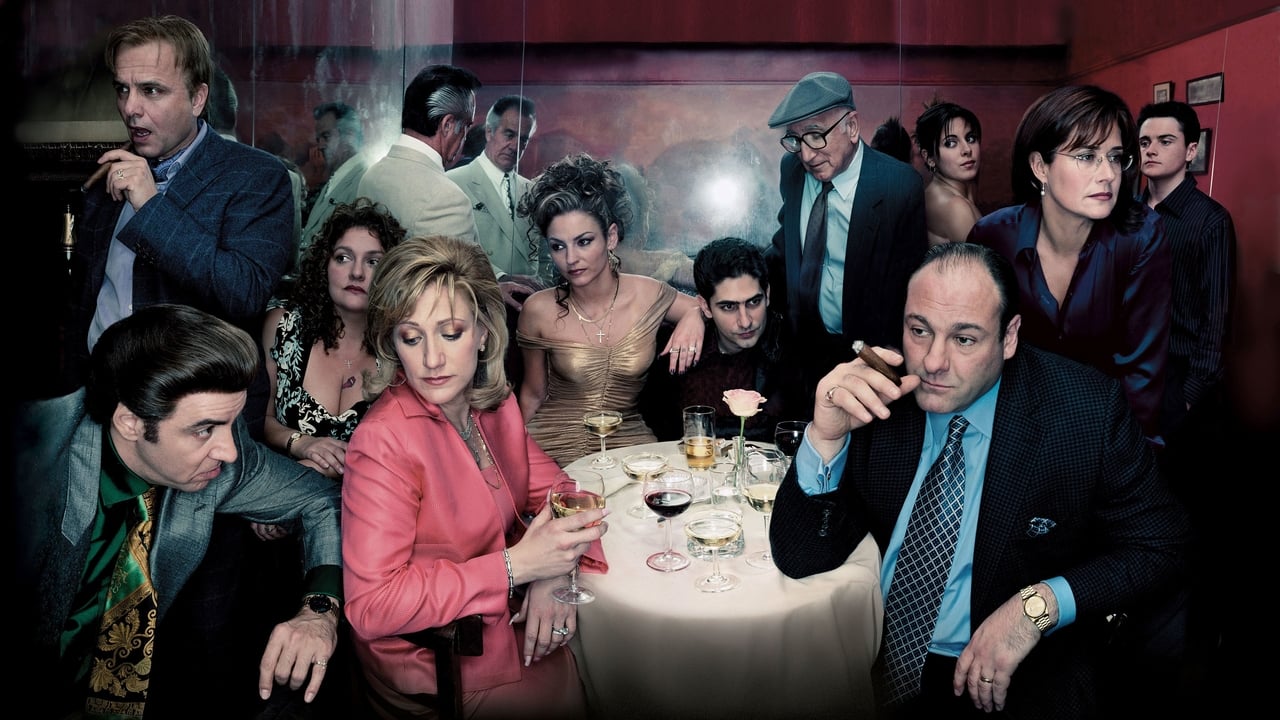
The Ending, Explained
When a series leaves such a cultural footprint, viewers naturally seek closure. I recently read an article, The Sopranos ending explained, that refused to spoil the opening episodes while still shedding light on the finale. The closing stretch of this HBO-style criminal saga stays true to its core: Tony Soprano, a New Jersey-based Italian-American mobster, keeps juggling his role as a mafia boss with his duties at home. Without revealing anything from the first act, we can say the final scenes echo the same tensions that fueled the entire run. Tony's ongoing professional relationship with psychiatrist Jennifer Melfi remains a lens through which we see his inner turmoil. The show's tagline, "Family. Redefined.", feels most potent when the last chapter forces him to confront what that word means to a man who runs an organized crime crew by day and sits at a dinner table by night. The balance of household chaos and criminal enterprise is never resolved with a neat bow, and that is by design. Throughout the back half, the writing trusts the audience to sit with discomfort rather than demand answers.
Fans of parallel mob narratives might enjoy Boardwalk Empire, a period piece that also digs into the cost of criminal power.
What Happens
The question on every viewer's lips, Sopranos ending what happens, can be addressed by tracing character currents rather than plot twists. In the concluding arc, Tony continues to face the conflicting requirements of his home life and the criminal organization he heads. His wife Carmela features in prominent story threads, as does his cousin and protégé Christopher Moltisanti. The narrative does not tie every thread with a bow; instead, it highlights how a dysfunctional marriage and a dysfunctional family persist under the weight of mobster obligations. We see nods to the strip club venues and drug dealer intersections that punctuate the world of the show, but the emphasis stays on personal bonds. Football (soccer) even appears as a small cultural marker of the Italian-American community depicted. The final episodes remind us that the life of a drug dealer or a mafia boss is intertwined with Sunday routines and family arguments. James Gandolfini's performance anchors the struggle, while Edie Falco renders Carmela as both partner and opponent.
For those who want a modern take on similar territory, Mayans M.C. follows a different outlaw club with its own loyalty tests.
The Meaning Behind the Ending
The lingering impression, The Sopranos ending meaning, is less about a single event and more about perpetual uncertainty. Tony's life as a mafia boss is shown as a cycle that rarely breaks. The final act underscores family relationships strained by secrets, with Jennifer Melfi's sessions revealing how deep the denial runs. By refusing to offer a clean resolution, the writers mirror the real difficulty of balancing organized crime with domestic peace. The ending suggests that a dysfunctional family cannot be easily fixed, even when the people involved love each other. This ambiguity is precisely why the show remains a touchstone for the crime drama genre, proving that quiet dread can be as powerful as action. Lorraine Bracco's Melfi serves as the viewer's surrogate, asking whether a man like Tony can ever truly change, and the silence that follows is the point.
Another related watch is This City Is Ours, which explores loyalty in a fresh setting.
Themes You Might Have Missed
The broader canvas, The Sopranos explained, includes quiet details about Italian-American identity in New Jersey. Beyond the obvious mobster tropes, the series weaves in the mundane and the brutal: a strip club as a business front, a drug dealer as a complication, and football (soccer) as a bonding token. The theme of a dysfunctional marriage is not just conflict; it is a negotiation of power between Carmela and Tony. Meanwhile, Christopher Moltisanti's journey reflects the pressure on the next generation of the family. The show also treats the mafia not as a cartoon but as a structure of family relationships that can be as nurturing as it is destructive. Observing these layers rewards repeated viewing, and the New Jersey backdrop grounds the mythology in a real place. Even the smallest scene about a local football match can echo the larger war for succession inside the crew. Michael Imperioli's Christopher and Steven Van Zandt's character add texture to the notion that blood and business are never separate.
How Good Is The Sopranos, Really?
Our favorite, Sopranos crime drama show, holds an impressive rating of 8.675 out of 10 from 3733 votes on our streaming platform. That score reflects how well the ensemble casts James Gandolfini, Edie Falco, Jamie-Lynn Sigler, Robert Iler, Lorraine Bracco, Michael Imperioli, Steven Van Zandt, and Tony Sirico embody their roles. The direction by medo lshl keeps the crime and drama balanced. As a landmark of the form, it set a template for premium cable storytelling. The blend of stress, tension, brutal violence, and humor is executed incredibly well, making the episodic format a perfect fit for mafia tales. Few shows manage to portray a dysfunctional family and a criminal empire with equal weight. The 1999 debut remains a high bar for any later entry in the organized crime space.
The Sopranos Recap
To sum up, the series presents Tony Soprano as a New Jersey Italian-American mobster navigating home and underworld. The final act, as we touched on with The Sopranos ending explained earlier, reinforces the tagline "Family. Redefined." Through Carmela, Christopher, and Dr. Melfi, we see a dysfunctional family and a dysfunctional marriage rendered with honesty. Themes of organized crime, mafia loyalty, and the ordinary touches like a strip club or football (soccer) ground the story. If you appreciate a Sopranos crime drama show that respects your intelligence, this 1999 classic remains essential. The Sopranos explained through its ending is ultimately about the impossibility of clean separation between blood and business, leaving viewers to sit with the noise rather than the answer. It is a show that rewards patience and welcomes second looks long after the screen goes dark.