The Plastic Man Comedy/Adventure Show (1979): A Comedic DC Hero
This Ruby-Spears animated series featured Plastic Man and other heroes in rotating comedy segments before syndicated reruns in 1984.
November 8, 2026
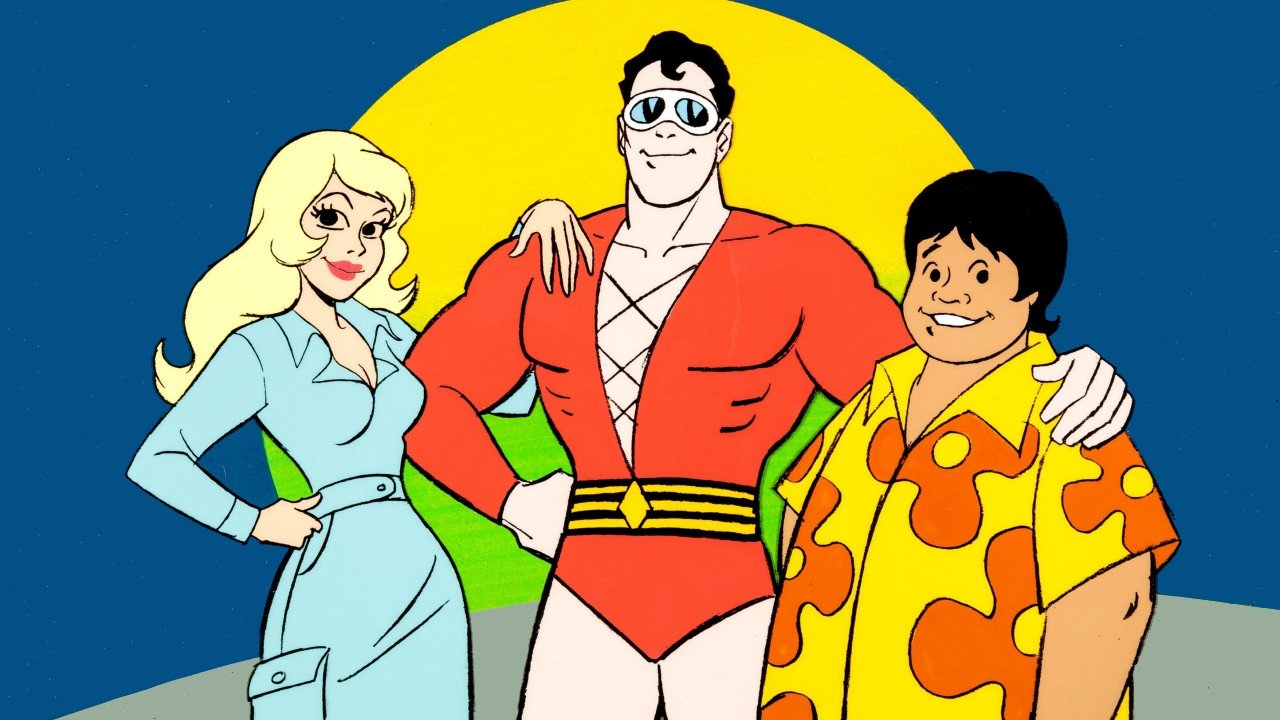
The Ending, Explained
When people look back at this Ruby-Spears production, they often want a clear resolution to the story. The collection of shorts, The Plastic Man Comedy/Adventure Show ending explained, does not follow a traditional serialized story. Instead, the program was built as a rotating set of comedic superhero segments that aired right after Super Friends on the ABC Network from 1979 to 1981. Because the format is episodic, the so-called ending is less a final battle and more a transition in how the material reached audiences. The original network run concluded, and the property was later reworked for syndication. That shift is the practical conclusion of the show's first life on broadcast television.
Viewers who enjoy animated anthologies should also check out What a Cartoon!, which similarly bundled short adventures for a young audience and never asked viewers to remember last week's plot.
The lack of a cliffhanger can confuse modern binge-watchers. Plastic Man, the DC Comics hero with a bendable body, heads a cast that includes Baby Plas, the Plastic Family, Mighty Man and Yukk, Fangface and Fangpuss, and Rickety Rocket. Each of these mini-series kept its own comedic rhythm. The show's live-action portions, where Taylor Marks donned a costume to play Plastic Man, further broke any sense of a continuous narrative. So the ending we discuss is really about the show's change in distribution rather than a climactic showdown.
What Happens
The timeline, what happens at the end of The Plastic Man Comedy/Adventure Show, shows the original ABC run ending in 1981. After that, Arlington Television repackaged the existing footage into 130 half-hour episodes. Those editions entered national first-run-off-network daily syndication in 1984. The program therefore did not stop existing; it changed distribution channels. Within the segments themselves, the adventures continued to play as self-contained comedies. No single unresolved thread was left dangling because the structure never depended on one.
Fans of classic puppet-style humor might appreciate The Gumby Show, another example of early television animation that built a world from loosely connected skits and short bursts of creativity.
To be precise, the production was handled by Steve Whiting, who produced and directed the overall project. The voice roster included Alan Oppenheimer, Alan Young, Jack Baker, Frank Welker, Michael Bell, Johnny Brown, Bart Braverman, and Al Fann. Their performances gave consistency to the varying segments. When the syndication package appeared in 1984, it simply re-presented those performances in a new daily schedule. That is the concrete event at the close of the show's initial era.
The Meaning Behind the Ending
The thematic closure, The Plastic Man Comedy/Adventure Show ending meaning, reflects the cheerful heroics of a stretchy DC Comics hero. The inclusion of a live-action Plastic Man performed by Taylor Marks suggests the ending of the network era was about celebrating the character's flexibility across mediums. When the series moved to syndication, the intent was to keep lighthearted crime-fighting available to as many households as possible, not to close the book on the hero.
If you like mystery-tinged cartoons, Martin Mystery offers a modern spin on the kind of episodic storytelling seen here, though it trades slapstick for spooky cases.
The meaning also sits in the show's title. Comedy and adventure are placed side by side, and the final act of its broadcast life honors both. The repackaging preserved the comedy while extending the adventure to new time slots. A rating of 7.1 out of 10 from twenty voters shows that the gentle charm has aged reasonably well. The ending therefore means continuity of spirit, not termination of identity.
Themes You Might Have Missed
Because the broadcast history, The Plastic Man Comedy/Adventure Show explained, included a repackaging into 130 half-hour episodes, it is easy to overlook how varied the tone was. The segments ranged from the titular hero's slapstick to the smaller-scale Baby Plas and Plastic Family bits. Mighty Man and Yukk, Fangface and Fangpuss, and Rickety Rocket added further genre flavors. The recurring theme is adaptation: a hero who can bend into any shape mirrors a show that could be recut into any schedule.
Another theme is the contrast between animated and live-action. The live-action interludes with Taylor Marks broke the fourth wall of Saturday morning convention. That choice underlined the show's playful attitude toward its own identity. The voice cast's work, especially from veterans like Frank Welker and Alan Oppenheimer, grounded the absurdity in recognizable performance.
A subtle thematic thread is the communal nature of superheroics. Plastic Family and Baby Plas expand the central concept to household and child units, suggesting that anyone can stretch to meet a challenge. This democratic idea runs through the syndicated episodes as much as the original ABC broadcasts.
Is The Plastic Man Comedy/Adventure Show Worth Your Time?
The 130 half-hour broadcasts, Plastic Man Comedy/Adventure Show episodes, were prepared by Arlington Television for daily viewing, which tells you the material was designed to be approachable. If you enjoy breezy superhero comedy with a pre-CGI aesthetic, the show remains a curious time capsule. It is not a dense narrative puzzle, so the enjoyment comes from the performances and the inventive use of a stretching protagonist.
The show's relaxed structure means you can jump into any installment without homework. The final act of its broadcast life is a lesson in how television libraries are recycled, and the meaning behind that ending is simply that good-natured heroics never truly retire. For a rating of 7.1 out of 10, the experience is solidly pleasant rather than groundbreaking.
The Plastic Man Comedy/Adventure Show Explained
To sum up, the repackaged syndication, The Plastic Man Comedy/Adventure Show explained, delivered 130 half-hour episodes to daily viewers in 1984 after the original ABC broadcasts from 1979 to 1981. The program assembled multiple segments under one banner, each starring elastic do-gooders or companion characters. Steve Whiting's production blended drawn stories with live-action spots, and the voice talent kept the nonsense grounded. The ending we have described is really a change in platform rather than a conclusion of plot.
That makes the series easy to sample today, especially for anyone curious about how DC properties were handled before the modern cinematic universe. The adventures of Plastic Man and friends remain a friendly artifact of late-1970s and early-1980s television, and the repackaged episodes ensure the humor stayed available long after the network slot faded.