The Odyssey (2026): Gods and Monsters Block His Journey Home
A SEO article on The Odyssey (2026), the mythic voyage of Odysseus confronting gods and monsters on his journey home after the Trojan War.
October 17, 2026
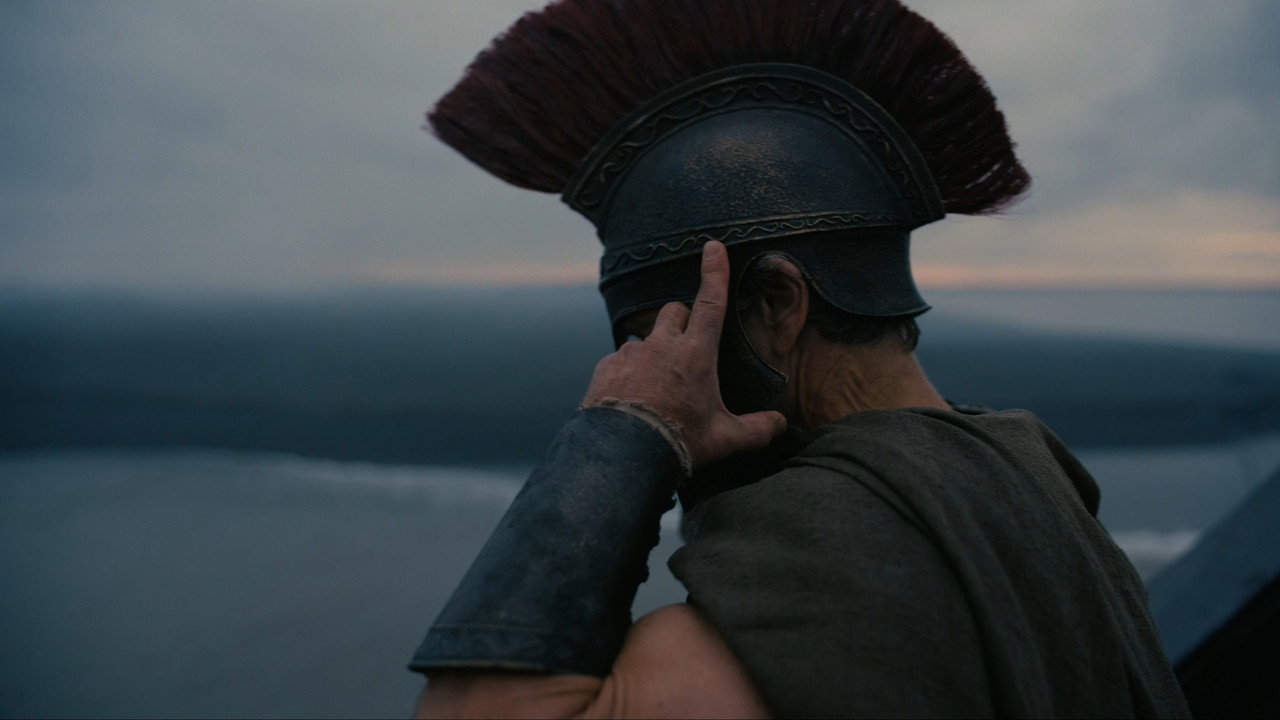
The Ending, Explained
Christopher Nolan's The Odyssey 2026 stands as a sprawling adventure that demands patience. For viewers who have sat through the long voyage, the closing chapter raises questions. Here we focus on The Odyssey ending explained by looking at the final stretch only, carefully avoiding the early trials that set the stage.
The last portion shifts to Ithaca, where the king's absence has left a power vacuum. Penelope, played by Anne Hathaway, faces relentless suitors who believe her husband lost. Among them, Robert Pattinson's Antinous stands as the most entitled claimant. Meanwhile, Telemachus, portrayed by Tom Holland, grows into a young man who never met his father. The return of the wandering king forces a confrontation that defines the conclusion.
Without detailing the opening shipwreck or initial monster encounters, the hero's cunning remains his greatest weapon. The finale pays off the long setup with action and quiet character beats. Nolan uses the ancient world setting to frame a personal homecoming. The tagline "Defy the gods" finds true resonance when the mortal refuses to bend to divine comedy.
The narrative intercuts distant travels with the stagnant court of Ithaca, building toward a unified finale. By the time the ending arrives, the audience understands both sides of the absence. The voyage that began with the trojan war now closes in a household tense with unspoken grief.
What Happens
To answer plainly, what happens at The Odyssey end is a reckoning. Odysseus, portrayed by Matt Damon, arrives home after years of mythological peril and concealment. He must disguise his identity before revealing himself to the household. The castle has been overrun by those who would claim his throne and his wife's hand.
A tense sequence follows where the rightful ruler tests loyalties among servants and kin. Charlize Theron's Calypso and other figures from the voyage fade as the focus narrows to the domestic sphere. The final battles are about restoring order to a broken home. Himesh Patel and John Leguizamo appear in supporting roles bridging the fantastical journey and the grounded conclusion.
Travis Scott's casting adds a modern rhythmic element to the closing scenes, underscoring the timeless tale. The last minutes show the cost of the trojan war and the long voyage on a man's soul. A period drama sensibility keeps the violence measured, letting reunion carry the emotion.
The Meaning Behind the Ending
To grasp The Odyssey ending meaning, one must consider persistence against divine indifference. The gods have toyed with the mortal throughout. In the final act, the protagonist's humanity wins, not supernatural favor. This suggests Nolan's take values internal strength over external magic.
The conclusion speaks to nostos, the Greek concept of return. It is not merely a physical homecoming but a restoration of self. The King of Ithaca reconnects with the family torn apart by his twenty-year absence. That emotional resolution carries more weight than any single battle with a monster from greek mythology.
When The Odyssey explained as a whole, the ending serves as a mirror to the opening absence. The cycle of leaving and returning closes, and the ancient world feels both distant and familiar. The hero's journey transforms him from a warrior defined by the trojan war into a husband rediscovering love.
Themes You Might Have Missed
Beyond the obvious adventure, the film threads subtle ideas about leadership and mortality. The peplum tradition of sword-and-sandal storytelling gets a modern Nolan treatment, with nonlinear tension building toward the climax. Viewers might note the recurring motif of the ship as a symbol of fragile human endeavor.
Greek mythology here is less spectacle and more moral testing. The trojan horse, though a memory from the war, informs the finale strategy. Historical fiction elements blend with period drama to create a textured ancient world. Based on song, poem or rhyme, the source material's oral roots echo in dialogue rhythm.
Another overlooked aspect is the contrast between whims of gods and consistency of human love. Penelope's wait is quiet rebellion against chaos. The voyage's trials strip away pride, leaving a king who values peace over glory. Themes of greek history and ancient custom permeate costumes without overwhelming the plot.
Should You Press Play on The Odyssey?
With a runtime of 173 minutes, the movie is a commitment. Yet for fans of ambitious fantasy and ancient epic, it rewards attention. The rating of 8.009/10 from over four thousand votes indicates a divided but engaged audience. If you enjoy stories where the journey matters more than the destination, this is worth your time.
For those who liked older sword-and-sandal adventures, we recommend also visiting Conan the Destroyer, which shares a similar mythic tone. Likewise, the roman conflict in The Legion offers another take on ancient warfare that pairs well with Nolan's vision.
And if the greek setting sparks your interest, Troy remains a classic depiction of the war that started Odysseus's troubles. Each of these films explores facets of the ancient world from a different angle.
While the first act may linger on exposition, the back half accelerates into a satisfying resolution. The combination of Matt Damon's weary performance and the ensemble creates a textured tapestry. Press play if you appreciate patient storytelling with a mythological backbone.
The Odyssey Recap
To sum up, the film follows Odysseus from the aftermath of the trojan war through a decade of wandering. The tagline "Defy the gods" encapsulates his stance. Main cast includes Matt Damon, Tom Holland, Anne Hathaway, Robert Pattinson, Himesh Patel, Charlize Theron, John Leguizamo, and Travis Scott. Genres span adventure, action, and fantasy.
The final act brings the king home to face suitors and reclaim his family. That finale ties to endurance and identity. While the first hour may test some viewers, the concluding sequences deliver the emotional payoff. This breakdown should help you navigate the film's rich tapestry without spoiling early wonders of the ship and monsters that guard the path.
Ultimately, the picture stands as a period drama infused with ancient myth. It reminds us that the oldest stories still speak to modern hearts. Whether you watch for spectacle or philosophy, the journey of the Greek king remains compelling.