The Nightmare Before Christmas (1993): Sally's Quiet Defiance
Jack Skellington kidnaps Santa to deliver shrunken heads, but Sally quietly tries to foil his misguided Christmas plan.
October 23, 2026
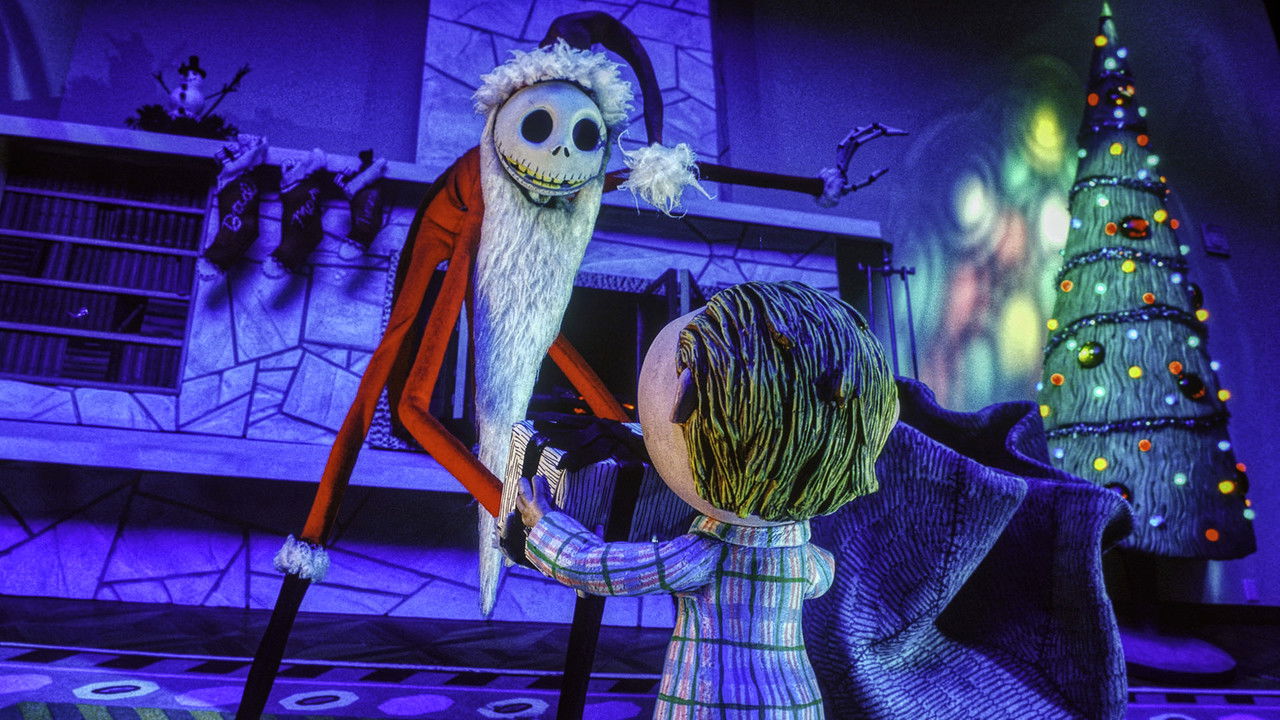
The Ending, Explained
Our breakdown, The Nightmare Before Christmas ending explained, focuses only on the closing chapter so newcomers can avoid early spoilers. The film, directed by Henry Selick, runs a tight seventy six minutes, yet packs a complete arc. We will not recount how the pale king first grew restless; instead we look at the resolution that brings balance back to two holiday worlds. This approach respects the viewer who simply wants to understand the finale without having the setup handed to them in advance.
The final act centers on Sally, the stitched companion, whose quiet resistance becomes crucial. While the pumpkin ruler believes his substitution will delight children, his rag doll partner reads the danger differently. Her actions set the stage for a rescue that restores the proper order. Without shifting focus to earlier events, we can say that the last twenty minutes reframe the entire conflict as a matter of respect between traditions.
What makes the conclusion satisfying is the way it pays off character traits rather than relying on sudden twists. The skeleton monarch’s journey bends toward humility. The rag doll’s quiet bravery echoes through the snowy streets. These elements combine to give the audience a sense of closure that feels earned rather than imposed.
What Happens
Some wonder what happens Nightmare Before Christmas end when the toy filled chaos reaches its peak. In the woods and across the snowy roofs, the misguided delivery meets resistance from both the human world and the creature community. Sally’s efforts to interrupt the plan collide with the arrival of the true saint of the season, who had been taken captive. The confrontation is less about battle and more about recognition of rightful roles.
The conclusion sees the false gift giver retreat to his own murky realm after realizing the error. The bound elder holiday figure is freed, and the correct celebrations proceed. A saving christmas moment arrives as the right person climbs the chimney circuit. The rag doll’s foresight proves that care matters more than spectacle. Children awake to proper presents, and the awkward hybrids of fright and festivity fade from the sky.
For those seeking similar festive rescues, Arthur Christmas shows another angle on last minute salvation. The comparison highlights how different studios imagine the logistics of holiday miracle work.
Observers note that the pacing in this segment is brisk, leaving little time to linger on exposition. That choice keeps the emotion front and center. The viewer is carried by musical cues rather than lengthy explanation, which suits the runtime perfectly.
The Meaning Behind the Ending
The final scene, The Nightmare Before Christmas ending meaning, reveals that identity and role cannot be swapped without consequence. The skeleton monarch learns that borrowing another’s tradition does not bring fulfillment. His return home signals self acceptance rather than defeat. The narrative suggests that everyone has a place where their gifts make sense.
Sally’s victory is subtle; she does not wield fire or magic openly, but her steady heart anchors the resolution. The closing image of the christmas tree and the pumpkin contrasting suggests coexistence of distinct holidays. Rather than one triumphing over the other, the towns remain separate but understood. That nuance gives the film a gentle philosophy about cultural boundaries.
Another layer involves the idea of villainy. The so called antagonist never wished harm; he wished to participate. The ending reframes him as a learner. This moral softness is why families return to the title year after year, even if the tagline jokes about excluding yours.
Themes You Might Have Missed
The visual style, Nightmare Before Christmas stop motion, demands patience as each frame was posed by hand. Beneath the animation lies commentary on villainy and expectation. The supposed villain is not evil, merely curious. The musical numbers underscore emotion that plain dialogue could not. Every song pushes the character study forward.
Notice the motif of the woods as threshold between realities. The santa claus figure represents order, while halloween stands for necessary shadow. A saving christmas thread warns against imposing one culture on another. Even the humble christmas tree becomes a symbol of restored peace. The pumpkin that named the king serves as a reminder of innate identity.
Fire appears as both danger and warmth, magic as the glue between realms. The skeleton imagery is not morbid but celebratory of form. These touches reward repeated viewing because the background details hide small continuities. A careful watch reveals how the holiday decorations evolve across the finale.
If you enjoy animated spirits, The Canterville Ghost delivers a gentle spectral tale. Its tone differs but the theme of misunderstood otherworldly visitors feels adjacent.
How Good Is The Nightmare Before Christmas, Really?
This section, The Nightmare Before Christmas explained, weighs reception beyond nostalgia. With a rating near seven point eight five out of ten from over ten thousand votes, the picture holds wide affection. The voice cast including Danny Elfman and Catherine O'Hara brings texture to the musical fantasy. Their performances embed humor into the macabre.
Some modern viewers feel the darker tones suit older audiences, yet families still gather around it each year. The tagline “A holiday film for the whole family... except yours” hints at its cheeky edge. Runtime brevity keeps the pacing brisk. The combination of family animation with gothic design creates a niche that few competitors occupy.
Critics of the era noted the detailed puppets and painted backdrops. The score by the lead vocalist intertwines with the story so tightly that scenes feel like stage numbers. Such craft elevates the movie above simple seasonal filler. It remains a reference point for handmade fantasy.
A shorter festive option is Stick Man, which offers a milder outing for young kids. Watching both back to back shows how wide the animation spectrum can be.
The Nightmare Before Christmas Need to Know
Before you stream, note key facts: director Henry Selick crafted a fantasy animation family piece. Main voices: Danny Elfman, Chris Sarandon, Catherine O'Hara, William Hickey, Glenn Shadix, Paul Reubens, Ken Page, Edward Ivory. Themes span skeleton, fire, magic, holiday, santa claus, halloween, villain, musical, christmas tree, saving christmas, pumpkin, woods. The listed tagline promises a holiday film for the whole family except yours, marking its tonal wink.
The duration is seventy six minutes, making it an easy insertion into a busy evening. Ratings aggregate to seven point eight five two from ten thousand seven hundred eighty five votes, suggesting consistent appreciation. Whether you analyze the finale or simply enjoy the songs, the movie remains a singular blend of spooky and merry. Its legacy endures because the ending respects both the scary and the sweet.