The Nanny (1993): Flashing from Flushing to Broadway
A warm series finale brings Fran Fine and Mr. Sheffield's household full circle in this sitcom ending explained.
October 28, 2026
The Ending, Explained
When a beloved sitcom wraps its run, viewers often look back at the journey rather than a single twist. For this flashy girl from Flushing, the conclusion of the series brings the household full circle. Our summary of The Nanny ending explained highlights the warm tone built between a sassy caregiver and a sophisticated Broadway producer. The show never relied on dark turns; its final act strengthens the comic misadventures that defined the earlier chapters.
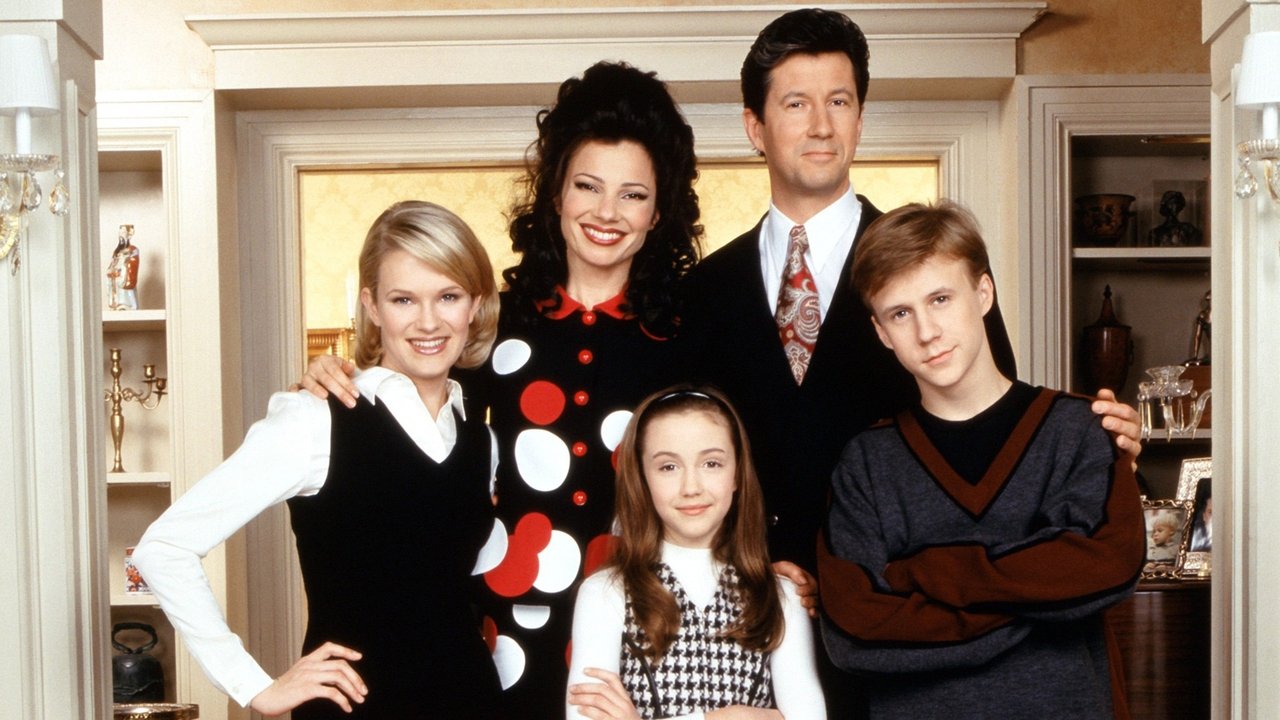
Fran Fine, played by Fran Drescher, remains the heart of the story. Alongside Charles Shaughnessy's Mr. Sheffield, the ensemble including Daniel Davis, Lauren Lane, Nicholle Tom, Benjamin Salisbury, Madeline Zima, and Renée Taylor created a family dynamic that felt both theatrical and intimate. The rating of 8.1 from over thirteen hundred votes shows how audiences embraced that tone.
The series sits comfortably in the Comedy and Family genres, and its tagline promises the flashy girl from Flushing with an angelic core. That promise is not abandoned when the credits roll for the last time. Instead, the closing moments celebrate the odd mixture of Manhattan polish and Queens sparkle that made the premise work.
Many long-running comedies struggle to balance resolution with openness. This program, built on the comic misadventures of a sweet and sassy caregiver, found a middle path. The final act does not undo the employer employee relationship; it matures it.
Fans of classic household comedies might enjoy The Cosby Show, which also centers on family relationships within a lively home, though with a different New York backdrop and a distinct generational focus.
What Happens
Without revealing the early setup, we can sketch the broader movement of the finale. A clear view of what happens end of The Nanny is rooted in the everyday chaos of a domestic worker turned beloved nanny. The boisterous brood and wisecracking staff gather in moments that pay off the employer employee relationship established from the start. It is a sitcom, so the resolution favors laughs and heart over suspense.
The tagline promises "the flashy girl from Flushing, the Nanny named Fran," and that promise holds through the closing scenes. Fran's nasal voice and angelic intent guide the household toward a settled rhythm. Her sophistication-challenged yet loving approach contrasts with Mr. Sheffield's polished world, and the final episodes lean into that contrast for gentle humor.
We see the children, portrayed by Nicholle Tom, Benjamin Salisbury, and Madeline Zima, reflect the lessons of openness learned from their caretaker. The wisecracking staff, including Daniel Davis and Lauren Lane, continue to provide the barbed observations that frame the household's evolution. None of this requires a twist; it requires timing, which the cast had mastered.
If you appreciate workplace-family hybrids, Who's the Boss? offers a similar blend of boss and caregiver tension, making it a natural next watch after this series. Both shows explore how a paid position can become a parental partnership.
The Meaning Behind the Ending
Looking deeper, The Nanny ending meaning sits in the acceptance of chosen family. The fine line between babysitter and member of the household blurs across the runtime, and the conclusion makes that blur permanent. Fran arrives as an outsider from New York City's boroughs, yet the Sheffield home becomes her anchor.
Our The Nanny ending analysis suggests the writers used the final act to affirm that female protagonist stories can thrive on confidence and comedy rather than traditional authority. The employer employee relationship shifts into mutual respect, showing that a domestic worker can reshape a wealthy family's emotional life.
The sophisticated employer, Mr. Sheffield, begins as a distant figure of Broadway prestige. By the end, his brood and his staff share a common language with Fran. That trajectory speaks to the show's quiet belief that class boundaries are softer than they appear when kindness enters the room.
Another show with a matriarchal comic touch is Petticoat Junction, where a rural household's women command the screen in a lighter vein. While the settings differ, the centrality of strong female energy links the two programs.
Themes You Might Have Missed
Beyond the obvious laugh track, the series quietly explores urban identity. The Nanny explained through its setting shows how new york city energy travels into a privileged Manhattan residence. Fran's Flushing roots are not just a joke; they represent a working-class perspective inside elite spaces.
Family relationships form the core. The children—played by Nicholle Tom, Benjamin Salisbury, and Madeline Zima—grow under Fran's influence, while Lauren Lane's stern assistant and Daniel Davis's butler provide commentary on class and loyalty. The sitcom format lets these themes breathe without heavy messaging.
Attention to the female protagonist angle reveals a show unafraid of a bold wardrobe and bigger personality. Fran Drescher's performance turns the babysitter archetype into a force of nature. The domestic worker label becomes a starting point, not a limitation. Themes of employer employee relationship recur as the household adjusts to Fran's methods.
We should also note the sitcom structure itself as a theme. The comic misadventures described in the plot summary are not random; they are a deliberate machine for testing the family's flexibility. Each mishap teaches the Sheffield clan to value warmth over protocol. The new york city setting is more than a postal code. It is a character that informs Fran's candid style and the household's eventual adaptability. The clash of Queens frankness with Manhattan refinement fuels both jokes and growth.
Our Rating for The Nanny
With a community score of 8.1 out of 10 across 1354 votes, the series earns a strong recommendation for viewers seeking comfort comedy. We echo that number, citing its rewatchable ensemble and the genuine affection between characters. The blend of Comedy and Family genres is honored from pilot to finale.
While no single episode defines the show, the cumulative effect of the comic misadventures leaves a smile. The rating reflects not just nostalgia but solid craft in sitcom storytelling. Fran's voice, described as a slightly more nasal angel, is an acquired delight that rewards patience.
The performance of the main cast elevates the material. Charles Shaughnessy's polished producer, Renée Taylor's familial presence, and the younger actors' reactions create a stage where Fran Drescher can shine. This synergy explains the enduring votes. Beyond the numeric score, the volume of votes indicates a dedicated following. A rating built on 1354 individual judgments suggests the show's humor translated across demographics.
The Nanny Quick Facts
- Title: The Nanny (1993)
- Genres: Comedy, Family
- Rating: 8.1/10 from 1354 votes
- Tagline: The flashy girl from Flushing, the Nanny named Fran.
- Main cast: Fran Drescher, Charles Shaughnessy, Daniel Davis, Lauren Lane, Nicholle Tom, Benjamin Salisbury, Madeline Zima, Renée Taylor
- Themes: new york city, babysitter, family relationships, female protagonist, employer employee relationship, sitcom, domestic worker
The plot summary reminds us of "that flashy girl from Flushing with the heart of an angel (and the voice of a slightly more nasal angel)." The quick facts above ground the show's lasting appeal. Whether you start from the first misadventure or jump to the final bow, the warmth is consistent.
For those tracking the arc, the ending does not discard the tagline's promise. Instead, it confirms that a babysitter from the outer boroughs can become the emotional center of a Manhattan household. That is the quiet victory the series leaves behind.