The Lowdown (2025): Tulsa Truth and the Cost of Digging
A look at The Lowdown (2025) ending and what it says about Lee Raybon's dangerous obsession with the truth.
October 16, 2026
The Ending, Explained
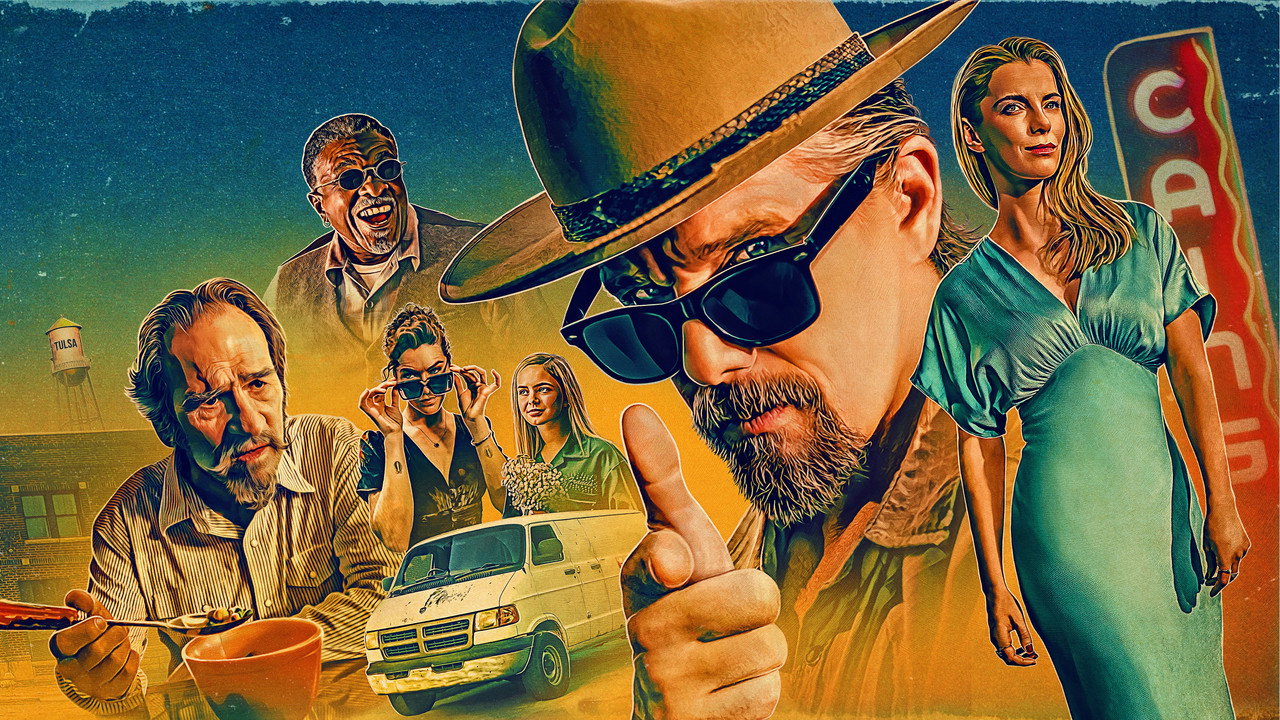
Few shows arrive with as clear a sense of place as The Lowdown. Built around Ethan Hawke’s Lee Raybon—a citizen journalist who proudly calls himself a Tulsa “truthstorian”—the series fuses crime drama grit with a darkly comic streak. The tagline, “Unearthing lies is a dirty business,” makes it obvious from the first frame that the creative team has no interest in glamorizing the hunt for facts. Instead, the show digs into a very specific corner of Oklahoma and lets the regional texture do much of the heavy lifting.
Making sense of the finale means accepting that the series is less interested in a conventional twist than in examining what happens when a self-appointed truth-teller refuses to look away. The episode delivers The Lowdown ending explained with the same rough-hewn patience that defines Tulsa itself. There is no tidy parade of confessions, no clean handoff to law enforcement. What you get instead is a slow reckoning, one that feels earned by the episodes leading up to it.
What Happens
Viewers often ask what happens at the end, but the series seems more invested in asking why the truth matters so much in Tulsa. By the final act, Lee Raybon’s obsession with buried facts has dragged him into the kind of trouble that cannot be solved with a strongly worded article. The narrative refuses to stage a simple showdown between good and evil. Instead, it places its protagonist in a position where the pursuit of accountability costs him something personal and irreversible.
Because the show operates as a neo-western as much as a crime drama, the climax is shaped by landscape as much as by dialogue. The general sense of a community guarding its own secrets feeds into the final confrontation. Lee’s investigation, which began as a one-man crusade, ends up exposing fault lines that run deeper than any single case. The finale does not undo the damage; it makes the damage impossible to ignore.
The Meaning Behind the Ending
The Oklahoma landscape gives The Lowdown ending meaning a texture that urban crime dramas rarely achieve. Lee Raybon is not working in a glassy metropolis where truth can be outsourced to faceless institutions. He is operating in a place where everyone knows everyone, where history is personal, and where calling out a lie can mean alienating your neighbors for good. The cowboy imagery woven throughout the show is not decorative; it reframes the citizen journalist as a lone rider who cannot abide corruption, even when the rest of the town would rather let sleeping dogs lie.
That refusal to let sleeping dogs lie is both Lee’s greatest virtue and his most destructive flaw. The series treats his “truthstorian” label with obvious affection but also with clear-eyed honesty about the wreckage such obsession can leave behind. The ending is not a celebration of his righteousness. It is a sober acknowledgment that in a community built on quiet compromises, the person who insists on speaking up will always pay a price.
Themes You Might Have Missed
One of the quieter threads running through the series is its dark comedy. Lee’s methods are frequently impractical, his self-mythology is enormous, and his ability to stumble into danger would be almost cartoonish if Hawke did not play it with such grounded conviction. The show understands that in real life, people who hunt for truth are rarely suave. They are stubborn, occasionally reckless, and often deeply inconvenient to the powerful. That comedic undercurrent keeps the series from becoming self-important, even when it is asking serious questions about media, power, and responsibility.
Another easily overlooked element is how the show treats investigative journalism not as a solitary act but as a communal risk. Every source Lee leans on, every person who decides to talk, is putting something on the line. The finale makes it clear that truth-telling in this world is a collective burden, not a one-man show. If you enjoy stories that examine how information moves through a closed community, you might also appreciate Longmire, which similarly explores justice in a rural setting where personal loyalties constantly collide with legal ones.
Final Verdict on The Lowdown
Everything before The Lowdown final scene functions as setup for a conclusion that prioritizes atmosphere over spectacle. Fans of neo-westerns will find plenty to chew on in the show’s visual language and its morally bruised protagonist. Viewers who prefer tightly plotted procedurals may occasionally wish for faster answers, but the series earns its deliberate pace by keeping the focus on character rather than casework.
The show, The Lowdown explained through the eyes of a self-styled truthstorian, refuses to let its audience feel comfortable. It is a crime drama with the soul of a western and the nervous energy of a dark comedy. For another look at how law and disorder collide on the frontier, check out Walker Independence. And if period-set investigations are more your speed, Perry Mason offers a similarly moody dive into the costs of digging below the surface.
The Lowdown Need to Know
The Lowdown is a 2025 crime drama starring Ethan Hawke as Lee Raybon. Currently sitting at 6.7 out of 10 based on early audience votes, the series blends dark comedy, neo-western atmosphere, and investigative journalism into a distinctly Oklahoman story. There is no listed director or runtime available at this time, but the tagline—“Unearthing lies is a dirty business”—captures the show’s spirit with unsettling accuracy.
If you are looking for a slow-burn finale that trusts its viewers to sit with ambiguity, this one delivers. It will not tie every thread into a neat bow, but it will leave you thinking about the price of truth long after the credits roll.