The Love Boat (1977): Crew Helps Passengers Find Romance
The Love Boat (1977) is a comedy-drama about crew helping passengers find romance on tropical voyages where love ultimately wins.
October 21, 2026
The Ending, Explained
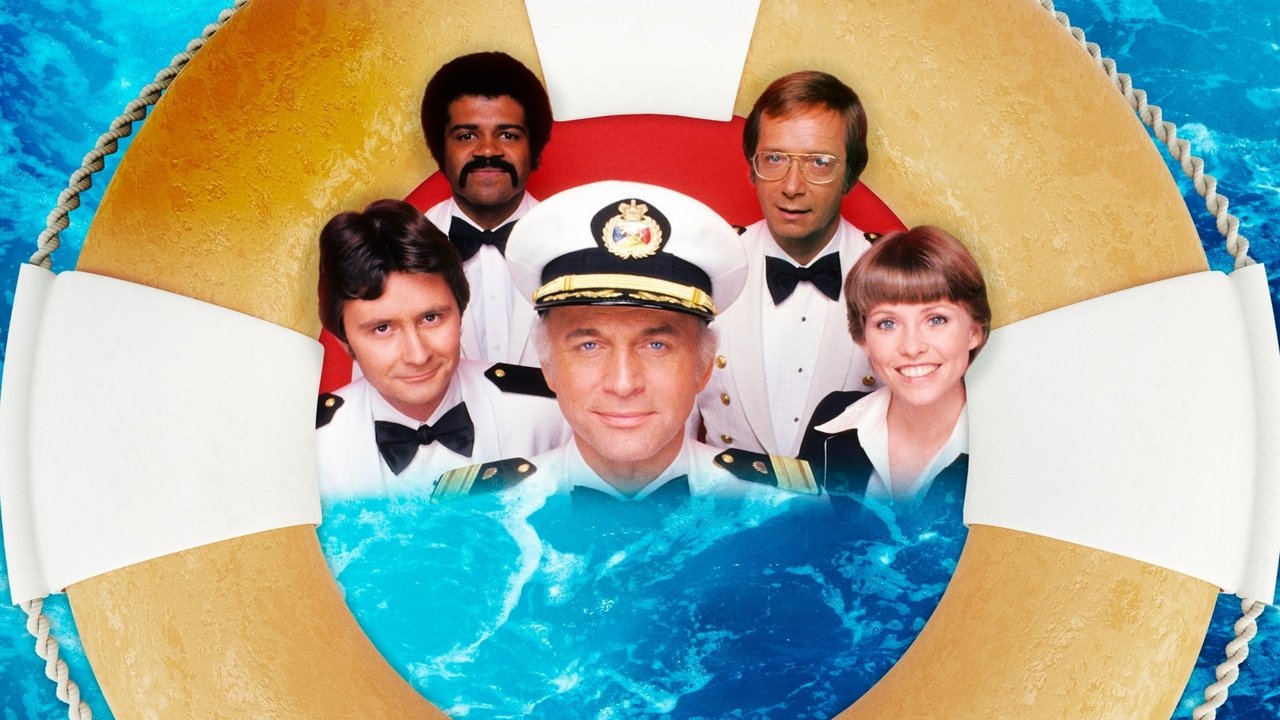
The Pacific Princess and her voyages gave audiences a reliable formula for romance mixed with light comedy. The final episode, The Love Boat ending explained, confirms that affection prevails after mild complications rather than through shocking revelations. Across its comedy-drama blend, the program presents passengers who seek romantic nights aboard a beautiful ship travelling to tropical or mysterious countries. They decide to spend vacation aboard the vessel, and the crew works to please them. Without revealing early setups, we can say the closure focuses on emotional payoffs instead of plot twists. Captain Stubing, Julie, Gopher, Dr. Bricker, and Isaac each contribute to the warm atmosphere that defines the closure. The rating of 6.239 out of 10 from 201 voters suggests a modest but devoted reception among those who enjoy gentle storytelling. Ultimately, the termination of each story arc leaves the audience with a sense of fulfillment that matches the show's promise.
Understanding the conclusion does not require knowledge of hidden secrets because the narrative wears its heart openly. The cruise ship functions as a safe harbor where personal fears can be set aside. When we examine the last moments, the emphasis falls on connection rather than conflict. This approach makes the ending accessible to first-time viewers who discover the series through streaming platforms. The ensemble of regulars supports the guests, and that framework is part of why the finale feels earned. Love wins not by accident but through small kindnesses performed by the staff and the openness of the travelers.
What Happens
Passengers who board the cruise expect transformation and perhaps a meeting that changes their lives. The last scene, what happens at the end of The Love Boat, shows couples united and spirits lifted after the inevitable minor setbacks. Earlier, things are not always easy, but the staff persists with good humor. Gopher, Dr. Bricker, Isaac, Julie, and Captain Stubing try their best to please visitors and sometimes help them fall in love. The narrative avoids harsh conflict, preferring gentle misunderstandings that resolve before the voyage ends. When the ship reaches port or the episode concludes, love wins in a manner consistent with the tagline's assurance.
The structure of these conclusions follows a comforting pattern. Travelers arrive with doubts, the crew offers guidance, and the beautiful ship travelling to tropical or mysterious countries provides a backdrop for discovery. Fans of ensemble casts may also enjoy How I Met Your Father, which similarly balances group dynamics with romantic quests. The Love Boat's format relies on a rotating guest list, yet the constant crew anchors the familiarity. By the final beat, any earlier tension has melted into celebration, confirming the series' optimistic contract with its audience.
The Meaning Behind the Ending
A closer reading reveals more than a simple happy tag. The resolution, The Love Boat ending meaning, points to an optimistic worldview where strangers connect on a cruise ship removed from ordinary shore life. The tagline promises that you cannot lose on this cruise, and the finale delivers that promise through repeated emotional validation. By placing diverse people on a ship, the show uses isolation from shore to heighten intimacy and lower social barriers. Love is not forced but nurtured by the environment and the attentive crew who anticipate needs without intrusion.
The combination of drama and comedy allows both laughter and tenderness to coexist in the closing moments. Marion Ross and other cast members populate a world where emotional risk is rewarded rather than punished. This significance explains why the series remains referenced in popular culture as a shorthand for harmless romance. The ending meaning extends beyond the individual couplings; it suggests that community formed at sea can heal lonely hearts. Such a message resonates with viewers who return for the dependable warmth of the program's vision.
Themes You Might Have Missed
Beneath the light surface, the writing carries subtle motifs about human connection. The nautical tale, The Love Boat explained, uses a ship as a microcosm of society where class and background fade against the horizon. Themes of ship and cruise ship dominate, serving as both setting and symbol for transition and possibility. Travel to tropical or mysterious countries broadens the palette, yet the constant is the vessel itself carrying people toward openness. Comedy arises from awkward encounters, while drama emerges from genuine vulnerability shown in quiet conversations on deck.
The ensemble including Gavin MacLeod, Bernie Kopell, Ted Lange, Lauren Tewes, Jill Whelan, Ted McGinley, and Marion Ross embodies a workplace family that mirrors the passenger bonds. For a different take on getaway humor, Cuckoo explores holiday mishaps with a similar reliance on setting to generate warmth. Observing these layers enriches repeat viewings because the cruise ship becomes a character guiding the emotional rhythm. The show's gentle approach to romance does not undermine its thematic depth regarding trust and second chances.
The Verdict on The Love Boat
The overall package earns a gentle recommendation for fans of soft romance and procedural intimacy. The Love Boat 1977, with its 6.239 rating from 201 votes, sits as a cult favorite rather than a critical darling, yet that number reflects a specific niche audience. The tagline "You Say You Can't Score on Shore? On This Cruise... You Can't Lose!" encapsulates the pitch perfectly for newcomers. Performances from the main cast keep the tone inviting even when plots turn faintly predictable. While not every installment reaches depth, the cumulative effect is soothing and dependable.
Those who enjoy service-sector ensembles can also stream Hotel Babylon for a land-based counterpart that shares the hospitality spirit. The show's legacy is its assurance that connection is possible, even on a brief voyage with strangers. As a drama-comedy hybrid, it never pretends to be more than a pleasant diversion, and that honesty is part of its charm. Viewers seeking complex narratives may look elsewhere, but those wanting heart will find it aboard this ship.
The Love Boat Overview
The program combines drama and comedy on a beautiful ship travelling to tropical or mysterious countries. Passengers search for romantic nights, and the crew—Gopher, Dr. Bricker, Isaac, Julie, and Captain Stubing—assist them in finding companionship. Though challenges appear, the end always favors love according to the established pattern. The central cast includes Gavin MacLeod, Bernie Kopell, Ted Lange, Lauren Tewes, Jill Whelan, Ted McGinley, and Marion Ross, who bring consistency to the rotating stories. Its enduring tagline and moderate rating reflect a specific niche that values optimism over edge.
As a standalone experience, the series offers comfort viewing with a nautical twist that few others attempt. The fixed setting of a cruise ship becomes a character itself, guiding the emotional rhythm of each conclusion. New viewers can approach it as a relaxed anthology of courtship on the waves, where the destination matters less than the journey shared. The Love Boat 1977 remains a touchstone for lighthearted ensemble storytelling, proving that a simple promise of romance can sustain a long voyage across television history.