The Legend of Korra (2012): Korra's Quest to Master the Self
A headstrong young Avatar named Korra fights tradition and seeks inner balance on her quest to master all four elements.
November 1, 2026
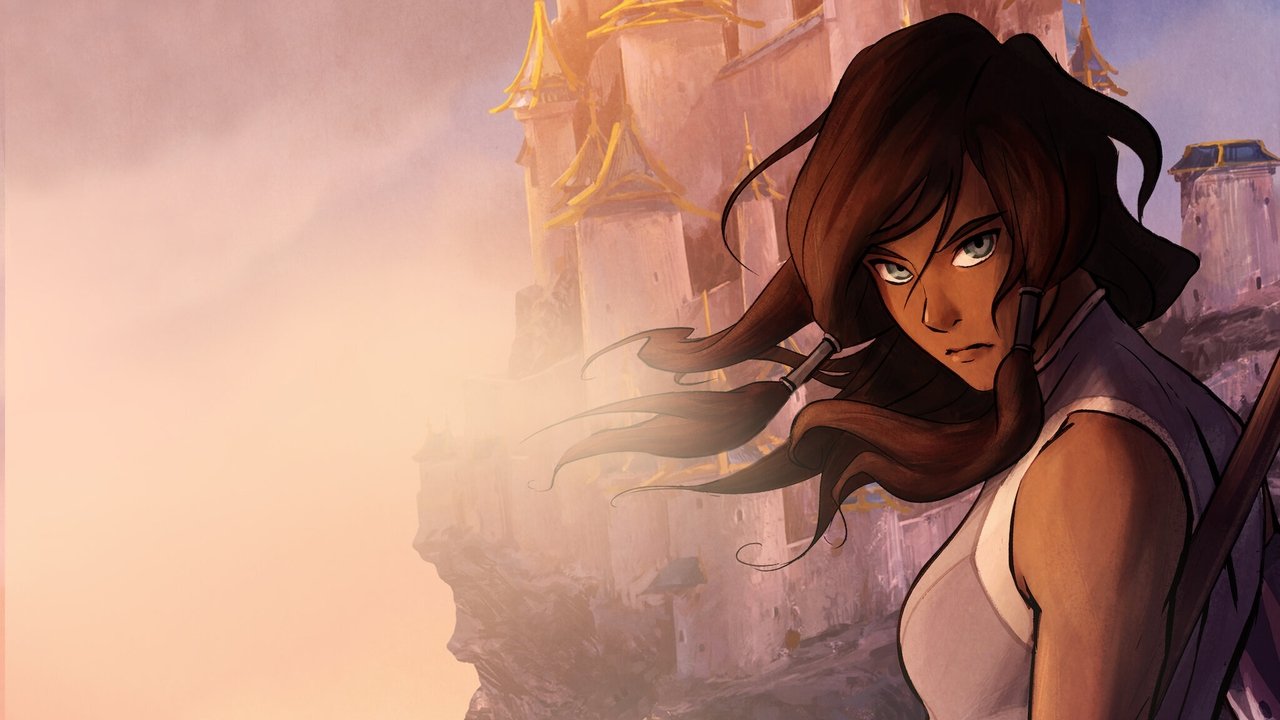
The Ending, Explained
When viewers reach the finale of this animated adventure, they often search for The Legend of Korra ending explained because the closure is more contemplative than explosive. The story follows a headstrong young woman named Korra who repeatedly pushes against tradition while training to master all four elements. Without revealing the early episodes, we can say that the final stretch centers on her personal growth rather than introducing new conflicts. She has spent the runtime on a path to become a fully realized Avatar, and the last chapters ask whether she can accept herself fully.
The production blends martial arts choreography with a steampunk-tinged fantasy world, yet the conclusion is quiet in its emotional core. Korra's rebellion against custom becomes a strength when she learns to listen to her own spirit. This is a show that wears its spirituality openly, drawing on Buddhist ideas of balance and inner peace. The ending does not simply tie a bow on the action; it invites the audience to sit with the character's hard-won calm.
We avoid detailing the opening chapters so new viewers can experience Korra's initial defiance fresh. The breakdown here only touches the themes that pay off later, which keeps the first act free from spoilers while still honoring the narrative design.
What Happens
For those curious about The Legend of Korra what happens in the final chapters, the answer lies in her continued avatar quest and the necessity of harmonizing the physical and metaphysical. Her friends remain nearby, offering friendship and romance that ground her during moments of doubt. The final act portrays her struggle to find equilibrium inside, which is the true battle of the series.
Viewers who enjoy kinetic martial arts storytelling might also appreciate Jackie Chan Adventures, a series that shares a similar respect for disciplined movement and Asian-inspired mythology. Both programs present young heroes learning that control comes from within. In Korra's case, the events avoid cheap resurrection or sudden power upgrades, instead paying off the emotional seeds planted throughout her coming-of-age journey.
The closing movement of the plot does not rely on external spectacle alone. It shows a female protagonist in a fantasy world taking accountability for her own turbulence. That choice makes the resolution feel earned rather than manufactured.
The Meaning Behind the Ending
Understanding The Legend of Korra ending meaning requires looking at the show's tagline: only the Avatar can master all four elements. Mastery, as the finale suggests, is not merely external command of water, earth, fire, and air. It is the integration of self. Korra begins as feisty and rebellious, but the culmination of her story is the discovery that tradition and innovation can coexist inside one person. The spirit world and the human world are shown to be two sides of the same balance.
This resolution carries weight because it reflects the series' softer themes of spirituality and Buddhism. The closing moments emphasize that a fully realized Avatar is someone who has made peace with her own flaws. For a female protagonist in a fantasy world, that message of self-acceptance is both quiet and radical. The ending meaning, then, is about wholeness rather than victory.
Themes You Might Have Missed
A fuller The Legend of Korra explained look reveals layered motifs beneath the action. The series is a spin off that builds a rich fantasy world while quietly exploring several ideas:
- Friendship as a stabilizing force during transformation
- Romance that develops without overshadowing the hero's path
- Steampunk aesthetics mixed with classical Asian settings
- Coming of age framed through spiritual trial
- The constant presence of spirits as mirrors for inner states
- Martial arts as a language of respect and growth
These elements combine to create a textured narrative. The female lead carries the story without being reduced to a single trait, and the Asia-inspired backdrop feels lived-in. For those who want another modern animated take on identity, Adventure Time: Fionna and Cake offers an adjacent meditation on self-discovery in a sprawling fantasy canon.
Another subtle thread is how the show treats its spirituality not as doctrine but as practice. Small moments of stillness echo Buddhist principles more loudly than any lecture could.
Our Rating for The Legend of Korra
The aggregated score for this title sits at a strong 8.222 out of 10 across 2473 viewer votes on our streaming platform. That number reflects affection for its ambition even when the narrative takes risks. As an animation leaning into action, adventure, sci-fi, and fantasy, it earns praise for giving a headstrong young woman center stage. The rating suggests audiences connect with the sincerity of her avatar quest and the warmth of her companions.
We think the high mark is deserved because the final act respects the viewer's intelligence. Rather than manufacturing a twist, it delivers emotional clarity. The voice cast, including Janet Varney, David Faustino, P.J. Byrne, Seychelle Gabriel, J.K. Simmons, and Dee Bradley Baker, brings nuance to characters who could have been flat. Their performances help the conclusion land. Director information is not listed, and runtime details are unavailable, but the episodic journey itself feels complete.
The Legend of Korra Fast Facts
For quick reference, the core The Legend of Korra avatar quest is the spine of the plot: a rebellious hero learns to balance inside and out. Genres listed are Animation, Action & Adventure, Sci-Fi & Fantasy. The tagline reminds us that only the Avatar can master all four elements. Main cast members include Janet Varney, David Faustino, P.J. Byrne, Seychelle Gabriel, J.K. Simmons, and Dee Bradley Baker. Themes span Buddhism, martial arts, Asia, friendship, romance, steampunk, coming of age, spirituality, female protagonist, spirit, spin off, and fantasy world.
If you want to see where the franchise heads next, Avatar: Seven Havens is an upcoming title in the same universe scheduled for 2026. It promises to continue the tradition of weaving spirituality with elemental action. Until then, revisiting Korra's journey offers a complete arc about a young woman becoming whole. The show stands as a distinct entry in animated fantasy, with a finale that rewards patient viewing.