The Late Late Show with Craig Ferguson (2005): A Network TV Voice
Craig Ferguson's Late Late Show ended not with a twist but with the close of a singular comedic voice in network television.
October 20, 2026
The Ending, Explained
For most scripted series, an ending exists to tie up loose ends. For a late-night talk show, an ending works differently. Late Late Show Ferguson ending explained summaries tend to emphasize tone rather than plot, which makes sense for a program built on conversation. The conclusion of Craig Ferguson’s tenure is not defined by a final twist or a surprise reveal. Instead, it is defined by the sense that a distinct voice in the crowded landscape of network television has said everything it needed to say. The ending matters because the journey that led to it was so unusually personal.
What Happens
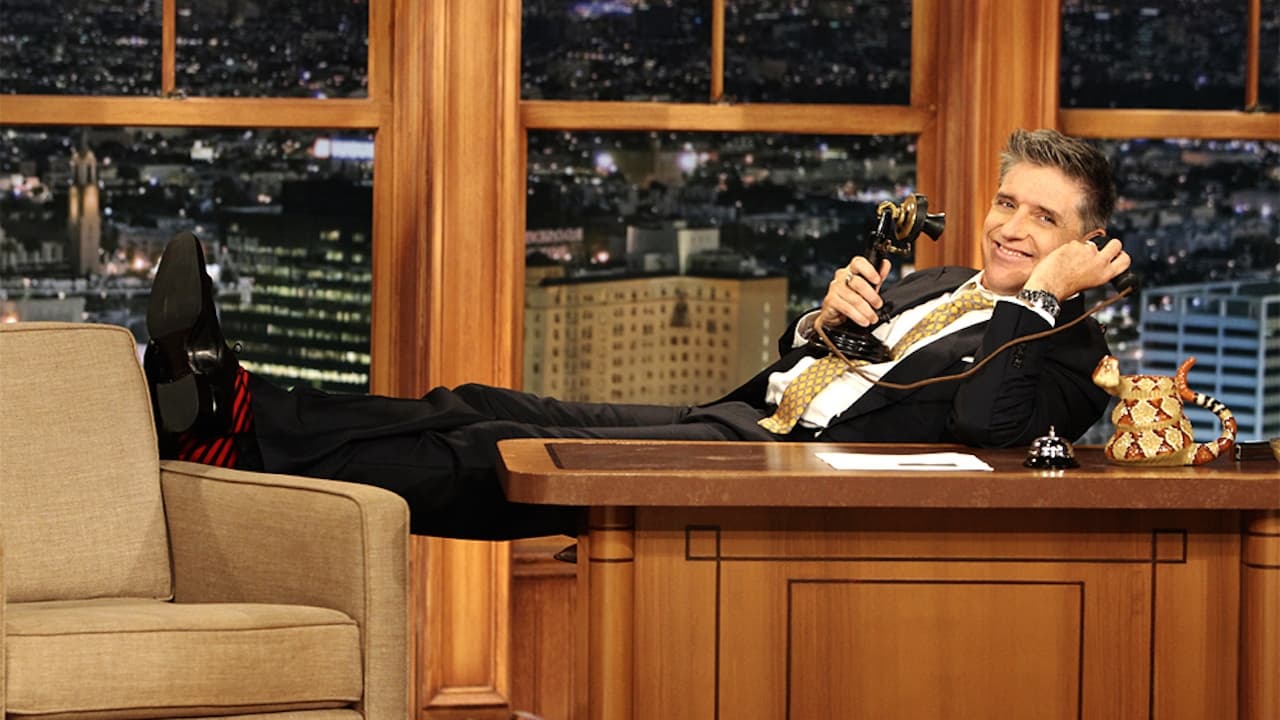
The Late Late Show with Craig Ferguson is an American late-night talk show hosted by the Scottish American comedian Craig Ferguson. He served as the third regular host of the Late Late Show franchise, stepping in on January 3, 2005, after Craig Kilborn and Tom Snyder. The program aired weeknights at 12:37 a.m. on CBS, directly following the Late Show with David Letterman. It was taped in front of a live studio audience from Monday to Friday at CBS Television City in Los Angeles, California, directly above the Bob Barker Studio. Production came from David Letterman’s company Worldwide Pants Incorporated and CBS Television Studios.
Under Ferguson, the show reached the highest ratings of its life. The franchise began in 1995, but his arrival gave it a new identity. Most episodes leaned into comedy, yet Ferguson did not shy away from heavier material. He spoke openly about the deaths of his parents, and he conducted serious interviews, including one with Archbishop Desmond Tutu. That interview earned the show a 2009 Peabody Award, proof that a talk show could balance silliness and sincerity without losing credibility. Even the Craig Ferguson robot horse puppet functioned as a signal that this was not a standard celebrity chat machine.
Viewers who enjoy seeing the talk format stretched in new directions might also appreciate A Little Late with Lilly Singh, which carries a similarly modern sensibility and proves that the late-night landscape keeps evolving.
The Meaning Behind the Ending
Late Late Show Craig Ferguson explained arguments usually begin with the recognition that Ferguson reshaped the 12:37 a.m. slot. Ferguson took a time that many assumed would always play second fiddle and turned it into a space for unpredictable humanity. Late Late Show final episode memories tend to focus less on celebrity stunts and more on the accumulated warmth of the host’s honesty. The ending meaning is rooted in consistency: a host who refused to read generic talking points and instead built a relationship with the audience night after night.
The conclusion of the show is not a cliffhanger that demands resolution. It is the closing of a chapter where a late-night program could be tender, bizarre, and intellectually curious within the same half hour. Late Late Show Ferguson ending meaning debates rarely reach a single conclusion, but they almost always circle back to sincerity. The final act does not undo what came before; it confirms that the experiment worked.
Themes You Might Have Missed
Beneath the desk bits and the horse puppet, the show carried a few persistent themes. Grief sits at the center of Ferguson’s most memorable monologues. By discussing the loss of his parents on air, he broke the unwritten rule that late-night hosts must remain permanently breezy. That vulnerability made the comedy feel earned rather than performed. It gave viewers permission to care about the person behind the desk, not just the bit he was selling.
Another overlooked theme is the dignity of the interview itself. The conversation with Desmond Tutu showed that Ferguson was capable of listening closely, not just waiting for his next punchline. The Peabody recognition for that segment confirms it resonated far beyond the studio. Even the sillier visual gags served a thematic purpose: they kept the show unpredictable, preventing it from settling into the polished blandness that late-night television often defaults to. Together, these threads form a portrait of a host who trusted his audience to follow him anywhere.
Is The Late Late Show with Craig Ferguson Worth Your Time?
If you enjoy comedy that does not follow a formula, this is essential viewing. Ferguson built something that felt handmade in a medium obsessed with focus groups. The episodes are still funny, but they are also documents of a specific comic mind at work. The ratings success proves audiences noticed the difference, and the Peabody Award proves critics did too. That combination of popular appeal and institutional respect is rare for any program that refuses to take itself seriously.
For similar off-kilter energy, Comedians in Cars Getting Coffee captures the pleasure of watching funny people talk without a rigid script. And if you prefer comedy with a sharper opinionated streak, The Jim Jefferies Show offers another host unafraid to mix personal conviction with humor. Both series, like Ferguson’s, understand that the best conversations happen when the format gets out of the way.
The Late Late Show with Craig Ferguson in Short
The Late Late Show with Craig Ferguson stands as the rare late-night program that improved on the standard template by breaking it. Ferguson turned the 12:37 a.m. slot into a place for real feeling, odd jokes, and serious dialogue. Whether you come for the comedy or the quieter moments, the show remains a strong example of what happens when a host is allowed to be fully themselves. The ending does not diminish that achievement; it simply marks the close of one of the most distinctive runs in modern talk television. It is a reminder that a talk show can be art if the host is brave enough to make it personal.