The Last Kingdom (2015): A Quest for Identity
Discover how The Last Kingdom (2015) blends history and fiction to explore identity and the fight for a homeland.
November 3, 2026
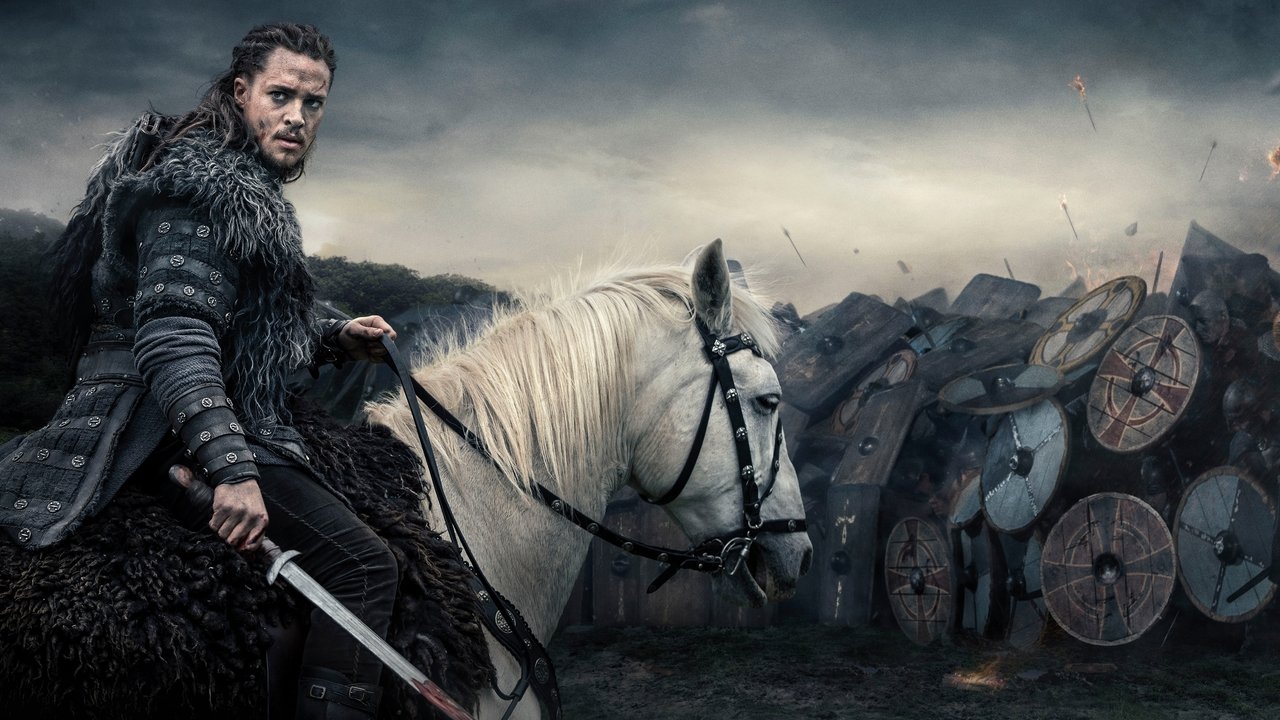
The Ending, Explained
Our article "The Last Kingdom ending explained" examines the final acts without revealing early plot. The series, which first aired in 2015, builds a sweeping narrative about a fractured island in the ninth century. Rather than open with the early struggles of the protagonist, we focus on how the conclusion pays off the long road of conflict between Saxon settlers and Norse raiders.
From the perspective of the English court, the story follows Uhtred, a figure caught between heritage and allegiance. By the time the last episodes arrive, the viewer has seen politics, religion, and personal courage collide. The final stretch does not simply deliver battlefield spectacle; it resolves a universal search for identity that has threaded through every chapter. The show’s tagline, “England is born,” hints at the communal payoff rather than a solitary hero’s triumph.
The closing narrative rewards patience by weaving together the fictional characters with the real historical figures who shaped the era. We see the cost of warfare and the fragile nature of loyalty when crowns are at stake. This breakdown will not disclose the first act’s specific incidents, but it will illuminate why the finale feels like a homecoming for a tired land.
The genres listed for the program include Action & Adventure, Drama, War & Politics, which frame the ending as both intimate and grand. The tonal balance keeps the political chess match as engaging as the shield wall clashes.
If you enjoy military brotherhood tales, you might also appreciate The Unit, which captures the bonds of soldiers under pressure.
What Happens
The question "what happens at the end of The Last Kingdom" is answered by looking at the unified homeland. According to the overarching plot, a people combine their strength under one of history’s most iconic kings to reclaim their land and build a place they call home. The closing act brings heroic deeds and epic battles to a head, allowing the characters to either find peace or perish in the attempt.
Without detailing the opening events, we can say that the latter seasons shift the ensemble after a pivotal loss at the close of the third year of storytelling. Some audiences felt the fourth season stumbled as the original head writer moved on, and a central character’s death reshaped the dynamics. Yet the finale still aims to honor the tagline by showing disparate groups forging a common cause. The rating of eight point two five five out of ten from over two thousand votes suggests the majority stayed invested.
The final episodes present a dark, costume-driven vision of the 9th century where Northumbria and its neighbors face decisive moments. Kings and warriors must decide if personal vengeance matters more than the survival of a culture. The narrative refuses to shy away from the brutal mathematics of siege and alliance.
For those who like period investigations, Paris Police 1900 offers a beautifully crafted historical atmosphere that shares the costume drama appeal.
The Meaning Behind the Ending
We explore "The Last Kingdom ending meaning" through the lens of loyalty. The conclusion is less about who wins a single fight and more about what it costs to create a stable realm. Themes of courage, love, and loyalty are tested as the survivors decide whether to cling to old hatreds or embrace a shared future.
Viewers seeking "The Last Kingdom explained" will find our thematic breakdown useful. The final episodes underscore that identity is not fixed by birth but by the choices made when kingdoms are at stake. The show’s blend of real historical figures with invented personas allows the ending to feel both grounded and mythic. Religion and politics intertwine, showing that a crown is only as strong as the faith placed in it.
The thematic depth embraces warfare not as glory but as a necessary furnace for forging nationhood. When the characters claim a home, they do so on ashes of compromise. That bittersweet tone is why the series resonates beyond typical historical adventure.
Alexander Dreymon leads a cast that includes Eliza Butterworth, Mark Rowley, Ruby Hartley, James Northcote, Arnas Fedaravičius, Harry Gilby, and Timothy Innes. Their performances ground the meaning in human faces rather than flag motifs.
Themes You Might Have Missed
Unlike "The Last Kingdom true story" claims, the show blends fiction with real figures. It is based on a series of novels, weaving Vikings, royalty, and Saxon culture into a historical fiction canvas. The setting of Northumbria in the ninth century provides a dark and cloth-heavy backdrop for a costume drama that never forgets its political core.
- A search for identity amid war and faith
- The contrast between Norsemen and Saxons
- Royalty and the burden of leadership
- Historical drama with fictional embellishment
- The constant pull of loyalty versus survival
- The dark visual tone of 9th century Britain
Another title with a quiet emotional core is Zekkyo, which also studies personal memory within a structured society. Both works remind us that era pieces can be intimate even when armies march.
Attention to detail in the wardrobe and the frequent nighttime sequences give the series its dark tone. The presence of kings and the iconic ruler mentioned in the premise remind us that the narrative is as much about nation-building as it is about individual glory. Viewers who blink might miss the subtle religious arguments that dictate alliances.
The term “costume drama” fits because every mantle and sword reminds us of status. Yet the show never lets the clothing overshadow the human cost of rule. Each sewn hem carries a quiet comment on whose blood paid for the cloth.
The Last Kingdom: What We Thought
The collection of episodes presents heroic deeds and epic battles with a thematic depth that embraces politics, religion, warfare, courage, love, loyalty, and our universal search for identity. While some viewers noted that the momentum cooled in the fourth season after a showrunner change, the overall arc remains a strong example of historical adventure television.
The main cast deliver performances that keep the personal stakes clear even when armies clash. The show’s ability to combine real historical figures and events with fictional characters gives it a texture that pure fantasy lacks. We found the final act satisfying because it honors the promise of the tagline without resorting to easy triumph.
That said, the later seasons’ tendency to place kings in frontline melee drew mild criticism from purists. Yet the emotional core survives. The rating of 8.255/10 across 2075 votes indicates a generally positive reception, and the ending, when viewed in full, rewards patience.
A Note on Adaptation
Because the source material is a book series, the screen version trims and reshapes certain beats. This is normal for historical fiction. The result is a streamlined path to the finale that still retains the novel’s meditation on identity.
The Last Kingdom Summary
Taglined “England is born,” the program tells of how a people combined their strength under one of the most iconic kings of history in order to reclaim their land for themselves and build a place they call home. It is a show of heroic deeds and epic battles with a thematic depth that embraces politics, religion, warfare, courage, love, loyalty, and our universal search for identity.
Combining real historical figures and events with fictional characters, the story remains rooted in the 9th century struggles of Saxons and Vikings. Whether you approach it for the battlefield choreography or the slow burn of personal allegiance, the final act brings the promise of the tagline into focus. The journey from fragmentation to a tentative unity is the heart of the experience.
With a runtime that spans multiple seasons, the story allows its themes to simmer. The viewer who reaches the finale earns the closure offered. Before leaving, remember that the series is a work of historical fiction drawing from novels, not a documentary. Its power lies in the emotional resonance of characters like Uhtred rather than strict chronicle accuracy. The ending, properly considered, is an elegy for a divided age and a hopeful chant for a united shore.