The Lament of Autumn (2026): A Student's Bargain for Justice
A student falsely accused of assassination finds her fate tied to a ten-day bargain with the heir who may become her lover.
October 16, 2026
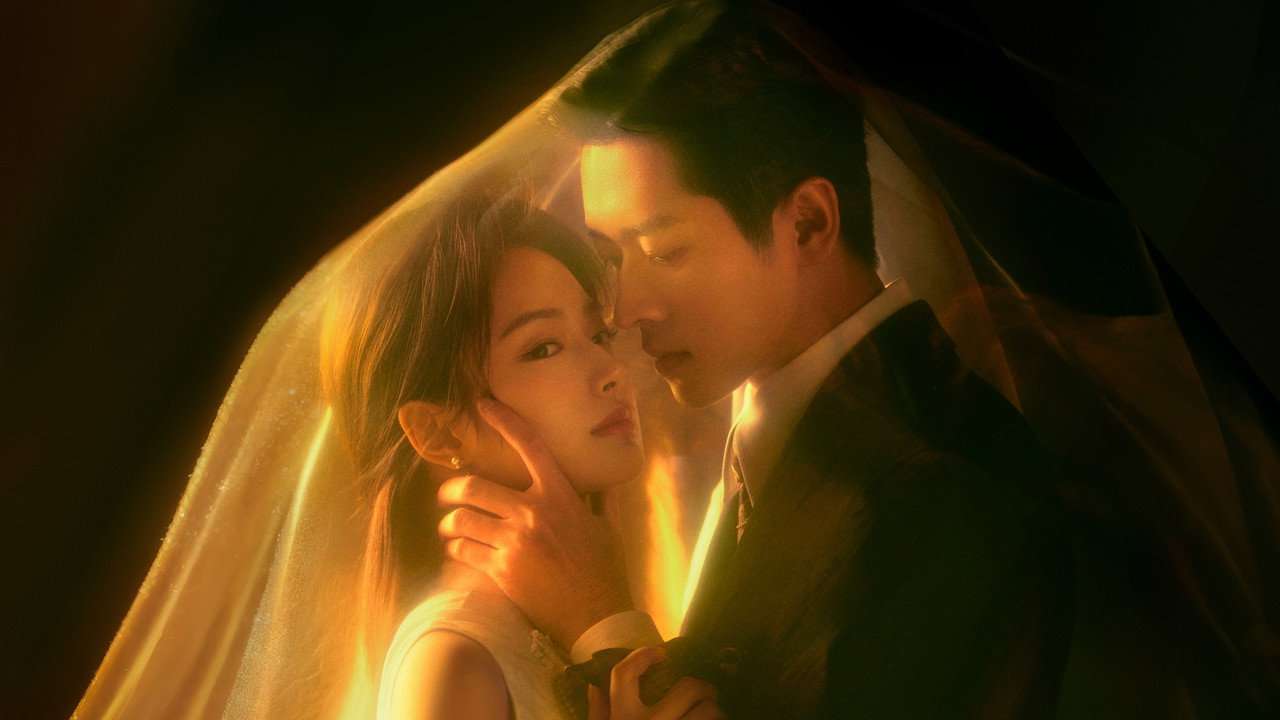
The Ending, Explained
Kuk Kok-Leung's period drama arrives with a quiet intensity that rewards patient viewing. Set in the turbulent Republican era of China during the 1920s, the story adapts a literary source with careful restraint. Our focus here, The Lament of Autumn explained, is less about plot twists and more about emotional resonance. The film earns its 9.0 rating from early audiences by treating romance as a survival tactic. Cheng Lei and Xu Ruohan carry the emotional weight of two people bound by circumstance rather than choice. While the first act remains deliberately off-limits for this discussion, the later movements show a student and a powerful family member negotiating trust. The meeting house in Western Hunan becomes a stage where class and duty collide. This is a period drama that values silence as much as dialogue.
For viewers who enjoy historical affection amid political strain, Sword and Beloved offers a complementary experience from 2025. Both works sketch love against rigid social orders.
The narrative refuses to hand viewers a tidy resolution. Instead, it poses a question about whether personal happiness can outlast collective upheaval. That ambiguity is the point. The director uses the 1920s Chinese republican era setting not as decoration but as a moral pressure cooker. A novel-based approach lets the script dwell on internal conflict. We see the protagonist weighed down by her mother's care and her own precarious position. The absence of a runtime listed simply reminds us that the story moves at its own pace.
What Happens
The middle and final stretches, Lament of Autumn what happens, center on a bargain that tests both parties. A young woman falsely entangled in violence demands that the accused prove her innocence within ten days. What follows is not a typical detective chase but a slow unveiling of character. The powerful Yu family's fifth son, Yu Changxuan, shifts from interrogator to suitor. His calculated courtship masks a network of hidden agendas. As the deadline approaches, the encroaching shadows of war rearrange priorities. The film's final act does not depict battlefields; it shows two people deciding what they owe each other. Romance blossoms under the threat of separation. The viewer is left to ponder if the secrets of the past will dissolve or harden.
Those who appreciate political backdrops may also want to watch Uncle Samsik, a 2024 series that similarly fuses intimacy with national tension.
Without revealing the early setup, we can say the climax turns on a single moral choice. The characters must weigh personal loyalty against familial obligation. The 1920s period detail—costumes, dialects, and meeting-house etiquette—anchors the abstraction. Xu Ruohan's performance communicates more through glance than speech. Cheng Lei matches with a restrained intensity. The result is a drama where what happens is less important than how it happens. The audience feels the weight of each paused moment before a decision.
The Meaning Behind the Ending
The closing moments, The Lament of Autumn ending meaning, invite interpretation rather than certainty. The film asks whether love forged under false accusation can survive truth. Changxuan's hidden web of secrets suggests that even affection is strategic. Yet the tenderness between the leads feels real despite the manipulation. The meaning rests in the tension between public duty and private feeling. War functions as an inevitability that shrinks the space for personal happiness. The ending does not confirm survival or destruction of the romance; it leaves a lingering image of two figures against a changing nation. That ambiguity mirrors the source novel's refusal to console. A 9.0 score from a small vote pool indicates strong resonance with early viewers who value subtlety.
Themes of secrecy and class permeate every frame. The meeting house stands for a society where appearances mask intent. The mother's medical need grounds the abstract in daily desperation. By avoiding first-act specifics, we preserve the discovery for new viewers. The final act's significance is that choice, not fate, defines the characters. They could flee, confess, or persist. The camera lingers on their faces as the answer forms.
Themes You Might Have Missed
The hidden architecture, The Lament of Autumn secrets, shapes the entire arc. The story is a period drama based on a book, yet it speaks to universal pressure. Romance in the 1920s Chinese republican era operated under strict surveillance; every gesture carried risk. The hidden truths of Yu Changxuan's family echo larger state conspiracies. A viewer focused on the love plot might overlook how the assassination attempt (referenced only loosely here) reflects era instability. The film also quietly critiques the idea of innocence as a bargaining chip. Ye Pingjun's demand for clearance within ten days is a feminist claim on agency. Themes of care labor—she works to fund her mother's medicine—underline women's economic bind. The adapted text respects these layers without lecturing.
Readers who enjoy literary romance should not miss Lady Chatterley, the 1993 adaptation that also probes class and forbidden affection.
Another subtle thread is the use of Western Hunan as a cultural crossroads. The region's meeting houses were real spaces of negotiation. The director Kuk Kok-Leung uses location to contrast rural tradition with modern intrigue. The rating of 9.0/10 suggests the approach lands. Main cast Cheng Lei and Xu Ruohan embody the era without imitation. Their chemistry is built on restraint, not grand declaration. Missed themes often include the temporal limit: ten days as a miniature lifetime. The countdown structures emotion like a metronome.
The Bottom Line on The Lament of Autumn
Our verdict, The Lament of Autumn ending explained, is that the film succeeds as a meditative romance rather than a procedural. It trusts the audience to sit with uncertainty. The combination of Republican-era politics, a novel-based script, and two committed performers makes it a standout drama. While the runtime remains unlisted, the pacing feels deliberate. The lone vote giving 9.0 hints at cult potential among patient viewers. We recommend it to fans of period stories where silence speaks. Avoid expecting a solved mystery; embrace the unanswered question. The title itself promises lament, not resolution.
The production never resorts to spectacle. Instead, it observes how people negotiate love when the world outside threatens collapse. Ye Pingjun and Yu Changxuan remain compelling because their motives stay partially obscured. That opacity is the point. A streaming audience might initially seek a clear answer, but the work rewards re-watching. The final image asks us to define survival on our own terms.
The Lament of Autumn FAQ
Is the film based on a book? Yes, the themes list confirms it is based on a novel or book. The adaptation honors the source's quiet tone.
Who directed it? Kuk Kok-Leung helmed this 2026 drama. His handling of the 1920s setting is precise.
What is the main genre? It is a Drama with romance and period elements, set in the Chinese republican era.
Who are the lead actors? Cheng Lei and Xu Ruohan portray the central pair, carrying the emotional narrative.
Does the ending resolve the romance? The plot summary poses that question without answering, leaving meaning open for debate long after the credits roll.