The King of Queens (1998): Arthur Moves In and Doug's Reign Ends
A sitcom about deliveryman Doug Heffernan whose life is upended when his widowed father-in-law Arthur moves in.
October 26, 2026
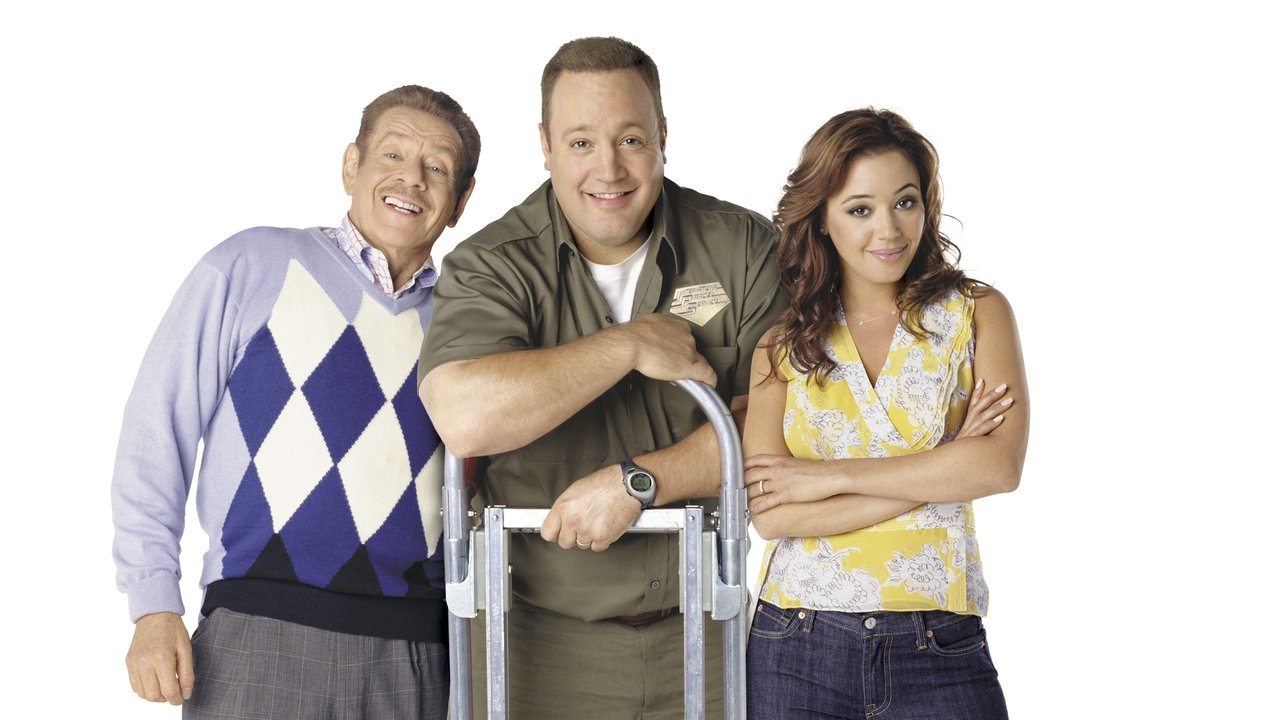
The Ending, Explained
When audiences finish a long-running comedy, many immediately search for The King of Queens ending explained, hoping to pin down a definitive closing moment. This program, however, was never constructed as a puzzle. It is a sitcom rooted in the daily life of a deliveryman in New York City, and its final stretch simply confirms the rhythms that sustained it. We will not walk through the early episodes where the household changes, because the joy of the show is in watching that transformation unfold fresh. Instead, the conclusion can be understood as a gentle affirmation of shared space.
Doug Heffernan begins as a man content with his routines. By the time the series approaches its exit, the narrative shows his happiness does not depend on a private den or a large television. The finale accepts the reshaped home without reversal. That is the clever trick of the writing: the ending feels like a shrug, but it is actually a statement about maturity.
Fans of older domestic comedies will recognize a similar approach in All in the Family, where the characters rarely evolved beyond their foundational conflicts. Both shows used repeated friction as a comfort rather than a problem to be solved.
What Happens
To understand what happens at the end of The King of Queens, it helps to set aside expectations of a cliffhanger. The final act presents the same group of people we have come to know: Doug, his wife Carrie, the father-in-law who altered the living arrangement, and their circle of friends. The show does not send anyone away or rebuild the basement into a throne room. Rather, it settles into the realization that a working-class marriage in New York City survives through small concessions.
Throughout the run, Doug's job as a deliveryman keeps him connected to the borough's streets, while Carrie manages the emotional center of the household. The concluding scenes reaffirm those roles. Arthur remains a source of agitation and inadvertent wisdom. The friends, including the cast, pop in to remind viewers that community matters as much as kin.
Nothing about the closure attempts a reboot of the premise. The camera leaves the characters exactly where their lives would logically place them. For a half-hour comedy, that static quality is the point. The audience is not watching for change but for recognition.
The Meaning Behind the Ending
The King of Queens ending meaning becomes clearer when we examine the title itself. Doug was never meant to be a literal monarch; the label is a jest at his ordinary ambitions. Losing the basement to a relative strips away the illusion of absolute control. The finale suggests that being part of a family means surrendering the crown willingly.
This theme resonates with anyone who has navigated in-laws or multigenerational housing. The show uses humor to soften the blow of compromised privacy. By the end, Doug's identity is no longer tied to a screen and a sofa but to the messy love of his expanded home. That shift is the true resolution, even if no character speaks it aloud.
The tone matches classic blue-collar sitcoms. If you appreciate that style, The Honeymooners offers a comparable lens on a husband learning his limits within a small apartment. The laughter in both arises from pride meeting reality.
Themes You Might Have Missed
The King of Queens explained through its quieter moments reveals a textured picture of late-century urban working life. The series grounds itself in New York City. Marriage is shown as a partnership with sharp edges, where Carrie's strength balances Doug's slacker charm. The in-laws motif is more than a shortcut for jokes; it reflects a real demographic shift toward extended households.
Among the King of Queens funny moments, many are rooted in the clash between Doug's desire for leisure and Arthur's unpredictable behavior. These bits accumulate into a study of patience. The program also threads friendship through co-stars like Patton Oswalt and Victor Williams, showing that a sane outer circle helps absorb domestic chaos.
Another layer is the sitcom format itself. By repeating situations, the show builds a language of catchphrases and reactions. A viewer who tunes in decades later can still follow the logic because the themes of marriage, class, and family are universal.
For those who enjoy this brand of domestic humor, Yes, Dear extends the tradition with another couple facing outside pressures. The link between such programs is their faith in comedy as a means of processing everyday strain.
The Bottom Line on The King of Queens
The recorded rating of 7.149 out of 10 across 780 votes places the show as a solid, above-average sitcom rather than a revolutionary one. Its strengths are performance and relatability. Kevin James built a career on playing the lovable lump, and here he anchors the ensemble with physical ease. Leah Remini delivers a wife who is neither saint nor shrew, but a pragmatic partner. Jerry Stiller injects volatility as the older generation's representative.
Supporting players such as Gary Valentine and the rest of the cast fill out a believable Queens milieu. The writing never reaches for farce beyond the household, keeping the scope intimate. For a streaming blog audience seeking uncomplicated entertainment, the series provides a reliable destination. It does not demand deep analysis, yet it rewards attention with consistent character logic.
We should also note that the show's modest vote count suggests a niche but devoted following. In a landscape of edgy comedy, its gentle approach stands apart.
The King of Queens Recap
For newcomers, here is the setup without judgment. Life is good for deliveryman Doug Heffernan, until his newly widowed father-in-law, Arthur, moves in with him and his wife Carrie. Doug is no longer the king of his domain, and instead of having a big screen television in his recently renovated basement, he now has a crazy old man. That premise launches the entire arc.
From there, the sitcom explores marriage, working-class struggles, and the friction of shared walls. The main cast includes Kevin James, Leah Remini, Jerry Stiller, Victor Williams, Patton Oswalt, and Gary Valentine, each contributing to the rhythm. The identity is clear: a New York City comedy about an ordinary man losing his private kingdom to family reality.
Looking at the whole, the ending we described earlier is the natural outcome of that opening. Doug's basement may never return to its original purpose, but the trade-off is a richer, if louder, life. The King of Queens remains a useful reference point for anyone studying how sitcoms balance repetition with affection. Its place among genre peers is secure, and its streaming availability invites a fresh generation to meet the Heffernans.