The Kapil Sharma Show (2016): Laughter With a Wild New Gang
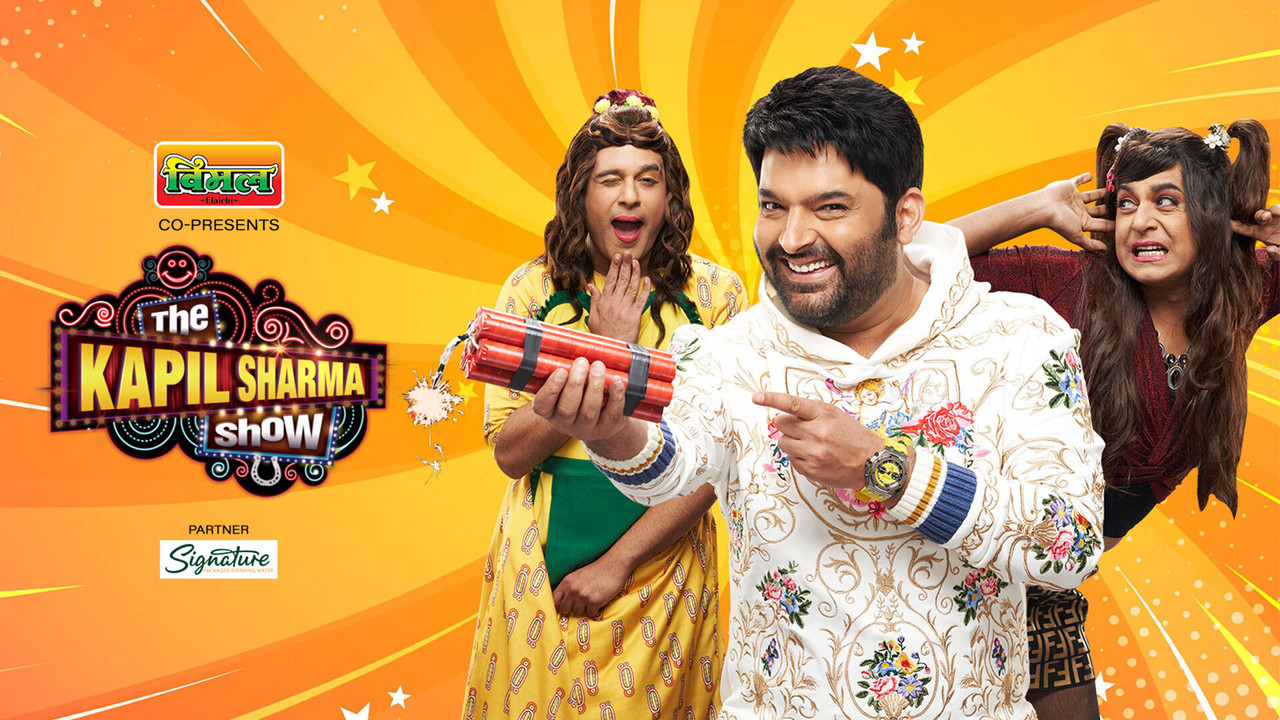
Kapil Sharma returns with Bindu, Chandan, Gudiya and new Maski for celebrity-filled comedy.
October 24, 2026
The Ending, Explained
When people talk about a show built around a comedian and his friends, they rarely expect a traditional climax. Still, many viewers finish an episode and immediately search for The Kapil Sharma Show ending explained just to make sense of how each installment closes. Because the program is a talk-and-sketch format rather than a serialized story, the final moments are less about resolution and more about release.
The closing portion usually gathers the regular cast — Kapil Sharma, Archana Puran Singh, Krishna Abhishek, Kiku Sharda, and Sumona Chakravarti — with the guest of the day. The humor that built through the episode peaks, and the segment ends on a light note that sends the audience away laughing rather than thinking.
What Happens
Each episode brings different celebrities who take part in the antics. The structure moves from scripted bits with the household characters to informal conversation with the visitors. By the time the episode reaches its last stretch, the planned jokes and the casual chat blend together. There is no mystery to unravel, and nothing is left unresolved in a plot sense. Instead, the final act is a burst of guaranteed laughter where Kapil and his companions play out their roles one last time before signing off.
For those wondering what happens at the end of The Kapil Sharma Show, the answer is straightforward. The cast wraps the silliness, the guest shares a final moment with the group, and the show signs off with the same comedic energy it opened with. No character leaves, no secret is revealed, and the format simply resets for the next celebrity visitor.
The Meaning Behind the Ending
Because the series is comedic and conversational, the closing segment carries a different weight than a scripted drama would. The Kapil Sharma Show ending meaning comes from its consistency: the laugh is the point, and the ending confirms that nothing darker or more complicated is waiting underneath.
In a television landscape where many programs bait viewers with cliffhangers, this show does the opposite. The ending tells the audience that the world of Bindu, Chandan, Gudiya, Maski, Goli, and Roopmati is stable. Kapil remains the center, Archana sits in her familiar seat, and the guests leave entertained. That reliability is the real message of the final act.
When fans look for a The Kapil Sharma Show ending recap, they are usually checking whether they missed a running gag or a callback. The recap is simple: the sketches land, the talk flows, and the sign-off delivers one more round of comedy before the close.
Themes You Might Have Missed
The most obvious theme is sketch comedy itself. The show is built from small, repeatable characters who live in a shared neighborhood logic. Kapil's antics tie the pieces together, but the strength comes from how the gang interacts.
Another quiet theme is hospitality. Every episode treats its celebrity guest as someone to be welcomed, teased gently, and celebrated. The final act reinforces that welcome by closing the door with warmth rather than tension.
There is also a theme of ensemble rhythm. Krishna Abhishek, Kiku Sharda, and Sumona Chakravarti each carry specific comic registers, and the ending shows how those registers lock into place. What looks like casual noise is actually a timed performance where every regular knows their cue.
Fans of British panel absurdity might enjoy The Fast Show, which shares this love of recurring bit characters. The Kapil Sharma Show explained through that lens feels less like a single narrative and more like a comedy album where each track ends on a laugh.
The Verdict on The Kapil Sharma Show
The series earns a 7.0 out of 10 from forty recorded votes, which suggests a steady, likable reception rather than a divided one. For a free-streaming audience looking for undemanding comedy, that score fits. The show does not pretend to be prestige television. It promises laughter with Kapil and his antics, and it keeps that promise.
The cast is the backbone. Kapil Sharma anchors the chaos, Archana Puran Singh provides the straight-adjacent contrast, and the supporting players give the bits their texture. New characters like Maski keep the formula from going stale, while Goli and Roopmati widen the neighborhood.
If you arrive expecting a story with a beginning, middle, and twist, you will misread the format. If you arrive expecting guaranteed laughter and familiar faces, the ending will feel exactly right. That is why so many viewers type The Kapil Sharma Show explained when they first encounter the structure — once you see it as a loop of comedy rather than a plot, everything clicks.
The Kapil Sharma Show Scorecard
Genre fit: Comedy and talk formats are honored without deviation.
Cast chemistry: Kapil, Archana, Krishna, Kiku, and Sumona work as a unit, with new additions blending in.
Guest format: Different celebrities join each time, keeping episodes fresh.
Ending satisfaction: The close delivers a final laugh rather than a question.
Overall rating: 7.0/10 across forty votes, a fair mark for light, reliable entertainment.
The show's value is in its repeatable joy. You can drop in on any episode, meet Bindu, Chandan, Gudiya, Maski, Goli, or Roopmati, and leave with a smile. The ending is not a puzzle. It is a bow on top of a comedy package that knows exactly what it is.