The Goldbergs (2013): Adam's 80s Home Movies
A recap of The Goldbergs (2013) finale explaining the ending and what the 80s family's loving, yelling-filled dynamic reveals.
October 26, 2026
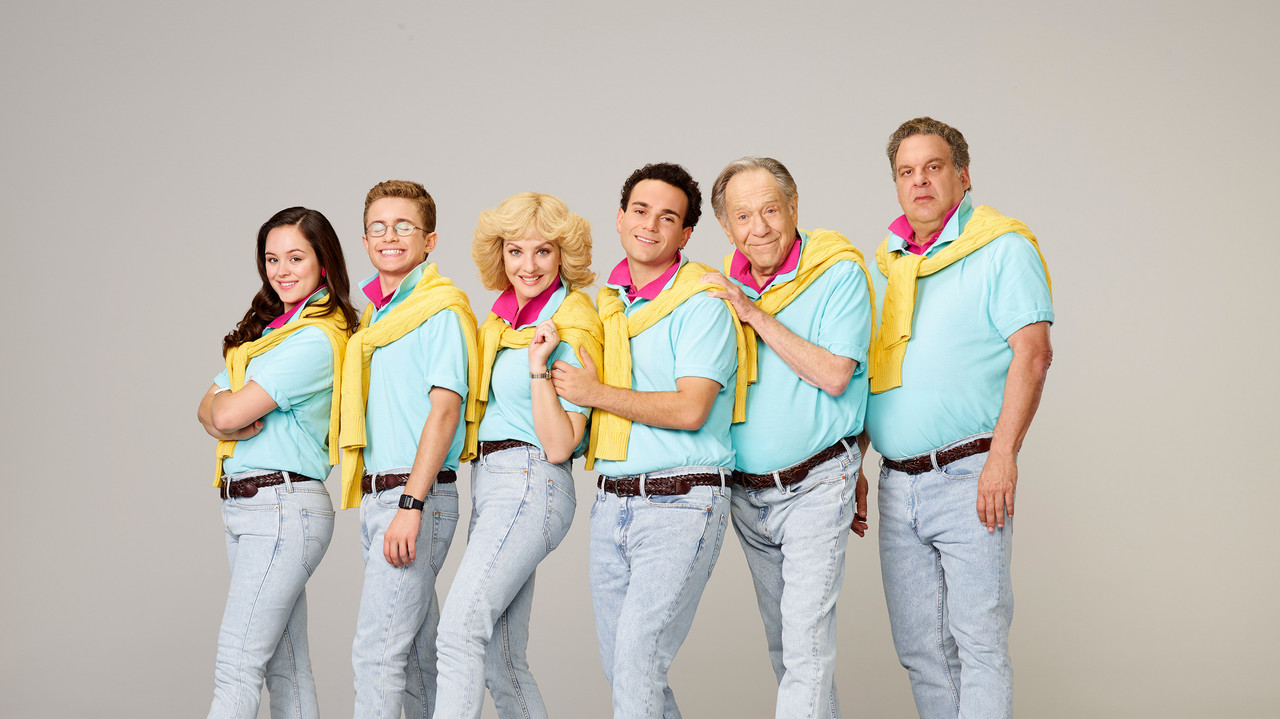
The Ending, Explained
The Goldbergs is a 2013 sitcom that transports viewers to Pennsylvania, USA during the 1980s. Our recap, The Goldbergs ending explained, focuses on the final act while avoiding any spoilers for the early episodes. The premise introduces Adam, an 11-year-old geek who carries a video camera to capture the crazy around him. His wonder years take place before parenting blogs, trophies for showing up, and peanut allergies changed childhood. The Goldbergs are a loving family like any other, just with a lot more yelling, and that truth anchors the closure. The tagline “Picture perfect” hints that the last moments celebrate the noise as something precious. Fans of older sitcoms might enjoy Benson, a 1979 series that also finds humor in domestic life.
Wendi McLendon-Covey leads the cast as the sharp-tongued mother, while Sean Giambrone plays Adam, Troy Gentile and Hayley Orrantia fill out the siblings, and Patton Oswalt provides narration that bookends the era. The rating of 7.418/10 from 382 votes shows a solid connection with audiences. Without detailing the first act, we can say the ending pays off the camera's constant recording. The simpler time called the '80s becomes a scrapbook of loud affection. This approach keeps the breakdown respectful to viewers who have not finished the run. The main cast list—Wendi McLendon-Covey, Sean Giambrone, Troy Gentile, Hayley Orrantia, Patton Oswalt, Sam Lerner—supports a full portrait of household chaos.
What Happens
The later chapters bring the household to a gentle resting point. The curiosity, what happens at the end of The Goldbergs, is answered by showing the family exactly as they have always been. Adam's footage accumulates into a portrait of Pennsylvania suburbia where siblings bicker and parents shout with love. The absence of modern distractions like parenting blogs underscores the period flavor. Sam Lerner's character adds to the ensemble chaos that defines the sitcom. No new conflicts undermine the established rhythm; instead, the existing bonds are affirmed. The final scenes mirror the opening idea that a video camera could turn everyday yelling into a keepsake.
We see the cast remain true to their roles: the mother's lectures, the kids' schemes, and Patton Oswalt's reflective voice tying the 1980s context together. The show never needed a twist because the joy is in recognition. For a streaming blog, explaining the plot without early spoilers means focusing on the emotional landing. The Goldbergs, as a 2013 production, uses its period setting to make the ending feel both specific and universal. The wonder years close with the same tagline in mind: picture perfect. Even the genre labels Family and Comedy point to a resolution built on warmth.
The Meaning Behind the Ending
Looking closer, the motif, The Goldbergs ending meaning, reveals a comment on memory. A family that yells still qualifies as loving, and the conclusion simply confirms that measurement. The Pennsylvania, USA location grounds the humor in real township life rather than cartoon fantasy. Themes of sitcom tradition appear as the characters break the fourth wall via Adam's lens. The 1980s backdrop—free of trophies for showing up—allows failure and success to sit side by side. Wendi McLendon-Covey's performance encapsulates a parent who cares through correction. The final act's significance is that the captured craziness is the reward, not a resolved conflict.
Rating data of 7.418/10 suggests viewers appreciate this gentle thesis. The show's genres, Family and Comedy, align with a closing that comforts rather than shocks. Sean Giambrone's Adam learns that his video camera preserved a fleeting simplicity. Hayley Orrantia and Troy Gentile support the notion that sibling friction is normal. The meaning behind the ending is less about events and more about perspective. A picture perfect household is one that survives its own volume. Patton Oswalt's narration reminds us that the wonder years were worth filming exactly as they were.
Themes You Might Have Missed
Several layers operate beneath the jokes. The aesthetic, The Goldbergs 80s nostalgia, permeates each wardrobe choice and song cue. This is not mere decoration; it shapes how the Goldbergs interact with their world. The series also offers a secondary lens where The Goldbergs explained through its ensemble becomes a study of routine. If you like this brand of family chaos, consider 2Point4 Children, a 1991 sitcom with comparable domestic noise. The Pennsylvania setting reinforces that these stories could happen on any street. Even the tagline “Picture perfect” subtly notes how nostalgia filters the past into something warmer.
Patton Oswalt's narration frequently points out details that first-time viewers might overlook: the lack of peanut allergies, the absence of parenting blogs, the freedom of the 1980s. The main cast's chemistry turns small moments into lasting comedy. Themes of recording life anticipate modern smartphone culture, yet the show stays in its era. Sam Lerner and the others embody a sitcom mode that predates saturated streaming catalogs. By noticing these threads, the ending feels earned rather than sudden. The noise was always the point, and the 382 votes behind the 7.418/10 rating show audiences agreed.
The Goldbergs: The Bottom Line
For the free streaming audience, this title remains a warm recommendation. Another show worth pairing is King of the Hill, which also locates heart in everyday domestic sound. The 2013 comedy runs with a clear tagline and a consistent cast. Adam's video camera premise gives the finale a built-in purpose. We avoid spoiling the first act, but the bottom line is that the Goldbergs' love is loud and real. Wendi McLendon-Covey and Sean Giambrone deliver performances that anchor the period piece. The rating of 7.418/10 from 382 votes indicates steady satisfaction.
Whether you start at the beginning or sample the final episodes, the show reads as a loving family portrait. The 1980s Pennsylvania backdrop offers a break from contemporary parenting blogs and trophy culture. Troy Gentile and Hayley Orrantia make the sibling rivalry believable. Patton Oswalt's voice ties the wonder years to a single idea: capture the crazy because it is picture perfect. The bottom line is simple—this sitcom earns its sentimental close. The ensemble including Sam Lerner completes a circle of recognition rather than surprise.
The Goldbergs Explained
To summarize, the series, The Goldbergs explained, is a 1980s sitcom about a video-recording kid in Pennsylvania, USA. The plot summary tells us that before parenting blogs and peanut allergies, there was a simpler time, and Adam faced it with a camera. The Goldbergs are a loving family like any other, just with a lot more yelling. The ending, as we noted, affirms that dynamic. Cast members including Sam Lerner and Patton Oswalt support the theme of memory as keepsake. The tagline “Picture perfect” encapsulates the whole arc. With a 7.418/10 rating across 382 votes, the show stands as a family comedy that respects its era.
Viewers who want more context can revisit the earlier headings on meaning and themes. The Goldbergs 80s nostalgia and the family's volume together create a unique stamp. No invented twists appear because the source material is about recognition, not surprise. The final act simply develops the photo Adam was taking all along. That is the full scope of The Goldbergs explained for streaming fans who prefer a breakdown without first-act spoilers.