The Flash (2014): From CSI to the Fastest Man Alive
Barry Allen becomes The Flash after a lightning strike and coma, and this article breaks down the ending and hidden themes.
October 18, 2026
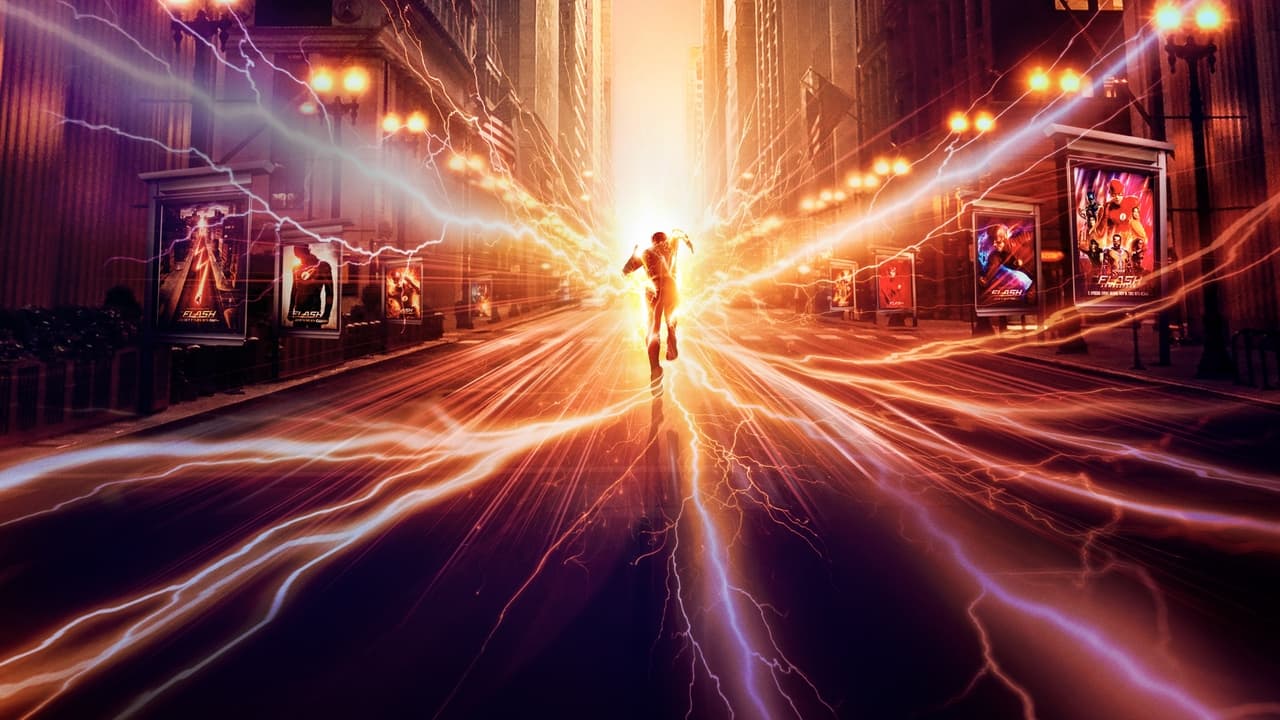
The Ending, Explained
After a long broadcast history, the curtain falls on a beloved masked protector. Fans often discuss The Flash ending explained and share personal interpretations of the last scenes. The closure emphasizes that Barry Allen’s journey with S.T.A.R. Labs was never only about velocity; it was about the people he shielded.
A concise overview helps situate new viewers. We can summarize The Flash explained and highlight how a forensic investigator rises to guard his hometown under a heroic identity. The tone balances intimate character beats with the spectacle expected from a comic-inspired franchise.
Without revisiting the earliest incidents that granted his gifts, it is safe to say the final chapter forces the protagonist to confront the limits of his abilities. The writers had planted seeds of sacrifice that pay off when the city faces its greatest peril. Many audience members reported feeling a genuine swell of vindication during these moments, even if earlier writing had wobbled.
The aggregated score of 7.744 from 11814 votes shows that despite inconsistencies, the audience remained engaged. The blend of sci-fi fantasy with procedural drama created a unique rhythm that kept many returning week after week.
What Happens
The concluding storyline brings the team into direct conflict with a formidable supervillain whose plans threaten everything built across the series. Viewers accept The Flash ending happen and celebrate the courage shown by allies who refuse to abandon their fastest champion. S.T.A.R. Labs becomes the nerve center for a last stand that hinges on trust rather than sheer force.
By the time The Flash 2014 finale aired, the show had woven Iris’s path into motherhood with Nora, a thread the creators admittedly stretched across many episodes. That subplot gave emotional weight to the climax, offering a sense of continuation beyond the mask. Some observers felt the later seasons from parts of year two onward lost narrative tightness, yet the ultimate send-off still delivered tears and happiness.
The final act does not rely on recapping origin; instead it pushes forward the notion that a hero’s true test is letting others share the burden. Scenes of quiet conversation between Barry and his circle contrast with high-speed rescue sequences, reminding us why the tagline “The fastest man alive” resonates.
Throughout the last episodes, the theme of speed is reinterpreted not as escape but as presence. Barry learns to be where he is needed most, a subtle reversal of the earlier urge to outrun tragedy. This maturation anchors the finale’s emotional logic.
The Meaning Behind the Ending
Digging into subtext, they analyze The Flash ending meaning and debate the moral that legacy outpaces any single feat of speed. Barry’s arc suggests that super power is meaningless without empathy, and the closing moments mirror that lesson. When the dust settles, the victory feels earned because it was collectively won.
The conclusion also reflects on the cost of vigilance. A masked superhero cannot operate in isolation, and the finale makes peace with that reality. By acknowledging vulnerability, the story elevates itself above standard genre fare and leaves a thoughtful impression about responsibility.
Themes You Might Have Missed
Several quiet motifs reward a second viewing. The constant presence of speed operates as a metaphor for grief and recovery, letting characters outrun pain only temporarily. Those who enjoy ensemble ability tales might appreciate Mutant X, a series centered on genetically gifted defenders with their own hidden struggles.
Another layer is the reliance on science as a comforting structure amid chaos. The comic-based backdrop allows fantastical elements while keeping emotional cores relatable. If you prefer a campus flavor mixed with magic, The Magicians presents a different but complementary take on extraordinary education and friendship.
Supervillain threats in the show often mirror internal doubts, a technique that deepens the masked superhero tradition. Themes of identity, public expectation, and personal choice recur without being heavy-handed, making the long run surprisingly layered for a broadcast drama.
Additionally, the show’s comic heritage invites comparisons to other masked adventurers. The balance of lighthearted team banter with grave danger mirrors structures seen in classic serials, proving that the format still resonates with modern viewers.
How Good Is The Flash, Really?
The numerical reception stands at 7.744 out of 10 across 11814 votes, indicating a solid but divisive legacy. Many watchers described a rollercoaster of emotion—crying, feeling vindicated, laughing—while noting the script quality spiraled in places from the second season to the final stretch. It remains mildly astonishing the series secured renewal past its third year given those flaws.
Performances from Grant Gustin and Candice Patton anchored the chaos, and the wish to see Iris finally have Nora kept some loyalists watching until the end. For a change of pace with super-powered family dynamics, Moving delivers a Korean production that explores abilities through a tender lens. Despite uneven plotting, the heart of the program rarely faltered.
Critics and fans alike can agree the finale attempts to honor the core promise: a relatable hero who uses his gift for protection rather than glory. That intention, more than any single twist, defines its place in the genre.
The Flash Need to Know
For quick reference before streaming, note the essentials. The Flash (2014) belongs to Drama, Sci-Fi & Fantasy. Its tagline is “The fastest man alive.” The principal cast features Grant Gustin, Candice Patton, Danielle Panabaker, Danielle Nicolet, Kayla Compton, Brandon McKnight, and Jon Cor.
- Rating: 7.744/10 from 11814 votes
- Central themes: speed, superhero, based on comic, super power, masked superhero, supervillain
- Premise: A CSI collaborates with S.T.A.R. Labs as a costumed protector (early specifics omitted)
Whether you join for the action or the relationships, the series offers a lengthy exploration of what it means to be a champion in a modern metropolis. The lasting image of a determined figure in red will likely persist for viewers who appreciate serialized comic television.