The Exorcist: Martyrs (2027): A Hero Detective Dragged Back
Detective Julie Miller is dragged back into darkness when a new killer scrawls her name in an altar boy's blood.
October 16, 2026
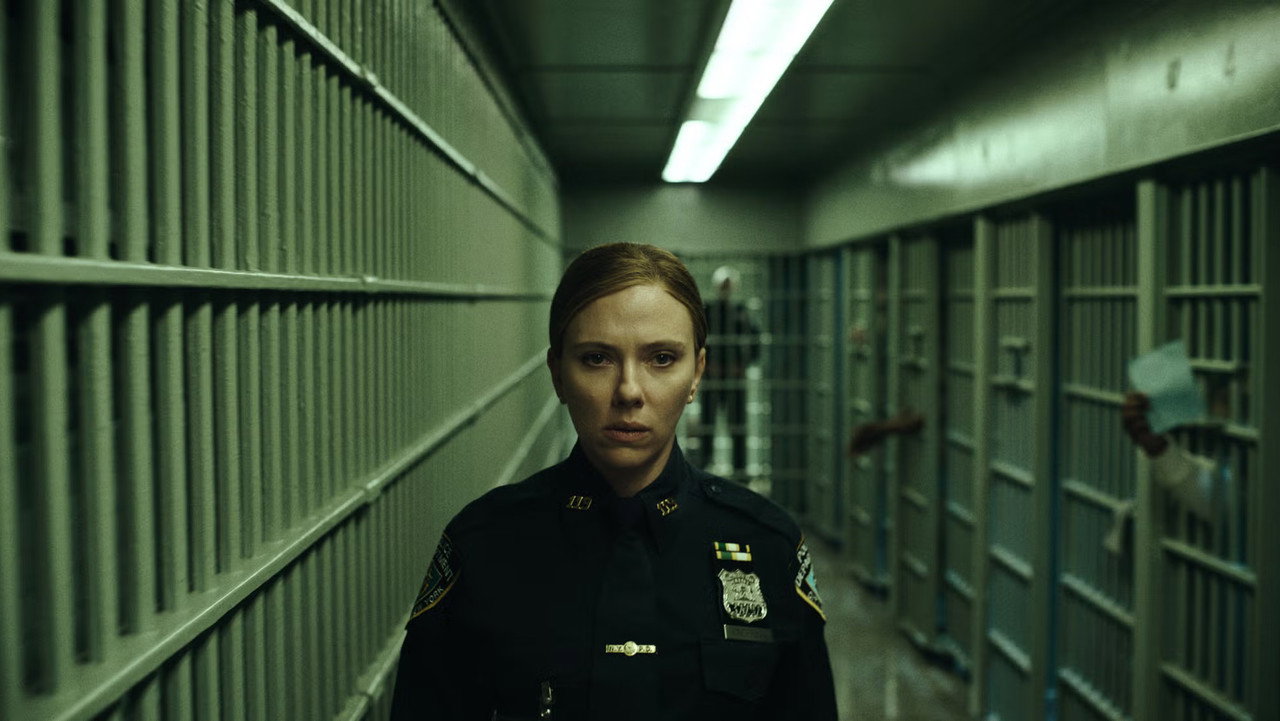
The Ending, Explained
Mike Flanagan's take on the franchise brings a seasoned New York detective back to face something that should have died years ago. To respect the film's structure, we will not walk through the opening minutes that set the trap. Instead, this section delivers The Exorcist: Martyrs ending explained for those who have watched the final act and need clarity. The closure does not rely on a cheap twist but on the emotional cost paid by Julie Miller.
Thirteen years before the events of the finale, Julie Miller, portrayed by Scarlett Johansson, closed the case on a satanic serial killer known as Father Sunday. That victory defined her career and left her unable to walk away from the job. The new chapter finds her older and more fatigued, yet the film's last reel forces a reckoning with that old evil.
Viewers who skipped the theatrical run can still follow the broader shape of the story. Hellbound: Hellraiser II explores a similar descent into underworld logic, and fans of that cult piece will recognize the tone here.
What Happens
After the investigation pulls Miller away from her quiet routine, the narrative tightens around a lineage of violence. The supporting characters include a former prison chaplain who once heard the last confession of the original satanic killer, and a rookie partner whose sharp instincts keep the probe alive. The Exorcist: Martyrs ending events place the detective in a crypt where the new threat reveals its true nature: an evil that stretches beyond human killers like H.H. Holmes or Zodiac.
Miller does not work alone in the closing movement. The former chaplain William carries the weight of Father Sunday's final confession, a detail that becomes crucial when the supernatural layer emerges. Alongside rookie Gina Restrepo, the detective traces a pattern that binds historical murderers to a force that defies mortal law.
For those who want the premise summarized, The Exorcist: Martyrs explained begins with a hero cop forced to confront a copycat ritual that bears her name in blood. The film then builds toward a supernatural showdown rather than a standard procedural.
The Meaning Behind the Ending
The conclusion is less about defeating a monster and more about what darkness does to the people left behind. The Exorcist: Martyrs ending meaning sits in the corruption that touches everyone Miller loves. The script suggests that evil is not a single villain but a filament connecting centuries of cruelty, and the final image asks whether any of us remain untouched.
The script refuses to frame the climax as a simple win. Instead, the cost paid by Miller's circle illustrates that darkness is contagious. The Exorcist: Martyrs ending meaning also touches on inherited guilt: the sins of past killers flow into the present through a filament that no badge alone can cut.
This thematic weight is echoed in older haunted-house cinema. Burnt Offerings also treats malevolence as something that feeds on family bonds, making it a fitting companion watch.
Themes You Might Have Missed
Beneath the surface, the movie works as a police procedural fused with demonic possession. A closer The Exorcist: Martyrs ending analysis shows how the child in peril motif mirrors Miller's own lost innocence from the first case. The presence of a priest and exorcism rites grounds the supernatural horror in ritual, while the reboot label is subverted by treating faith as a weapon rather than a backdrop.
Beyond the procedural shell, the picture revives the exorcism tradition with a modern police lens. A priest figure stands at the crossroads of faith and investigation, while the child in peril trope is handled with restraint rather than spectacle. As a reboot, it discards many franchise clichés and rebuilds the myth around a lineage of evil.
- The police angle keeps the story tethered to reality before the veil drops.
- Supernatural elements arrive slowly, making the final act hit harder.
- Demonic possession is shown as inheritance, not random curse.
Anthology formats have tackled comparable ideas. Nightmare Cinema stitches together segments where ordinary people meet cosmic dread, much like the fragmented killer lineage in this feature.
How Good Is The Exorcist: Martyrs, Really?
Flanagan's direction favors slow dread over jump scares, and the cast carries that weight. Scarlett Johansson brings a worn resolve to Miller, while Chiwetel Ejiofor and Sasha Calle flesh out the supporting framework. The runtime remains unlisted, but the pacing feels deliberate. Rating metrics show zero votes at launch, which is typical for an unreleased title, so early judgment should stay cautious.
The ensemble around Johansson includes Chiwetel Ejiofor, Sasha Calle, John Leguizamo, Laurence Fishburne, Diane Lane, Jacobi Jupe, and Scoot McNairy. Each adds texture to a story that could have been a lone-wolf cop tale. Flanagan uses their presence to widen the sense of a city under quiet siege.
The tagline "Darkness must be hunted" sums up the film's drive. While not every subplot lands, the central performance and the eerie church-set climax make it a worthy entry for horror streamers.
The Exorcist: Martyrs Verdict
This is a breakdown-driven horror entry that rewards patience. If you enjoy supernatural crime stories with religious undertones, it deserves a spot on your list. The ending refuses to tie everything in a bow, and that ambiguity is the point. Stream it with the lights off, and consider the links above for a double feature.
For streamers browsing late at night, this title offers a patient, chilling experience. The tagline "Darkness must be hunted" is not just marketing; it encapsulates the narrative's demand that we chase evil into its own lair. Recommended for those who like their horror threaded with detective work.