The Dog Stars (2026): A Pilot's Search for a Radio Mystery
After a pandemic, a lonely pilot's radio discovery in The Dog Stars (2026) leads to a search that redefines survival and connection.
October 31, 2026
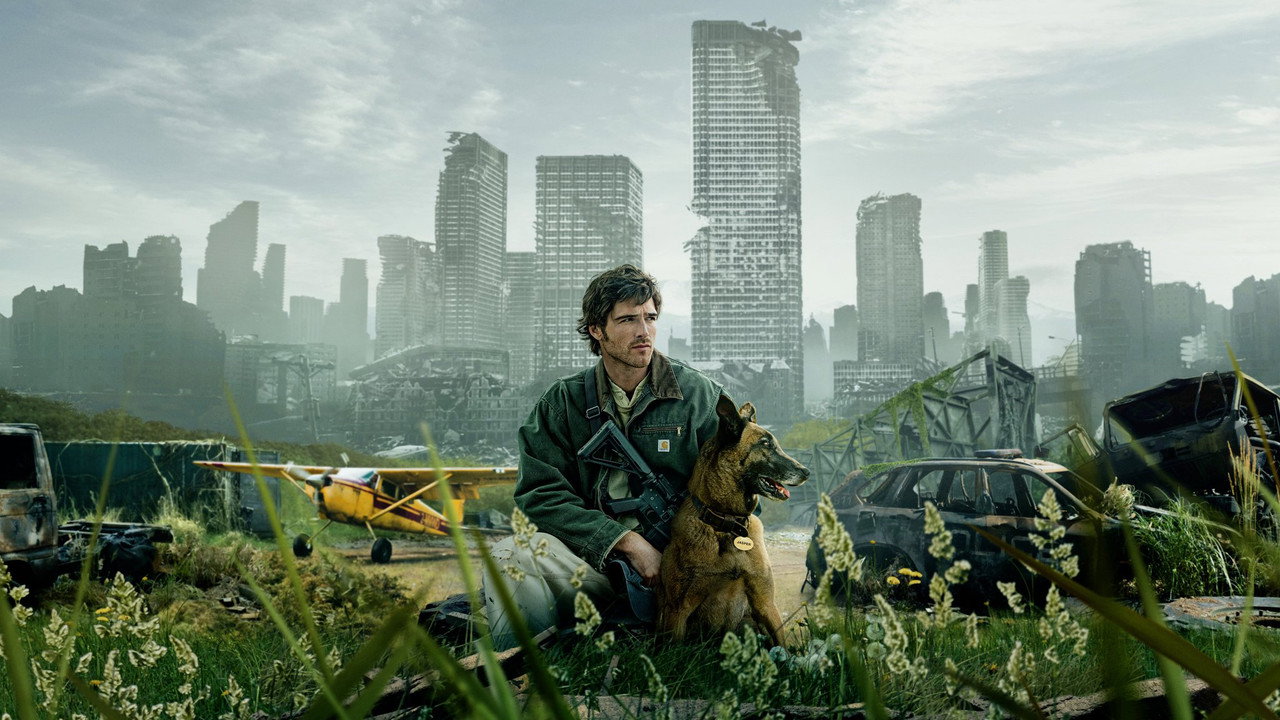
The Ending, Explained
Ridley Scott's 2026 Science Fiction Thriller runs a tight 119 minutes and carries a 7.0 out of 10 from early voters. Its tagline promises that at the end of the world, no one survives alone. Without walking through the early setup, we can focus on the closure that the story earns. Our focus is on the closure, and The Dog Stars ending explained here should help viewers make sense of the last minutes. The final act moves away from mere survival and toward a question of connection. A lonely pilot who has lost much must decide what to do with the hope that has been dangled before him.
The film's latter section centers on the search sparked by a broadcast. A crucial sound, The Dog Stars radio transmission, pulls the pilot away from his settled routine. While we will not detail how that signal first appeared, its echo drives the protagonist into uncertain territory. The ending does not rely on a twist but on emotional resolution.
Scott's direction favors wide Colorado skies and the silence of empty spaces. The 119 minute cut avoids unnecessary exposition, letting the audience feel the protagonist's detachment. This approach suits the source material's literary roots, even if the rating suggests some viewers wanted more conventional thrills.
What Happens
The midpoint of the narrative sends the central character beyond the familiarity of his Colorado surroundings. He encounters other pockets of life, including a dour gunman he already trusts and new faces played by the ensemble cast. Viewers often ask what happens at the end of The Dog Stars, and the answer lies in the tagline's promise. The protagonist reaches a point where the source of the broadcast is confronted, and the choice becomes whether to remain detached or accept fragile community. The conclusion mirrors the novel's quiet tone rather than blockbuster spectacle.
The new Ridley Scott film, The Dog Stars explained, is less about action and more about a quiet interior life. Jacob Elordi carries the lead as a man shaped by grief and the death of his wife. Josh Brolin brings weight as the protective companion. Allison Janney's voice on the radio becomes a beacon that frames the final exchange. The last scenes show the lonely man weighing wonder against loss.
The ensemble includes Margaret Qualley and Guy Pearce as figures who test the pilot's resolve. Benedict Wong and Allison Janney extend the sense of a wider world still breathing. Their performances anchor the story's emotional core beyond the immediate survival plot.
The Meaning Behind the Ending
The final image, The Dog Stars ending meaning, speaks to the cure for grief being community. The tagline is not decorative; it is the thesis. After a pandemic has stripped the world, the only viable future is shared. The protagonist's arc from isolated hangar dweller to someone who can hear another voice is the true victory. The ending suggests that survival is not just biological but relational.
Cinematography in the final act uses natural light to suggest openness after confinement. The contrast between the hangar's metal and the open Cessna sky mirrors the character's internal shift. Such visual cues reinforce the narrative's quiet optimism.
For fans of somber apocalyptic cinema, Extinction offers a comparable mood of isolated struggle. Both films understand that the empty world is a backdrop for internal change. The Dog Stars uses its 119 minute runtime to land this theme without sermonizing.
Themes You Might Have Missed
Beneath the dystopia and scavenger threat, the story quietly handles grief and wonder. The death of a wife is a constant phantom that colors every decision. The pilot's detached manner is not coldness but self protection. When the radio transmission arrives, it is not merely a plot device but a symbol of possible rebirth. Themes of based on novel or book fidelity show in the restrained pacing.
Another layer is the Colorado setting, from Denver to remote hangars, used to emphasize distance between people. The presence of scavengers reminds that danger is external, but the real enemy is despair. Margaret Qualley, Guy Pearce, Benedict Wong, and Ewen Bremner, Sam Spruell populate the periphery with hints of other societies. These threads enrich the ending's call to togetherness.
Grief operates as a silent character throughout. The death of a wife is reflected in small gestures rather than flashbacks. This restraint allows the ending's communal gesture to feel earned rather than imposed.
Similar survival pressure appears in The Running Man, though that title leans into sharper spectacle. The contrast helps illuminate how Scott's film stays intimate.
The Verdict on The Dog Stars
The movie sits at a modest 7.0 rating, reflecting uneven reception, yet its final act is coherent and moving. Scott delivers a post pandemic tale that values character over explosions. The ensemble, including the mentioned actors, grounds the speculative elements. If you appreciate endings that echo rather than shout, this one satisfies.
A 7.0 score from 555 votes indicates a divided but engaged audience. Some may find the middle passages slow, yet the closing sequence unifies the themes neatly. The film rewards patience with resonance.
The pandemic backdrop and lonely man trope are familiar, but the execution finds fresh air in the Colorado wilderness. The Dog Stars ending explained earlier shows that the film trusts its audience to sit with ambiguity. That trust is rare in modern thrillers.
The Dog Stars Need to Know
Before you press play, a few pointers help frame the experience:
- Director Ridley Scott approaches the material with patience, not frenzy.
- Runtime is 119 minutes, so the pace is deliberate.
- Core genres are Action, Thriller, Science Fiction, but the soul is drama.
- The tagline "At the end of the world, no one survives alone" is the key to the finish.
Finally, World War Z remains a touchstone for pandemic collapse narratives, yet Scott's work is far more concerned with one man's heart than global tactics. That distinction makes the ending land with personal weight.