The Dark Knight (2008): Batman Versus the Joker's Reign of Chaos
A look at how Batman and his allies face the Joker's chaos in The Dark Knight (2008), with an ending breakdown.
October 31, 2026
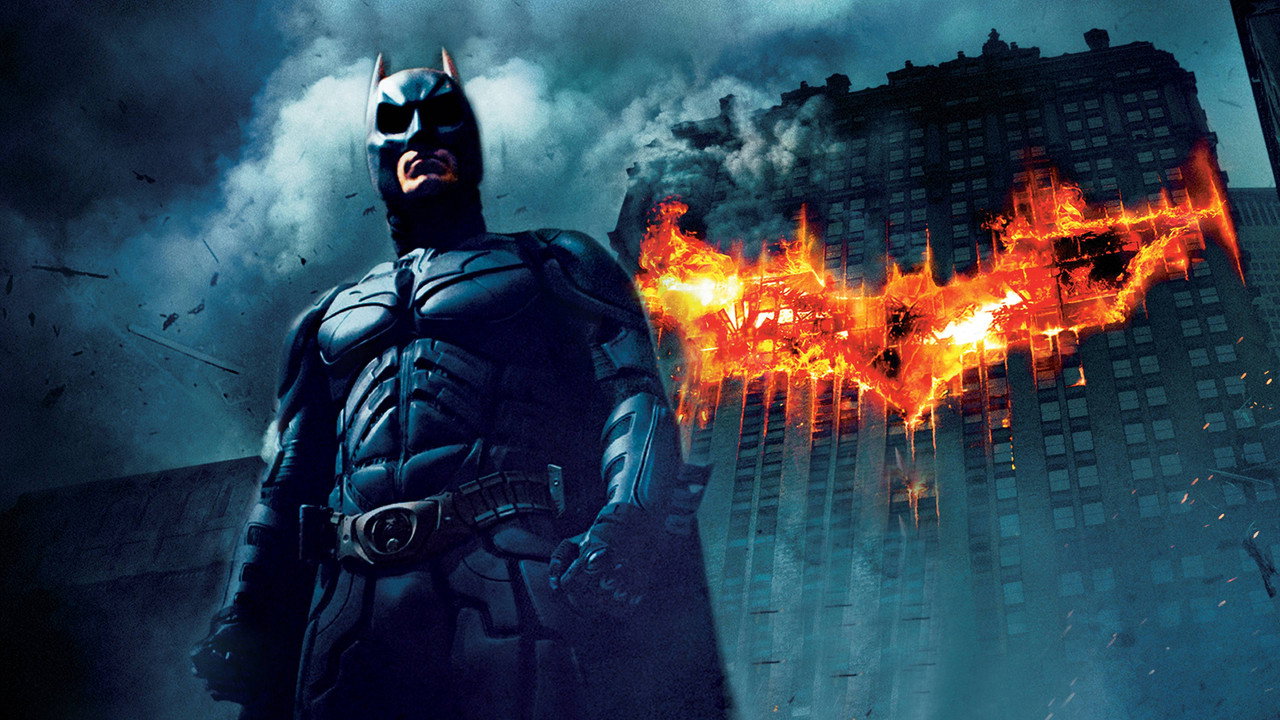
The Ending, Explained
When viewers reach the closure of Christopher Nolan’s crime saga, they often seek clarity on the final minutes. Our The Dark Knight ending explained discussion will concentrate solely on the last act, avoiding any revelation of the early setup that builds the conflict. The Dark Knight 2008 film positions its hero amid a city overrun by lawlessness, and the conclusion forces a reckoning with that reality.
Throughout the runtime of one hundred fifty two minutes, the narrative carefully balances a crime fighter’s burden with the terror of an anti villain. By the final sequence, the alliance between the vigilante, the police lieutenant, and the district attorney has already dismantled several organized crime cells, yet the reign of chaos from the Joker leaves scars that cannot be healed by arrests alone.
For those who prefer complementary viewing, The Batman offers a separate tonal approach to a similar masked protector, though its themes diverge from Nolan’s tragic hero framing.
What Happens
The Dark Knight ending events center on the aftermath of the Joker’s campaign of sadism and unpredictability. The partnership of Batman, Jim Gordon, and Harvey Dent faces the ultimate test as the mastermind’s plot weaves hostage situations and explosive threats that undermine Gotham’s sense of safety. While the precise beats remain best experienced fresh, it is clear that the effective coalition becomes prey to a chaos that has no regard for rules.
When The Dark Knight explained in its broader context, the escalation from dismantling criminal organizations to confronting a force of pure anarchy feels inevitable. Heath Ledger’s portrayal of the Joker emphasizes an anti hero opposite who thrives on psychological toll rather than simple robbery.
Viewers curious about animated side stories might appreciate Batman: Assault on Arkham, which also touches on task force dynamics within a corrupted city.
The Meaning Behind the Ending
The Dark Knight ending meaning lies in the cost of a secret identity and the weight of being a superhero without jurisdiction. The tagline “Welcome to a world without rules” echoes through the final moments because the characters must decide what lines they will cross to restore order. Batman’s role as a vigilante becomes a tragic hero’s path when the legal system cannot contain the chaos unleashed by the anti villain.
The conclusion suggests that a crime fighter’s effectiveness is measured not by victories over organized crime but by the willingness to absorb blame. Harvey Dent’s arc from principled prosecutor to a figure shaped by tragedy reinforces the theme of a fallen ideal. The somber resolution leaves Gotham with a fragile peace that depends on myths as much as on law enforcement.
Themes You Might Have Missed
Beyond the surface confrontation, the movie quietly explores several motifs drawn from its comic heritage. A list of underlying ideas includes:
- Sadism and the pleasure an anti villain takes in manipulating fear.
- Chaos as a philosophical counter to structured justice.
- Secret identity as both shield and prison for the superhero.
- The vigilante’s place outside official procedures.
- Scarecrow appearances that remind audiences of earlier rogue elements.
- Based on comic source material that reimagines a tragic hero for modern screens.
- Organized crime as the initial target before a larger menace appears.
- Anti hero and anti villain moral ambiguity blurring the line between savior and destroyer.
These threads interweave so that the final act is not just a physical showdown but a meditation on what Gotham demands from those who wear masks.
If you enjoy retro camp, Batman (1966) provides a lighter contrast to the grim tone discussed above.
Our Take on The Dark Knight
We consider this entry a benchmark for superhero storytelling because it treats its characters as human beings facing conundrums rather than costume displays. Christian Bale anchors Bruce Wayne and his alter ego with a nuanced performance, while Aaron Eckhart’s District Attorney delivers a transformation that feels earned. Maggie Gyllenhaal, Gary Oldman, and Michael Caine support the central trio with grounded presence, and Morgan Freeman rounds out the technical conscience.
The rating of eight point five three nine out of ten from thousands of votes reflects how resonant the themes of chaos and sacrifice remain. Though we avoid spoiling the opening, we can say the final act rewards patience with a somber thesis: sometimes the crime fighter must become the villain in public memory to let the city survive.
The Dark Knight Overview
To summarize the essentials for new viewers: the film is an Action, Thriller, Crime production directed by Christopher Nolan. It runs for one hundred fifty two minutes and carries the tagline “Welcome to a world without rules.” The plot follows Batman raising the stakes in his war on crime, aided by Lt. Jim Gordon and District Attorney Harvey Dent, as they work to dismantle remaining criminal organizations. Their effectiveness is challenged by the Joker, a rising mastermind who unleashes reign of chaos.
The principal cast includes Christian Bale, Heath Ledger, Aaron Eckhart, Michael Caine, Maggie Gyllenhaal, Gary Oldman, Morgan Freeman, and Monique Gabriela Curnen. Themes such as sadism, chaos, secret identity, crime fighter, superhero, anti hero, scarecrow, based on comic, vigilante, organized crime, tragic hero, and anti villain permeate the narrative. For anyone wanting a breakdown without early spoilers, the previous sections covered the closing meaning while respecting the first act’s mystery.