The Daily Show (1996): The World's Fakest News Team
The Daily Show (1996) features the world's fakest news team tackling the biggest stories in news, politics, and pop culture.
October 17, 2026
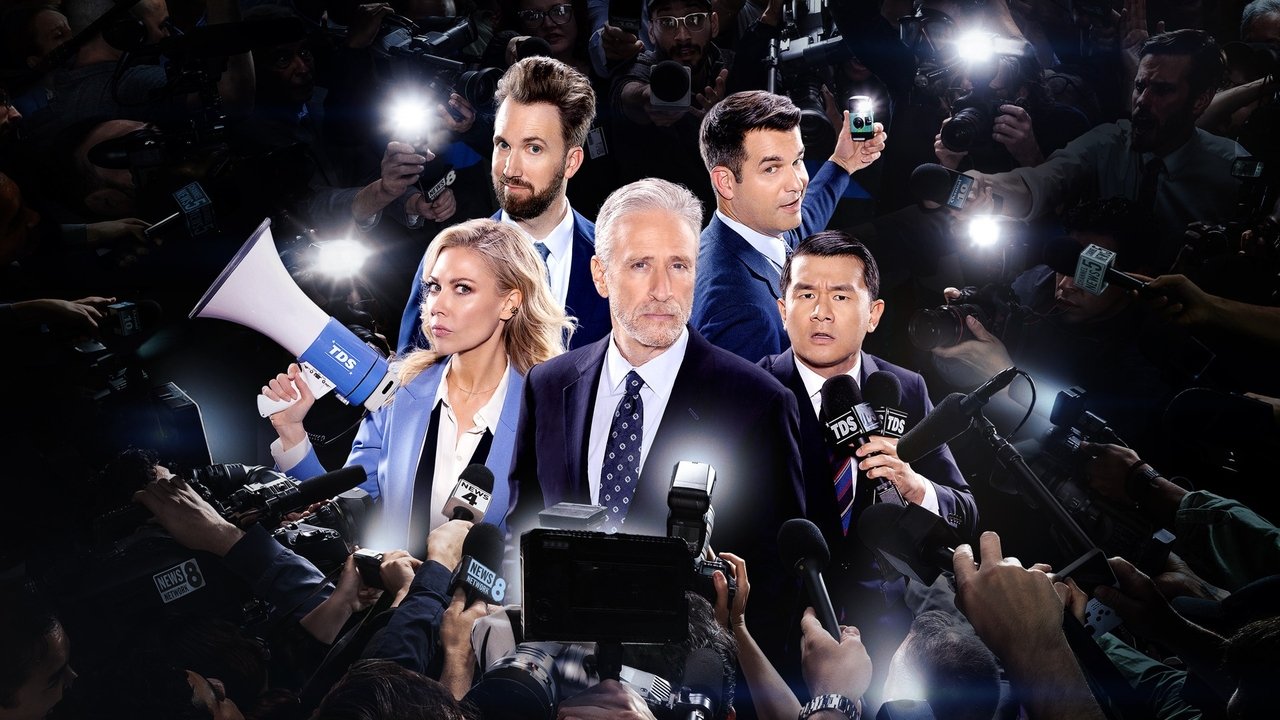
The Ending, Explained
When a program runs as a late-night show built on political satire, the conclusion of each installment carries weight. The episode The Daily Show ending explained clarifies how the fakest news team brings closure to the day's stories. Rather than resolving real events, the cast delivers a final irreverent summation that mirrors the tagline "When news breaks we fix it." This approach keeps the audience both informed and entertained, wrapping the broadcast with a wink that acknowledges the constructed nature of news.
Every sign-off functions as a small thesis statement. The team has spent the runtime tackling the biggest stories in news, politics and pop culture, and the ending restates that mission with sarcasm. Because the series lacks a traditional narrative arc, the final moments are less about resolution and more about perspective. A viewer who expects a tidy conclusion will instead find a comedic frame that encourages critical thinking.
We can compare this structure to other comedy formats. For instance, fans of ironic city-based humor should watch Portlandia, which also blends satire with everyday observations.
The absence of a fixed director listed for the title does not dilute the consistent voice heard in these closings. The tone stays irreverent, informative, and unafraid to use interview segments as a tool for comic contrast.
What Happens
Understanding the flow of a typical broadcast helps viewers appreciate the wrap-up. The question what happens at the end of The Daily Show intrigues many first-time streamers, because the show avoids a traditional narrative. Instead, the world's fakest news team tackle the biggest stories in news, politics and pop culture, then sign off with a sarcastic remark that reinforces the show's informative yet cheeky tone.
In practical terms, the closing segment often revisits a headline already mocked earlier, adding a final layer of political satire. The late-night show format allows for this looping structure, where the joke evolves as the episode progresses. Interviews conducted during the hour may be edited to highlight contradictions, and the ending serves as the punctuation mark on that critique.
Another show with a similar behind-the-scenes vibe is The Larry Sanders Show, a late-night parody that also played with interview conventions.
While the runtime is not specified in the available data, the pacing of such programs typically respects the constraints of a broadcast slot, meaning the ending arrives after a curated sequence of segments rather than a single storyline.
The Meaning Behind the Ending
The final segment is not just a joke; it is the thesis of the program. The essay The Daily Show ending meaning explores how the sign-off comments on the absurdity of current events. By using sarcasm and political satire, the closure suggests that while news may be broken, the act of mocking it provides a strange comfort. This is why the rating of 6.42/10 from 670 votes still reflects a dedicated fanbase that values the show's unique lens.
Meaning can be extracted from the show's own tagline: "When news breaks we fix it." The ending enacts that promise by offering a comedic repair job. Rather than leaving viewers anxious about politics, the fakest news team supplies a cathartic laugh. The irreverent style ensures the fix is never sincere, yet it remains informative about the underlying issues.
If you enjoy presidential spoofing, you might also like That's My Bush!, which pushes irreverent comedy even further.
The significance of the final act extends to the show's placement in the late-night landscape. It demonstrates that a program categorized under news and comedy can still deliver a cohesive message without abandoning humor.
Themes You Might Have Missed
Beyond the obvious laughs, the series operates as an informative late-night show with layered themes. The companion piece The Daily Show explained details how interview segments expose the contradictions in political rhetoric. Viewers often overlook the careful balance of sarcasm and genuine insight that defines the program's tone. The irreverent style never stops being playful, yet it remains anchored in real headlines.
Topics such as pop culture and politics are treated with equal mockery, making the format a precursor to many modern sketch outlets. The theme of political satire is not merely decorative; it structures the way the fakest news team selects stories. An interview that goes off the rails becomes a vehicle for commentary on the medium itself.
Another subtle thread is the show's self-awareness. By calling itself the world's fakest news team, it invites the audience to question authentic sources. This meta approach is informative in a different sense, teaching viewers to read coverage critically while enjoying the joke.
The genre blend of news and comedy supports these themes. Without the news framing, the satire would lose its target; without comedy, the commentary might feel like a lecture. The ending often crystallizes this balance.
Even the visual lack of a listed main cast does not hinder recognition of the team dynamic. The fakest news team operates as a unit, and their collective sarcasm becomes a character in itself.
Final Verdict on The Daily Show
The streaming option The Daily Show 1996 remains a noteworthy entry in comedy news. Its blend of news and comedy genres creates a space where the fakest news team can comment on reality without pretense. While the runtime is not listed, the impact is clear through its tagline and enduring approach to political satire. Streaming audiences looking for a mix of interview humor and late-night show energy will find plenty to enjoy.
Though the rating sits at 6.42/10, that number comes from a specific voting pool and does not capture the show's cultural footprint. The program's strength lies in its consistent voice: sarcasm delivered with a straight face, interviews that reveal more than intended, and a closing gesture that ties the night together.
For a title that avoids a named director, it still presents a unified comic perspective. The irreverent tone never wavers, and the informative impulse keeps the humor grounded. Whether viewed as a time capsule of 1996 sensibilities or as a template for later shows, it holds value.
Looking back, the show's longevity speaks to the appetite for political satire in late-night slots. The irreverent approach has aged into a reference point for subsequent comedies.
The Daily Show Overview
Originating in 1996, the program quickly established itself as a late-night show driven by sarcasm and interviews. The plot summary states that the world's fakest news team tackle the biggest stories in news, politics and pop culture. This simple premise supports endless variations on political satire and irreverent commentary. Themes of being informative while mocking the medium itself set it apart from standard news broadcasts.
The tagline "When news breaks we fix it" encapsulates the mission. Across its run, the show has leaned on the genres of news and comedy to create a hybrid that feels both immediate and playful. The rating of 6.42/10 across 670 votes suggests a polarized but engaged audience, which is common for satirical material that challenges expectations.
Whether you approach it for the jokes or the critique, the show's format encourages repeat viewing. The combination of genres—news and comedy—ensures that each episode feels both timely and timeless. The final act, as discussed, reinforces the core ideas without resorting to a conventional wrap-up. That is the quiet genius of the format.