The Crown (2016): The Queen's Post-War Political Saga
A sweeping drama charting Queen Elizabeth II and the prime ministers who shaped Britain's post-war destiny from Buckingham Palace and Downing Street.
October 25, 2026
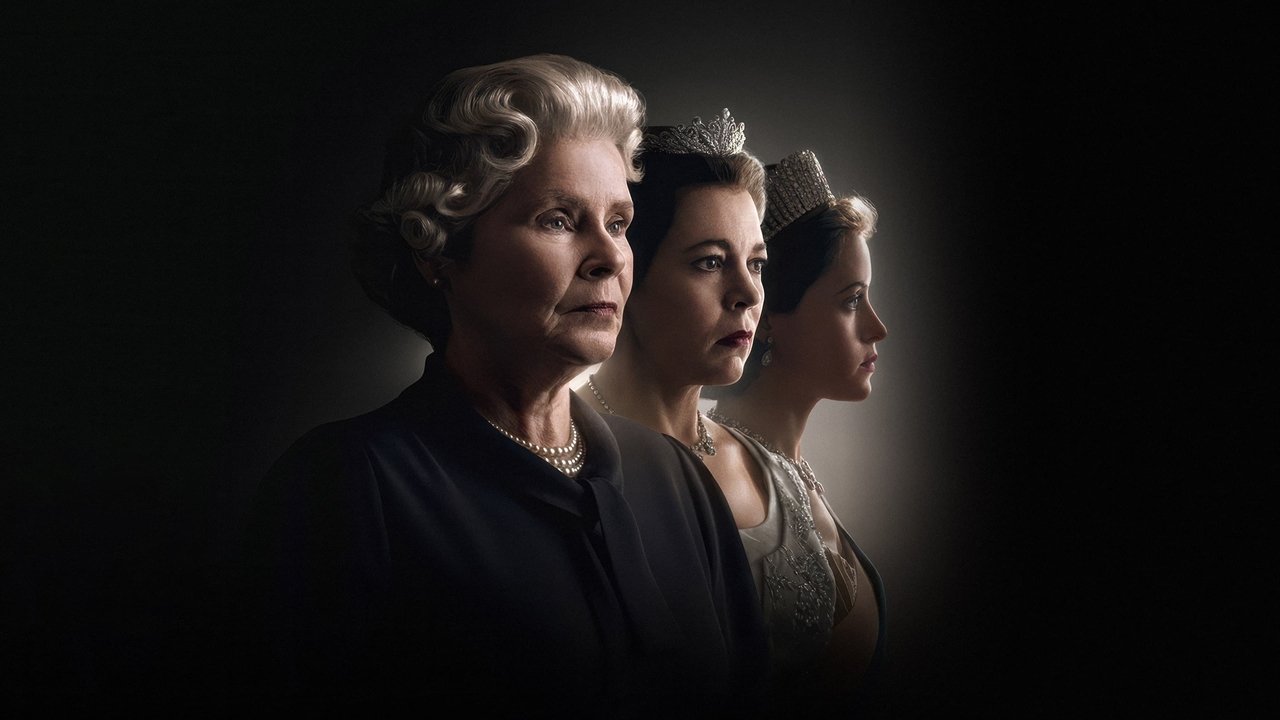
The Ending, Explained
The Crown stands as a sweeping drama that traces the private and public lives of Queen Elizabeth II alongside the prime ministers who guided Britain through the post-war era. For audiences seeking a concise primer, The Crown explained is less a conventional biography and more a study of how an ancient institution adapts to modern pressures. The series uses Buckingham Palace and 10 Downing Street as two stages where personal loyalty and national duty collide. Across its runtime, the show accumulates a quiet tension between the rituals of royalty and the rough mechanics of british politics.
Without diving into the opening chapters, we can say the final stretch of the narrative pays off the long setup. The later episodes examine how the royal family confronts changing social norms while still clinging to tradition. Imelda Staunton and Jonathan Pryce lead a cast that includes Lesley Manville, Dominic West, Claudia Harrison, and Marcia Warren, each portraying figures who must balance private grief with public obligation. The rating of 8.18 from over two thousand votes suggests viewers found this measured approach compelling.
What makes the closure effective is its refusal to sensationalize. The production treats the passage of time as the central event. A dynasty is shown not through battles but through successive administrations and family ceremonies. This framing helps the audience appreciate the slow evolution of the crown's role in a century defined by upheaval.
What Happens
As the story progresses beyond its early years, the focus shifts to the weight of inherited responsibility. While we avoid detailing the first act, it helps to understand what happens at the end of The Crown: the program reaches a contemplative state where the queen and her advisers survey a transformed kingdom. The palace intrigue that once felt like isolated scandals now reads as part of a larger dynasty navigating the late twentieth century. Two houses, two courts, one Crown remains the organizing idea as the narrative closes.
The concluding segments do not rely on shock twists. Instead, they underscore the endurance of ceremony amid personal loss. Prince and princess figures alike face moments that test their commitment to the institution. If you enjoy historical dramas with similar scope, you might appreciate Outlander, a series that also spans decades of cultural change while foregrounding personal resilience.
In these later passages, the camera often lingers on empty corridors or crowded state rooms, letting the viewer feel the magnitude of continuity. The queen's interactions with successive prime ministers illustrate how british history bends around the fixed point of monarchy. Nothing in the final act breaks the established grammar of the show; it simply fulfills promises made subtly many hours earlier.
The Meaning Behind the Ending
The Crown ending meaning becomes legible when you recall the tagline "Duty lasts a lifetime." The final act suggests that the monarch's service is not a job but a condition of being. The Crown ending explained reveals that the true conflict was never between individuals but between the changing world and the fixed role of the sovereign. Elizabeth's journey illustrates how personal desires are continually subordinated to the needs of the state.
This resolution feels earned because the show plants its themes early and lets them mature. The relationship between the queen and her prime ministers reflects broader british history, showing how leadership styles evolve while the crown stays constant. Such a meditation on continuity will resonate with viewers who prize character-driven storytelling over spectacle.
Another layer of significance lies in the concept of royalty as performance. The ending asks whether the mask of office becomes the face, or if private self survives behind it. By refusing to answer with melodrama, the series honors the restraint expected of its subjects. The result is a closing movement that feels both inevitable and quietly moving.
Themes You Might Have Missed
Several undercurrents reward a second viewing. Because The Crown true story draws on actual events, the layers of palace intrigue often mirror real parliamentary struggles. The series quietly critiques the gap between the image of royalty and the human beings behind it. Notions of england as both a place and an idea recur, as do the pressures on a dynasty to reproduce itself across generations.
Another subtle thread is the role of women in a male-dominated court. The princess and queen characters negotiate limited agency, yet their influence shapes decisions behind closed doors. For those who want more royal-centered narratives, Blood, Sex & Royalty offers a different lens on aristocratic life, though with a more salacious tone that contrasts the restrained mood here.
Viewers may also note the musical and theatrical influences; the production occasionally feels based on play or musical structures, with scenes staged like intimate dramas. This stylistic choice keeps the focus on performance both the state ceremony and the acting craft of the cast. Themes of family loyalty, the cost of privilege, and the machinery of government interweave without neat resolution.
Additionally, the show's attention to detail in depicting royal family rituals gives weight to small gestures. A glance across a dinner table can carry the weight of a treaty. Such moments reinforce that the personal is political when the players are bound by blood and duty.
Should You Press Play on The Crown?
If you value prestige drama that respects intelligence, this title earns its 8.18/10 score. The ensemble led by Imelda Staunton delivers restrained but powerful work. The show's commitment to spanning the second half of the twentieth century gives context to current constitutional debates. Fans of costumed romance and political maneuvering might also enjoy Bridgerton, which trades historical precision for gleeful invention but shares a fascination with class and courtship.
The absence of a traditional hero makes the experience more reflective than escapist. You watch not for victory but for survival of an institution. That said, the pacing demands patience; the reward is a fuller understanding of how private lives underpin public history. The series is best approached as a long conversation with the past rather than a quick distraction.
The Crown Cheat Sheet
- Title: The Crown (2016)
- Genre: Drama
- Rating: 8.18/10 from 2455 votes
- Tagline: Duty lasts a lifetime.
- Core setting: Buckingham Palace and 10 Downing Street
- Main cast: Imelda Staunton, Jonathan Pryce, Lesley Manville, Dominic West, Claudia Harrison, Marcia Warren
- Key themes: royalty, british politics, palace intrigue, dynasty, based on true story
The series remains a strong choice for streaming audiences who want a thoughtful portrait of power. Its careful construction means the ending satisfies not with spectacle but with resonance. Whether you arrive for the history or stay for the acting, the journey through two houses and one Crown leaves a lasting impression.