The Closer (2005): How a Quirky Chief Wins Over LAPD
Deputy Chief Brenda Leigh Johnson transfers to LA and proves herself as a world-class interrogator despite early friction.
October 26, 2026
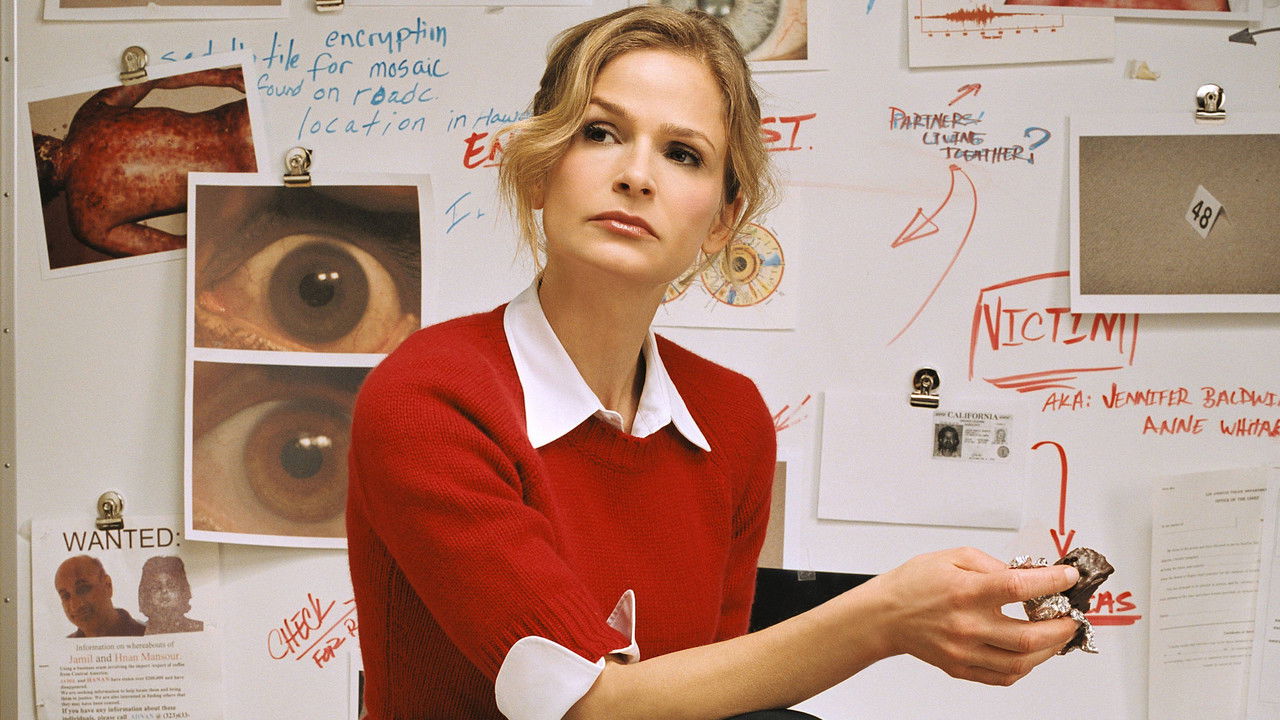
The Ending, Explained
When a crime drama runs its course, audiences often look for closure on the central figure's journey. For this Los Angeles police procedural, the analysis The Closer ending explained focuses on later chapters rather than the opening episodes. Deputy Police Chief Brenda Leigh Johnson, played by Kyra Sedgwick, arrives from Atlanta to lead a sensitive unit inside the LAPD. While we won't revisit how her first days created friction, it is fair to say that her unorthodox personality and razor-sharp questioning become the lens through which the finale operates. The show's tagline promises that they will bring suspects in, but she will make them talk, and that pledge shapes the closing momentum. Throughout the run, the special unit handles sensitive, high-profile murder cases that test every member, yet the final stretch belongs to Brenda's quiet authority. Her southern quirks, which some colleagues mistook for weakness, turn into a negotiating tool that breaks the stubbornest suspects. This is why an ending breakdown must center on transformation of perception rather than on plot twists.
Fans of tough investigative television might also enjoy No Offence, a similarly blunt look at female-led police work in a different city. Both shows share a willingness to let a strong woman ruffle institutional feathers, and both find drama in the interview room more than in the chase.
What Happens
The broad strokes of the conclusion follow the same spine as the premise. Brenda's unit handles high-profile murder cases that demand discretion. As the series progresses, the male cops and fellow investigators who initially resisted her methods gradually acknowledge her results. If you wonder what happens at the end of The Closer, the answer is that the tough critics who once pushed back are won over by her record as one of the world's best interrogators. No single courtroom speech is required; the quiet validation arrives through solved cases and respect earned on the job. The LAPD's trust in her leadership solidifies, and the dynamic within the precinct shifts from skepticism to reliance. That shift is the real event of the final act, because the crimes themselves are solved using the same procedural steps viewers have watched all along. The change is interpersonal, not procedural.
For viewers who like a literary twist on detective work, Strike offers another outside perspective on criminal inquiry, though its setting is far from California streets. It also builds its climax around a patient unraveling of truth.
The Meaning Behind the Ending
Understanding The Closer ending meaning requires looking at the theme of competence versus conformity. Brenda Leigh Johnson is quirky, sometimes abrasive, and unwilling to soften her hard-nosed approach for office politics. The final act confirms that her style is not a flaw but a feature. The LAPD's special unit needed someone who could extract truth where others failed. By the time the last case closes, the narrative has argued that a female cop with an unconventional Southern demeanor can master a male-dominated police investigation environment without abandoning her identity. The meaning extends to the idea that effective crime investigation does not require fitting a uniform mold. Her success is a statement about leadership in Los Angeles, California, where department politics often reward silence over candor. The tagline's second clause, "She'll make you talk," becomes the thesis of the entire arc.
This resolution mirrors the tagline exactly: they bring a suspect in, and her interrogation makes him talk. The meaning is about professional authenticity winning against skepticism, and about a police procedural that trusts character over spectacle.
Themes You Might Have Missed
The section The Closer explained details recurring ideas rooted in the listed keywords. The series is steeped in police procedural tradition, but it layers that with a focus on Los Angeles, California as a backdrop where department politics matter. There is a constant tension between male cop expectations and a female cop breaking the mold. Crime investigation here is less about car chases and more about the room where a suspect breaks. Themes of authority, relocation from Atlanta to LA, and the psychology of confession all sit beneath the surface. The show also quietly examines how a transfer of power within the LAPD forces seasoned officers to reconsider their biases. Even the minor presence of supporting players like Robert Gossett, Tony Denison, and Michael Paul Chan reinforces the ensemble feel of a real precinct. The procedural format becomes a stage for social dynamics as much as for mystery solving.
Another show that explores a lone investigator against a system is Ridley, which also examines how personal method clashes with institutional routine. Viewers who appreciated Brenda's independence may find similar satisfaction there.
The Closer: Our Final Verdict
With a rating of 7.8 out of 10 from 359 votes, the crime drama The Closer 2005 stands as a respected entry in the crime, drama, and mystery categories. The cast includes J.K. Simmons, Corey Reynolds, Robert Gossett, G.W. Bailey, Tony Denison, Michael Paul Chan, and Phillip P. Keene, all supporting Sedgwick's central turn. The show's strength is its commitment to a police procedural that values dialogue and interrogation over spectacle. For streamers who want a mystery with a sharp tongue, this one delivers a satisfying arc. It does not rely on shock endings but on the slow proof that a determined woman can reshape a stubborn unit. The combination of genre polish and character study explains why the series maintains a solid score among voters.
The Closer Overview
To summarize, the series follows Deputy Police Chief Brenda Leigh Johnson as she transfers from Atlanta to LA to head a special LAPD unit for sensitive murder cases. Her quirky personality and hard-nosed approach initially rub colleagues wrong, but her reputation as a top interrogator wins over critics. Genres include crime, drama, and mystery, and the tagline "They'll bring you in. She'll make you talk." captures the tone. Themes of police work, Los Angeles, female cop leadership, and crime investigation run throughout. The ending we discussed reinforces that her methods were always the right fit for the unit. From the first episode to the last, the throughline is consistent: bring them in, and let Brenda make them talk. That simple promise is what anchors the entire watch.