The Bridge (2011): Why the Partnership Outlasts the Case
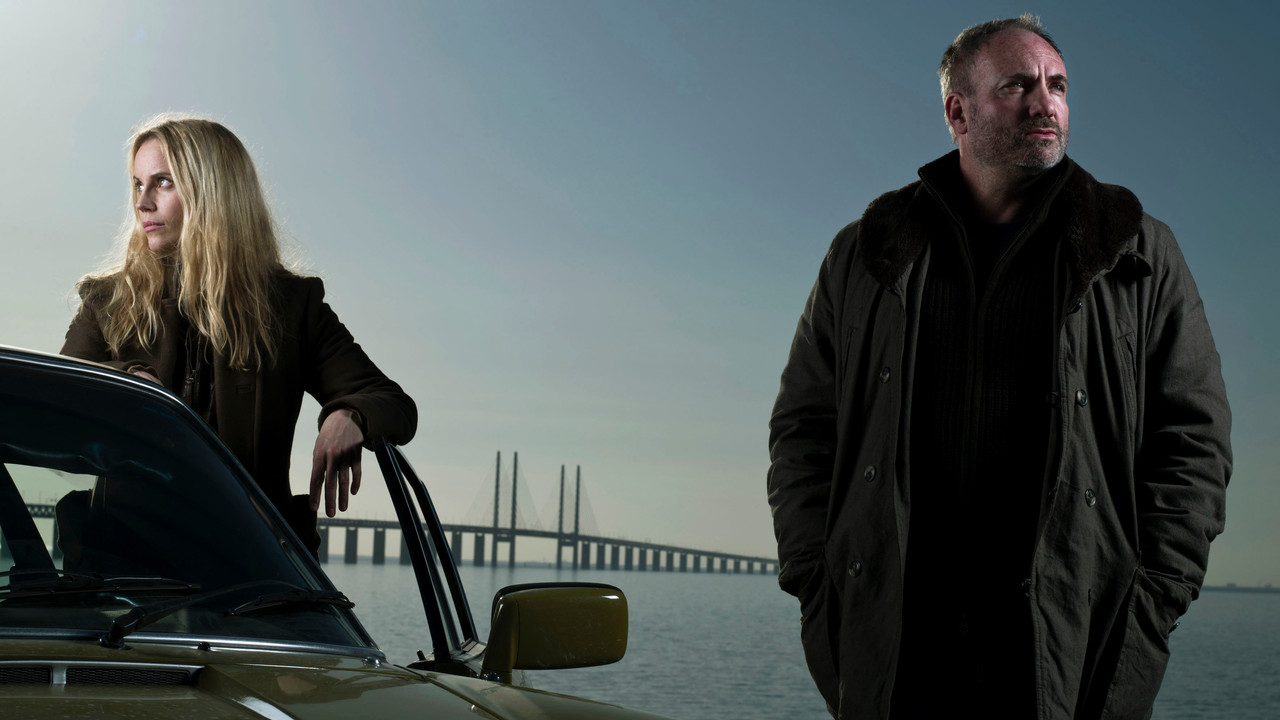
The Bridge (2011) follows Danish inspector Martin Rohde and Swedish detective Saga Norén as they share a cross-border murder case and build an unlikely partnership.
November 28, 2026
The Ending, Explained
There is a moment near the close of The Bridge when the story stops being about a killer and starts being about the two detectives who chased him. The case has pulled Danish inspector Martin Rohde and Swedish investigator Saga Norén across a border that was never meant to hold them apart, and by the time it resolves, the series has something more complicated on its mind than a culprit in handcuffs. For anyone who reached the final episode and felt the ground shift, The Bridge ending explained is less a matter of untangling a twist than of understanding what the partnership cost each of them.
The show doesn't hand you a neat bow. It gives you a solution to the investigation and then asks you to sit with the consequences, which is why the last hour lingers long after the credits.
What Happens
Without giving away the early chapters, the premise is simple enough: a body is discovered exactly on the border between Denmark and Sweden, on the stretch of the Øresund crossing that gives the series its name. Because neither country can claim sole jurisdiction, Martin and Saga are forced into a shared investigation. He is warm, impulsive, and a little messy; she is precise, literal, and reads social cues the way other people read traffic signs. Their friction is the engine of the whole thing.
Over the course of the season, the case grows from a single murder into a sprawling conspiracy with a political edge, and the detectives' personal lives get dragged into the current. By the finale, the investigation reaches its conclusion, but the resolution arrives with a heavy price attached. Characters we've come to care about are left changed, and the professional partnership that anchored every episode is tested in ways that can't be undone by simply closing a file.
If you're the type who likes to compare notes across shows, the tension between two mismatched investigators working a single case echoes what you'll find in Wallander, where a Swedish detective carries the weight of every case home with him.
The Meaning Behind the Ending
So what happens at the end of The Bridge, in emotional terms? The finale refuses to treat the capture of the antagonist as a victory lap. Instead, it asks whether the people who did the catching can go back to who they were before. Martin and Saga each cross a line during the investigation — not the same line, and not in the same direction, but a line all the same. The tagline promises that once you've crossed it, there's no going back, and the closing act makes good on that threat.
The Bridge ending meaning lives in that idea of irreversible change. The show is Scandinavian to its bones, and its nordic noir DNA means the weather, the silences, and the bureaucratic coldness all press down on the characters. But the deeper point is relational: two people who never would have met under ordinary circumstances are bound together by a case that demanded they trust each other. Whether that bond survives is the real question the finale poses, and the answer is deliberately unresolved.
That ambiguity is a feature, not a flaw. A lesser crime drama would tidy everything up and send the detectives back to their desks. This one lets the mess stand.
Themes You Might Have Missed
Beyond the murder mystery, the series is quietly preoccupied with a handful of ideas that reward a second look.
- Borders as constructs. The bridge is a physical structure, but it also stands for the arbitrary lines people draw between nations, institutions, and each other. The killer exploits those divisions, and the detectives have to work around them.
- Neurodivergence and empathy. Saga's blunt, rule-bound way of moving through the world is treated with real care. The show never asks her to become someone else; it asks the people around her to meet her where she is.
- Institutional failure. Police procedure, media pressure, and political optics all shape the investigation. The system isn't a backdrop — it's an active participant in the tragedy.
- Partnership as intimacy. Martin and Saga's relationship is one of the most compelling platonic pairings on television, built on mutual need rather than romance.
The female detective at the center is a big part of why the show resonates. Saga Norén belongs alongside the great small-screen investigators, and if you appreciate that tradition, Beck offers another long-running Swedish take on the genre with a similarly procedural spine.
Should You Press Play on The Bridge?
The Bridge finale recap is easy to write because the episode earns its emotional beats without cheating. The cast does much of the heavy lifting: the lead performances carry scenes that could have tipped into melodrama, and the supporting players keep the world feeling lived-in rather than staged. At just over eight out of ten from viewers, it's clearly connecting with audiences who like their crime drama slow-burning and character-first.
If you want a show that solves its mystery and then keeps going, this is it. If you want tidy closure and a hero who walks away clean, look elsewhere. The series is best approached with patience — the first act builds deliberately, and the payoff depends on you caring about these two people before the plot tightens.
Viewers who enjoy procedurals with a strong central duo might also try Strike, which pairs a detective and his partner in a similarly long-form investigation.
The Bridge in Short
A body on a border. Two detectives who couldn't be more different. One case that refuses to stay solved. The Bridge takes a high-concept hook and turns it into a study of what people owe each other when the stakes are life and death. The ending doesn't flinch from the damage the job leaves behind, and that's exactly why it stays with you. Cross the bridge once, and the show suggests, and you'll see the other side differently.