The Boys (2019): Blue-Collar Vigilantes vs Corrupt Heroes
A gritty group of vigilantes battles corrupt superheroes in this dark sci-fi action series.
October 20, 2026
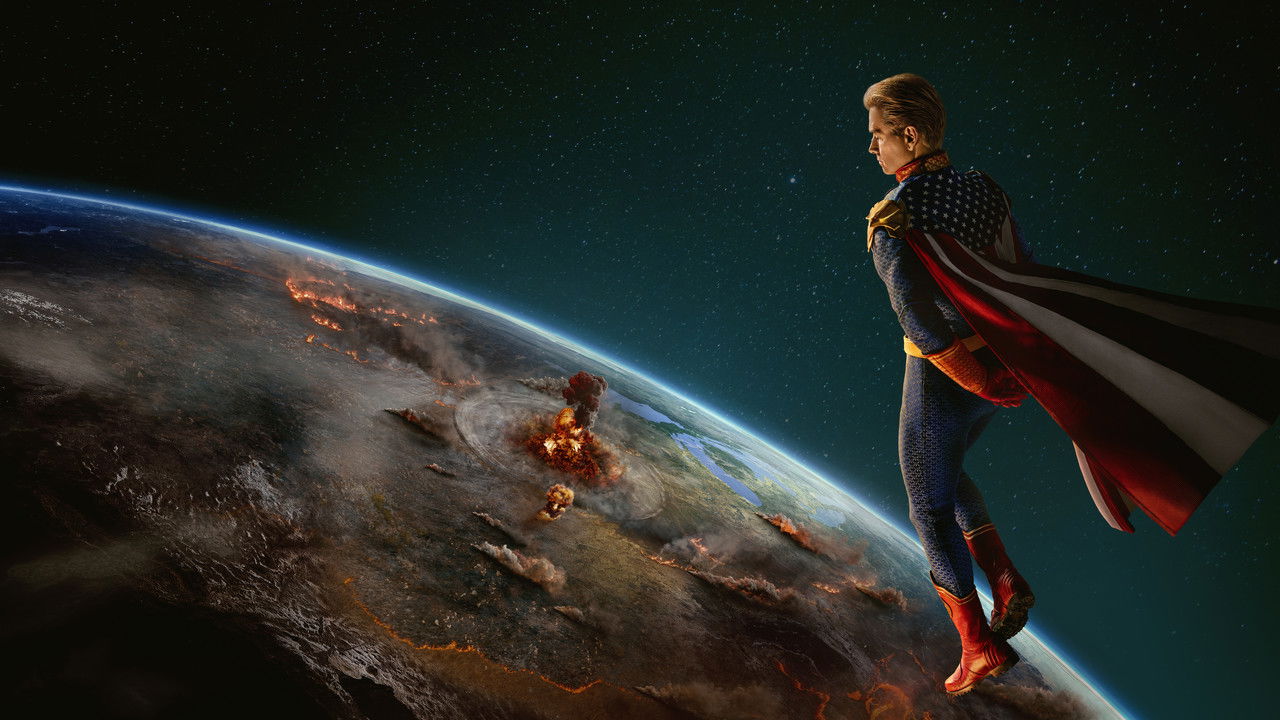
The Ending, Explained
By the time the season closes, the line between hero and villain has all but vanished. Heroes once felt like a show about people learning to be good with their gifts, but this series takes the opposite route. The Boys ending explained is less about resolving a mystery and more about showing how far ordinary people will go once they decide the system cannot be fixed any other way.
The finale does not offer comfort. Instead, it leaves the vigilante group fractured yet still standing, while the corrupted superhero team and the evil corporation behind them tighten their grip. What matters is not who wins a single fight, but what the last episode tells us about power that goes unchecked.
What Happens
Without spoiling the early setup, the back half of the season pushes the civilian crew into a corner. They started with little more than grit and a willingness to fight dirty, and by the end they are forced to make choices that stain them as much as the celebrities they hunt.
What happens at the end of The Boys is a series of brutal confrontations where allegiance means nothing. A few characters who seemed sympathetic reveal uglier sides, and the super-powered figures protected by publicity prove willing to sacrifice anyone. The final act is loud, bloody, and darkly funny in the way only this kind of satire can be.
The last minutes do not wrap things in a bow. The corruption remains, the tragedy deepens, and the audience is left knowing the war is far from over.
The Meaning Behind the Ending
The Boys ending meaning is tied to the idea that moral high ground is a luxury when the opponent controls the story. The corporation sells heroism like a product, and the people who resist become monsters in the public eye no matter what they do. That inversion is the point.
The ending suggests that fighting evil with the same cruelty does not cleanse you. It changes you. The show uses gore and humor to make that truth land, but underneath the violence is a quiet grief for everyone caught in the machine.
Themes You Might Have Missed
On the surface this is a superhero story turned inside out, but The Boys explained properly is about how institutions launder brutality through image. The misandry and gender politics in the room often distract from a simpler message: every side is compromised.
There is also a thread about tragedy as routine. Death is not treated as sacred; it is content. The evil corporation treats carnage as a PR opportunity, and even the vigilantes learn to use shock as a tool. That normalization of violence is one of the bleakest notes in the whole run.
Fans of older genre shows might enjoy comparing tones with Black Lightning, which also centers powered individuals inside a broken system but keeps a cleaner moral line.
Our Rating for The Boys
With an audience score of 8.424 out of 10 across more than thirteen thousand votes, the reception speaks for itself. We would place it in the upper tier of modern superhero satire, though it is not for viewers who want tidy justice.
The acting from Karl Urban, Jack Quaid, Antony Starr, and Erin Moriarty carries the grim material, and the supporting cast keeps the chaos believable. If you can handle the blood and the cynicism, it is a wild, hilarious, and upsetting ride.
The Boys Summary
A blue-collar crew of nobodies decides the manufactured heroes above them are beyond saving, and they set out to bring them down through any means necessary. Based on a comic, the show uses super power as a mirror for corruption rather than a cure.
For those mapping the arc, a useful The Boys season 1 finale breakdown shows how the last episode sets up a longer war: the superhero team is exposed but not defeated, the company adapts, and the Boys are changed by what they did. It is less a conclusion than a warning.
If you want a very different take on teams with abilities, You and Idol Precure offers a lighter contrast that makes the darkness here easier to appreciate. Both prove the range of what the genre can do.
Ultimately, the series earns its tagline: never meet your heroes. By the finale, you understand the ones you were sold were never heroes at all.