The Body (2026): A Halloween Initiation Gone Wrong
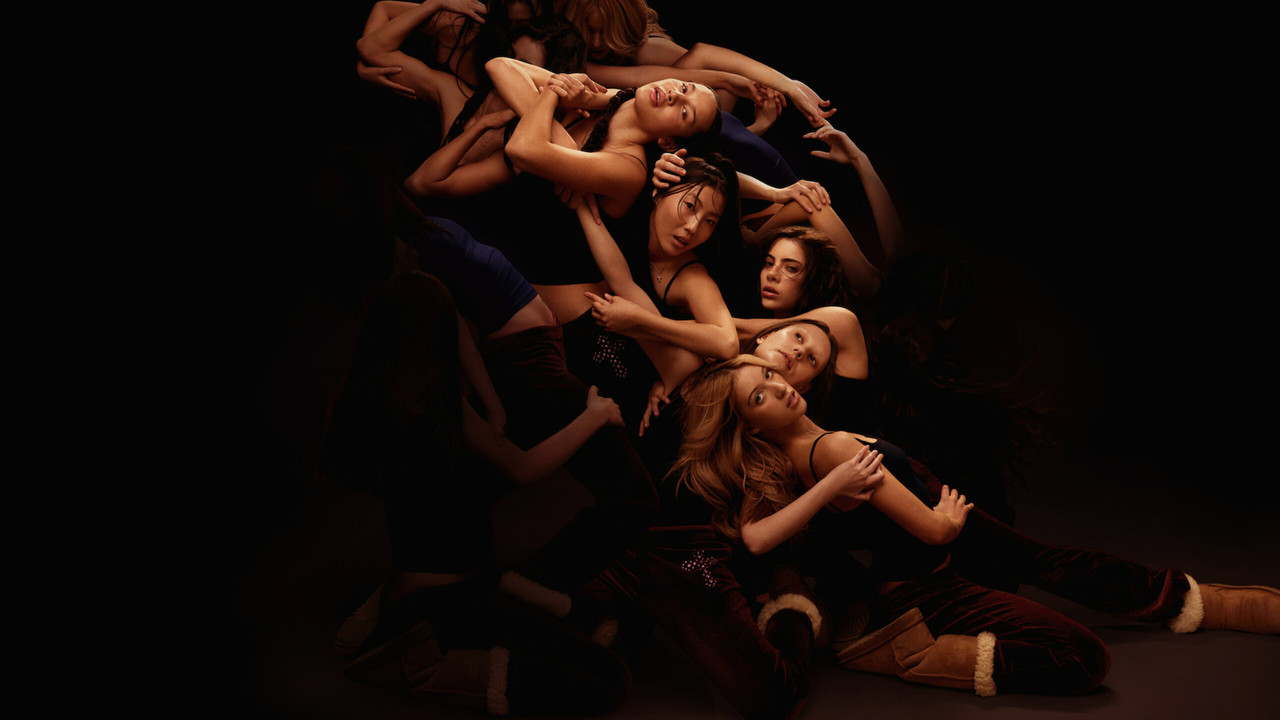
The Body (2026) follows an all-girls dance squad whose Halloween initiation spirals into Catholic guilt, unholy desires, and ghostly visions.
November 27, 2026
The Ending, Explained
There is a moment near the close of The Body where the noise finally stops — the praying, the screaming, the whispered accusations — and what's left is a group of girls standing in the wreckage of a night that was supposed to bond them together. If you're searching for The Body ending explained, the short version is this: the film resists the tidy horror-movie payoff. The initiation ritual that kicks the story into gear doesn't end with a monster defeated or a villain unmasked. It ends with the squad forced to look at each other honestly for the first time, and that honesty is far more frightening to them than any ghost.
What makes the final stretch work is that the supernatural elements recede just enough to let the emotional stakes take over. The visions that have been haunting the girls don't vanish — they simply stop being the point. The real haunting turns out to be the guilt they've been carrying all along.
What Happens
Without giving away the first act, the broad shape of the story is worth laying out for anyone who wants to understand where the film is heading. On Halloween night, an all-girls dance squad gets pulled into an initiation that goes badly wrong. What starts as a ritual meant to prove loyalty turns into something darker, dragging Catholic guilt, buried desire, and ghostly visions into the open. The small-town setting does a lot of quiet work here — everyone knows everyone, and that closeness makes secrets impossible to keep.
By the time the final act arrives, the squad is fracturing. Friendships that seemed solid earlier are revealed to be built on things left unsaid. The ritual's consequences manifest less as a haunting and more as mass hysteria, with the girls feeding each other's fear until nobody can tell what's real. If you want to know what happens at the end of The Body, the answer is less about a single event and more about a collapse — of the group's shared fiction, of the performances they've been giving each other, and of the closet doors some of them have been holding shut.
The Meaning Behind the Ending
The final scene is where the film's intentions become clearest. The girls are not saved by an outside force, and they don't save each other through some grand heroic gesture either. Instead, the ending asks them — and us — to sit with the mess. The ghost story was never really about a ghost. It was about the way shame can take on a life of its own in a place where faith and fear are tangled together.
The The Body ending meaning hinges on that interpretation: the ritual didn't summon anything new, it simply exposed what was already there. Catholic school imagery runs throughout, and the ending leans into it — confession, penance, and the idea that guilt must be spoken aloud before it can lose its grip. For the characters wrestling with their sexuality, the closing moments suggest that secrecy is its own kind of haunting. Once the truth is out, the visions lose their power, but the relationships don't automatically heal. That ambivalence is deliberate.
Viewers who go looking for The Body 2026 ending answers expecting a twist may be surprised by how restrained it is. The film trusts its audience to connect the dots rather than spelling everything out.
Themes You Might Have Missed
The most obvious thread is the coming-of-age arc, but it's worth noting how tightly it's braided with the religious imagery. The initiation ritual mirrors a sacrament in structure while inverting its purpose — instead of cleansing, it implicates. The mass hysteria that spreads through the group is less a supernatural plague than a portrait of how quickly fear travels through a community that prizes conformity.
Female friendship sits at the center of everything. The squad is a family, a pressure cooker, and a mirror all at once. And the in-closet storyline is handled without metaphor overload — the secrecy is real, the stakes are social as much as spiritual, and the ending respects that the hardest confession is often the one you make to the people you love most. Fans of ensemble-driven teen storytelling might also enjoy Blood & Water, which digs into similar territory around identity and loyalty among young women.
There's also a strong current of small-town claustrophobia running beneath the surface. Every character is known, watched, and judged, which makes the ritual feel less like a choice and more like an inevitability. If that texture appeals to you, That '70s Show plays a very different genre but nails the same sense of a tight-knit community where nobody can hide. And for another take on ritual and power inside an insular group, The Order is a natural next watch.
Our Take on The Body
This is a film that rewards patience. Its 8.0 rating across a modest number of votes suggests a small but genuinely engaged audience — the kind of viewers who like their horror served with emotional weight rather than jump scares alone. The cast, including Kristina Bogic, Geena Meszaros, Sara Boustany, Nnamdi Asomugha, Louisa Krause, Shirley Chen, Jackson Kelly, and Sofia Wylie, carries the ensemble dynamic without letting any single performance dominate.
Where the film could frustrate some is in its refusal to over-explain. Audiences conditioned by franchise horror might want a clearer villain and a tidier resolution. But the The Body explained plainly is a film about what happens when a community's unspoken rules finally break — and that's a scarier premise than most ghost stories manage.
The Body Recap
So to pull it together: an all-girls dance squad, a Halloween initiation gone wrong, Catholic guilt, ghostly visions, and a small town where secrets don't hold. The ending doesn't hand you a monster; it hands you a reckoning. The visions fade once the truth comes out, but the relationships don't reset to zero, and that's the point. It's a mystery wrapped in a drama, with a tagline — "They pray hard and sin harder" — that captures its tone better than any summary could.
If that sounds like your kind of slow-burn, character-first genre piece, it's well worth a watch. Just don't expect the ending to comfort you. It's not supposed to.