The Bill (1984): Daily Life and Crime at Sun Hill
The Bill (1984) is a groundbreaking series following Sun Hill Police Station officers as they handle London crime and personal lives.
October 30, 2026
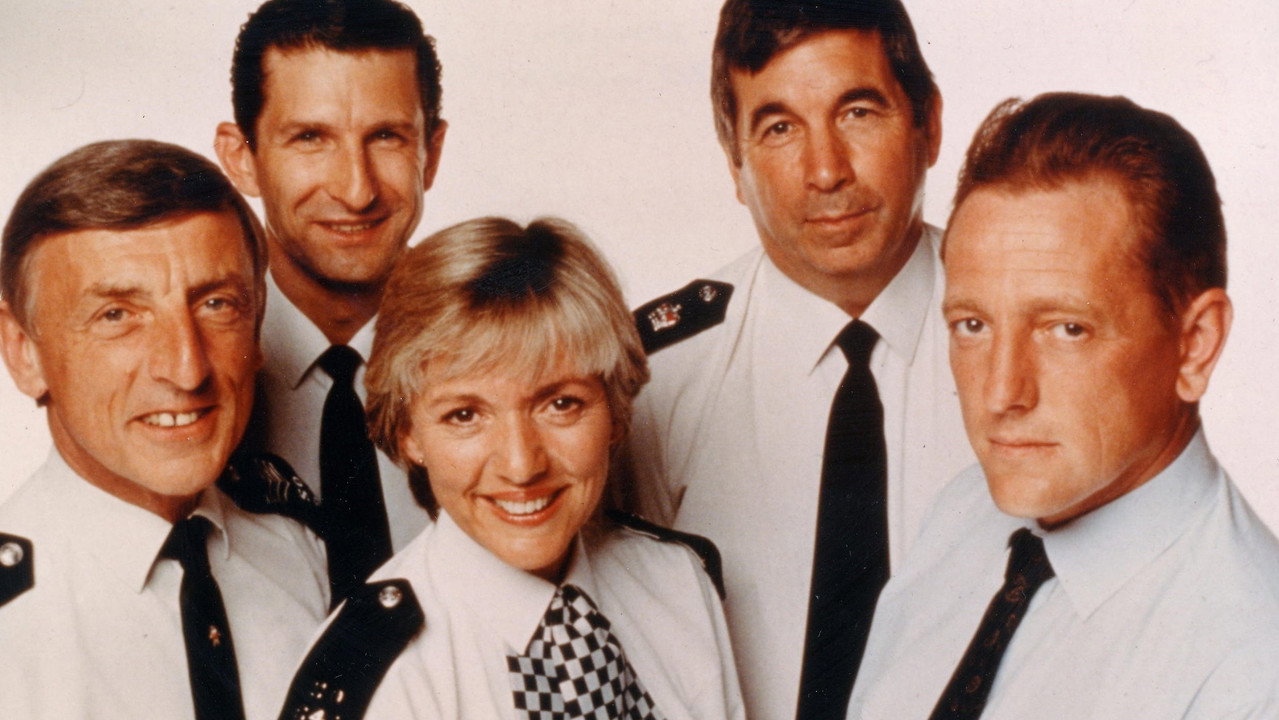
The Ending, Explained
Viewers reaching the later chapters often look for The Bill ending explained to understand the closure. The series, centered on the men and women at Sun Hill Police Station, never leaned on a lone twist. Its finale honors the original promise to show daily life as much as crime. Without spoiling early acts, we can note that the last stretch keeps the focus on personal lives alongside police duties.
The ground-breaking format treated bomb threats, armed robbery, and drug raids as threads in a larger tapestry. The ending tightens those threads rather than cutting them. Sarah Manners, Andrew Lancel, Alex Walkinshaw, Amita Dhiri, Ben Richards, Bruce Byron, Chris Simmons, and Christopher Fox each reflect the routine demands of policing London, England.
The daily lives of the men and women at Sun Hill involve more than uniforms and callouts. The series grounds its final act in the personal lives of its characters, whether that means strained family goodbyes or quiet moments in the locker room. This balance is why the show remains ground-breaking.
What satisfies is the lack of a tidy reset. The Bill suggests police work continues beyond the screen. That perspective rewards fans who value character over shock.
What Happens
A frequent question is what happens end of The Bill when someone joins late. The answer is not a hidden plot but a continuation: the station faces fresh incidents while officers handle private matters. From armed standoffs to quiet paperwork after a drug raid, the rhythm stays distinctive.
The cast navigates emergencies and ordinary moments. Writing keeps London, England as more than backdrop. Closing chapters present cases that test the team, yet the emotional core remains bonds between colleagues. This makes the finale feel earned.
Routine demands of policing—report writing, supervision, community walks—occupy as much screen time as explosions. That choice defines what happens end of The Bill and separates it from superficial procedurals.
Because the show was ground-breaking, some expect a radical shift. Instead, later episodes double down on realism. The men and women at Sun Hill meet the same pressures that opened their tenure.
The Meaning Behind the Ending
To grasp The Bill ending meaning, recall the premise of daily lives fighting crime on London streets. The conclusion shows personal sacrifice shaping professional choice. The meaning rests in accepting justice as process, not verdict.
The run balanced bomb threats with routine policing. The final act mirrors that, suggesting heroism includes listening to a partner as much as defusing a crisis. That symmetry gives weight to last episodes.
Another layer of The Bill ending meaning involves setting. London, England appears as living environment where crime and community intersect. Closure asks viewers to see unseen labor behind every siren.
Themes You Might Have Missed
Beyond cases, The Bill explained needs attention to subtle motifs. Emphasis on personal lives means small gestures carry weight equal to a drug raid. The show trusts audiences to find drama in mundane.
Ensemble police fans may like Hill Street Blues, which also blended procedural and character depth. Both treat the station as city microcosm.
Another missed theme is time. The cast list, from Sarah Manners to Christopher Fox, shows rotating officers whose exits mirror real careers. This quiet comment on memory is easy to overlook amid weekly cases.
The keywords london, england, police are not just tags but narrative anchors. The city's weather, streets, and neighborhoods shape every decision. By weaving these elements into both crime and calm, the show achieves a rare authenticity.
The series avoids romanticizing violence. Armed robbery and bomb threats show lingering consequences, reinforcing human cost. That restraint defines its realistic crime drama.
Should You Press Play on The Bill?
If you appreciate The Bill 1984 crime storytelling prioritizing atmosphere, press play. The rating of 6.847/10 from 49 votes signals a dedicated niche. Strength lies in accumulated small moments, not a single hook.
For a more action-led counterpart, T. J. Hooker offers contrast while The Bill stays rooted in routine policing. The difference helps new viewers choose mood.
The Bill 1984 crime drama also benefits from a stacked ensemble. Each actor brings texture to the station house, making even a slow shift compelling. That human investment is the true draw.
Absence of flashy twist should not deter. The ground-breaking series rewards patience, revealing texture of life at Sun Hill. Whether starting at begin or sampling final era, blend of crime and character stays consistent.
The Bill Quick Facts
Quick reference: the program is Crime and Drama, plotting daily lives of men and women at Sun Hill Police Station fighting crime on London streets. Keywords include london, england, police.
Those who prefer rural investigation can explore Midsomer Murders, which moves setting from capital but keeps procedural structure. The link is for further streaming site browsing.
- Title: The Bill (1984)
- Genres: Crime, Drama
- Rating: 6.847/10 (49 votes)
- Setting: London, England, Sun Hill Police Station
- Cast: Sarah Manners, Andrew Lancel, Alex Walkinshaw, Amita Dhiri, Ben Richards, Bruce Byron, Chris Simmons, Christopher Fox
The mix of bomb threats, armed robbery, drug raids, and routine policing paints comprehensive portrait of metropolitan law enforcement. Its ground-breaking approach keeps it relevant for substantive viewing.